





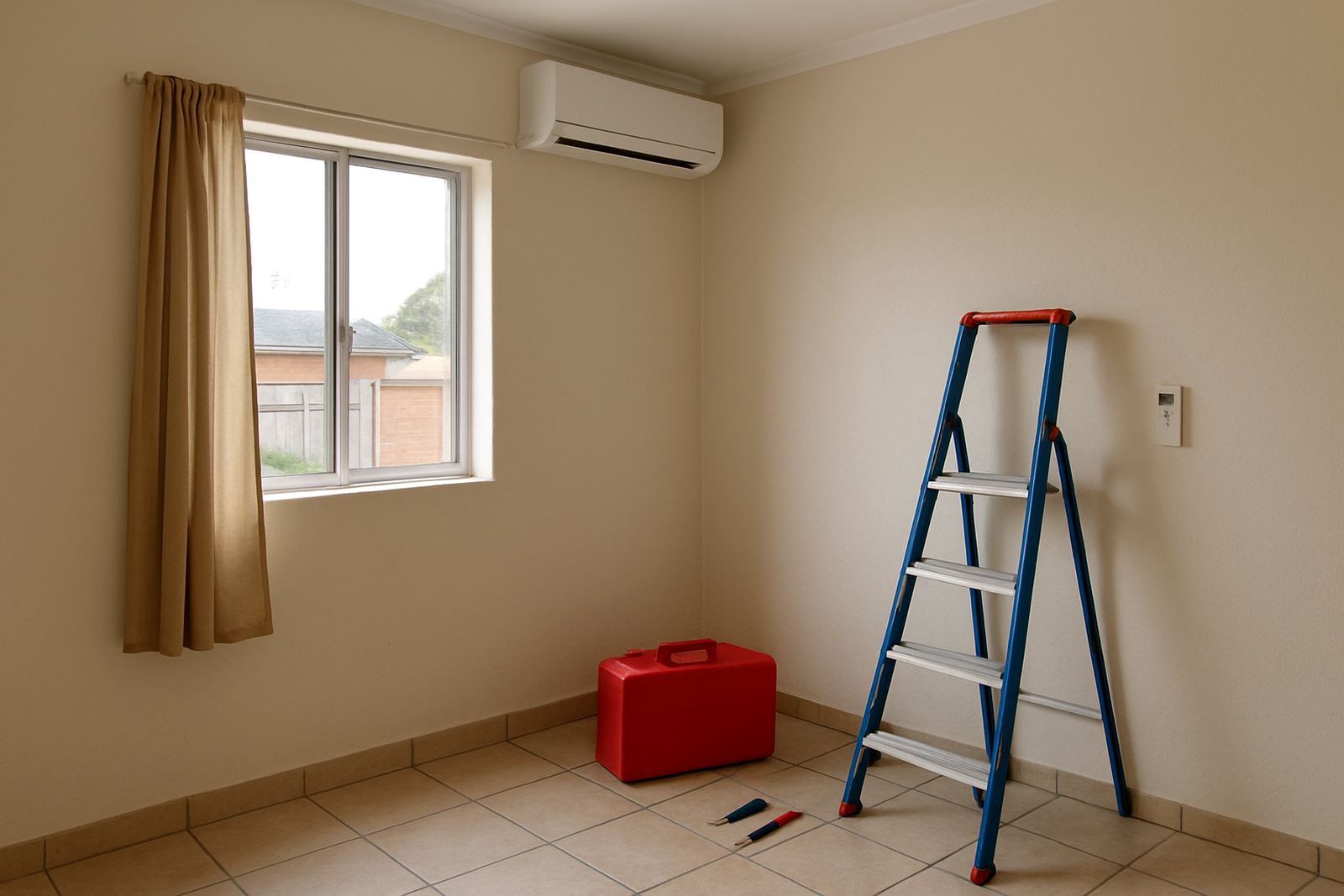

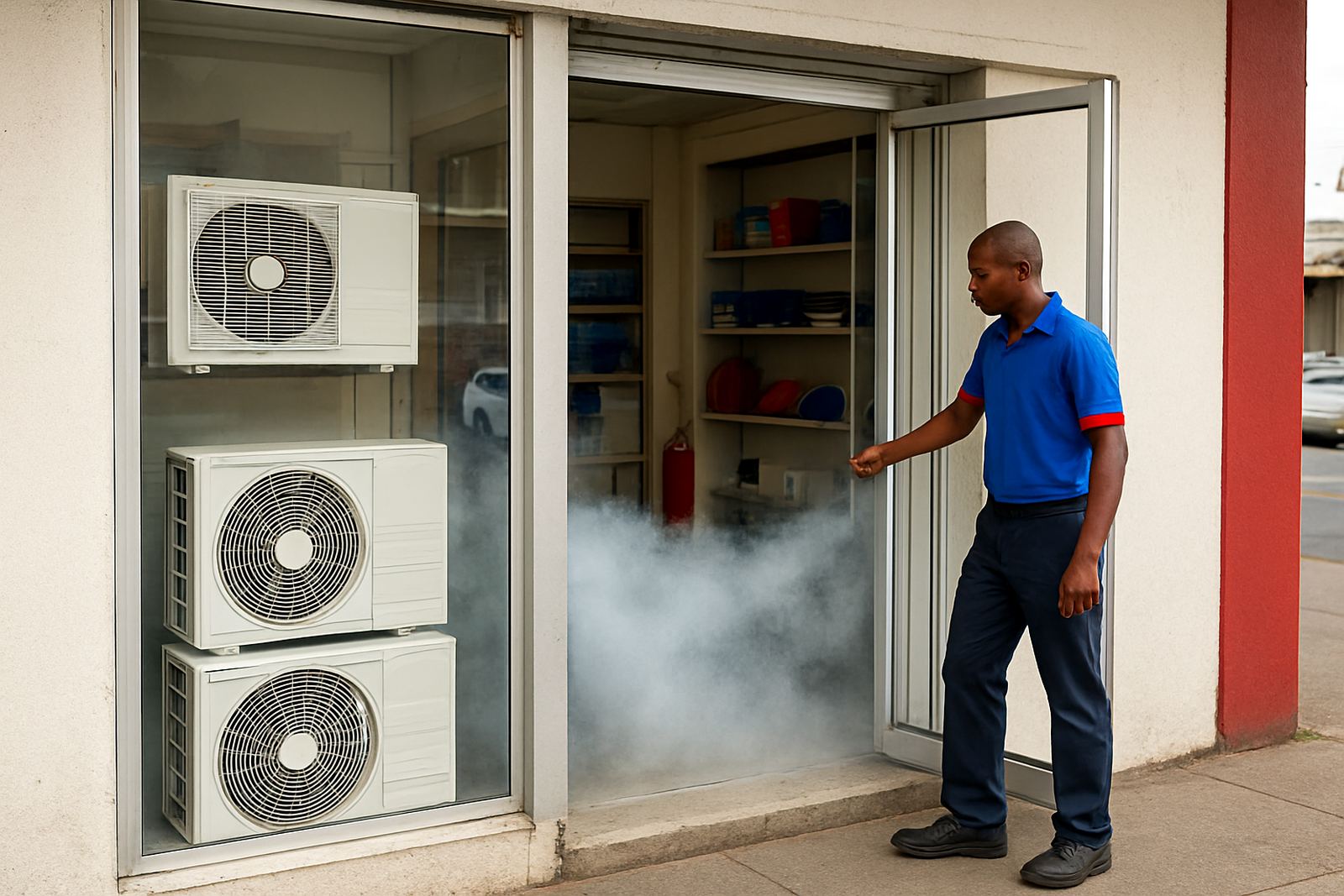
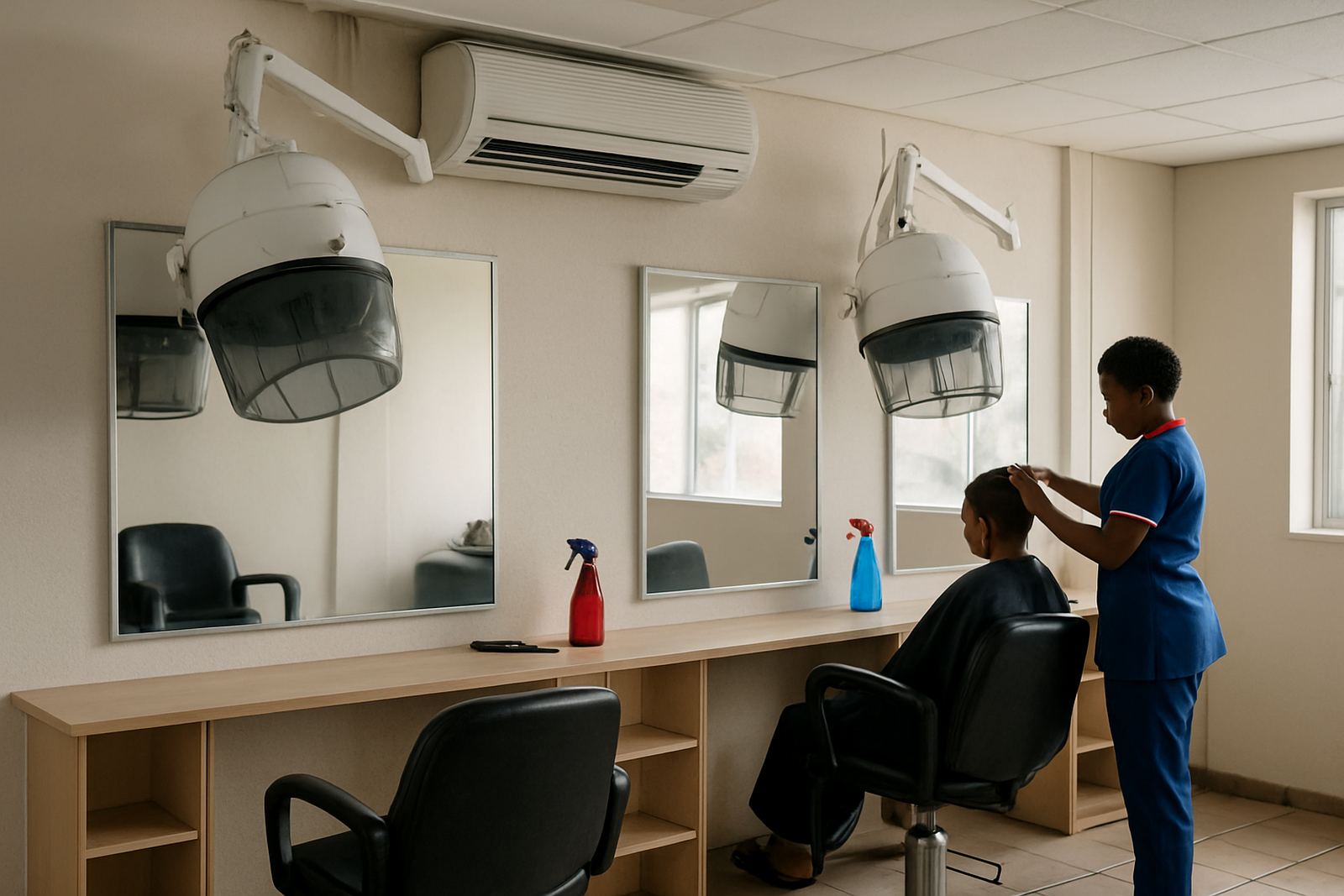
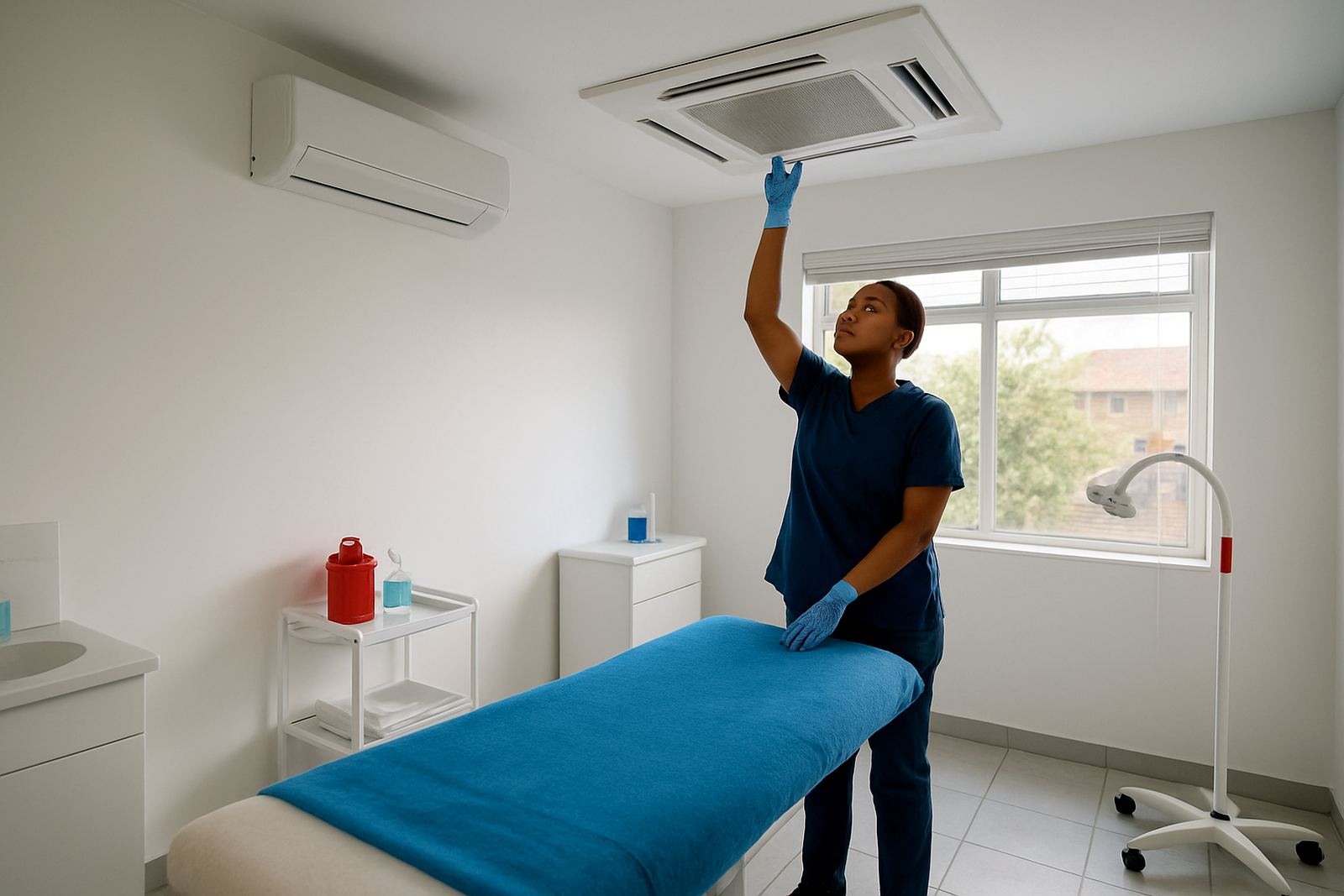



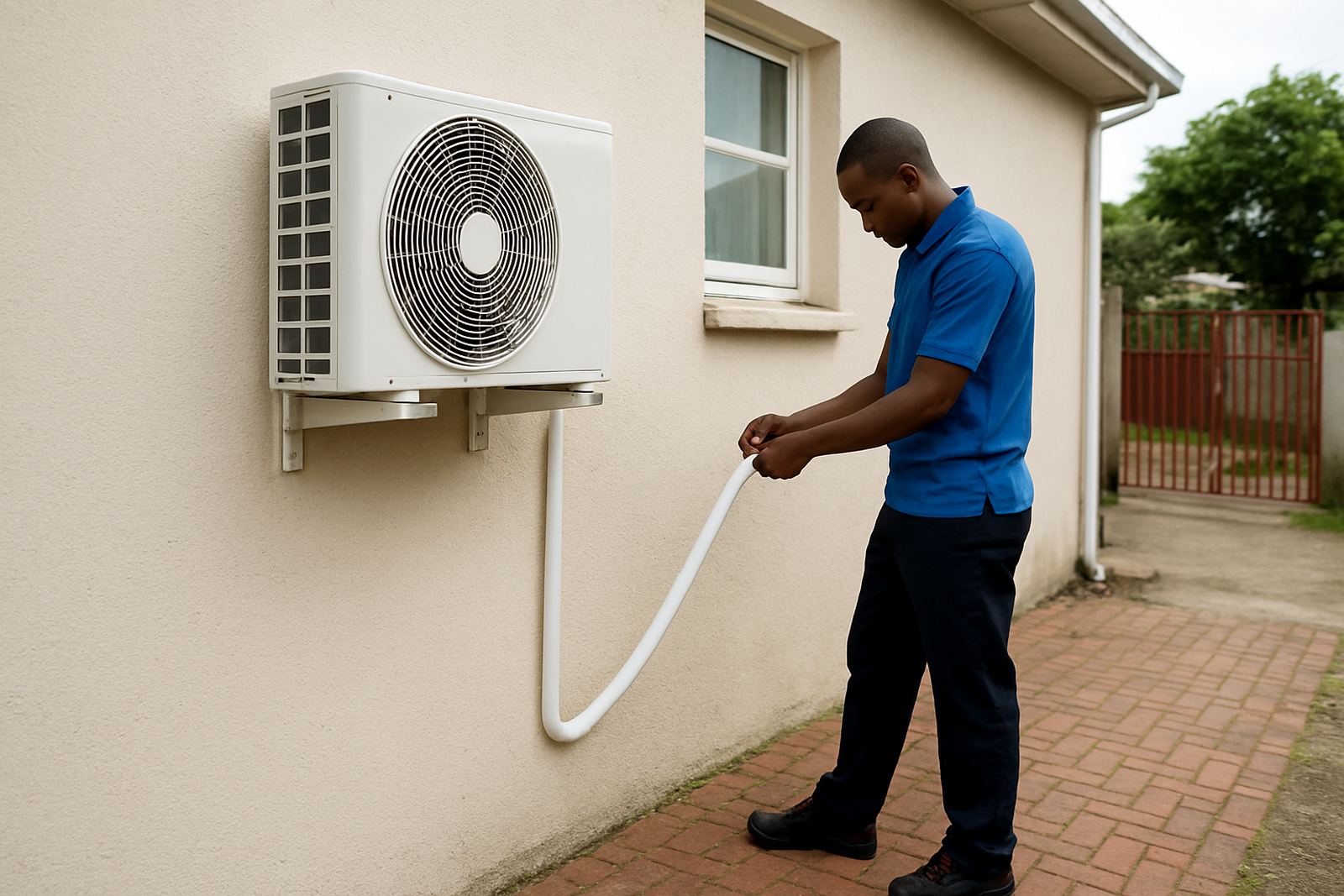
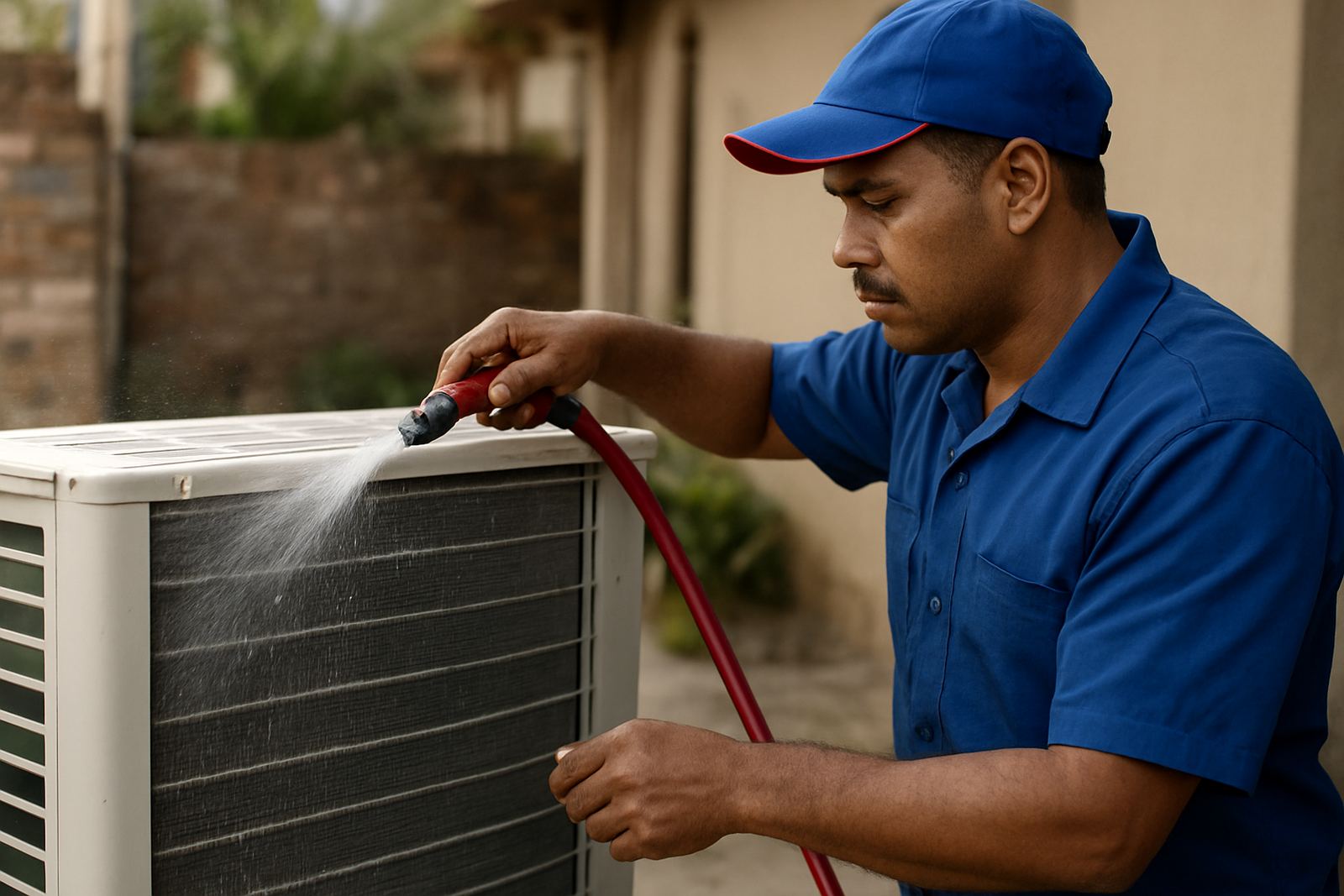
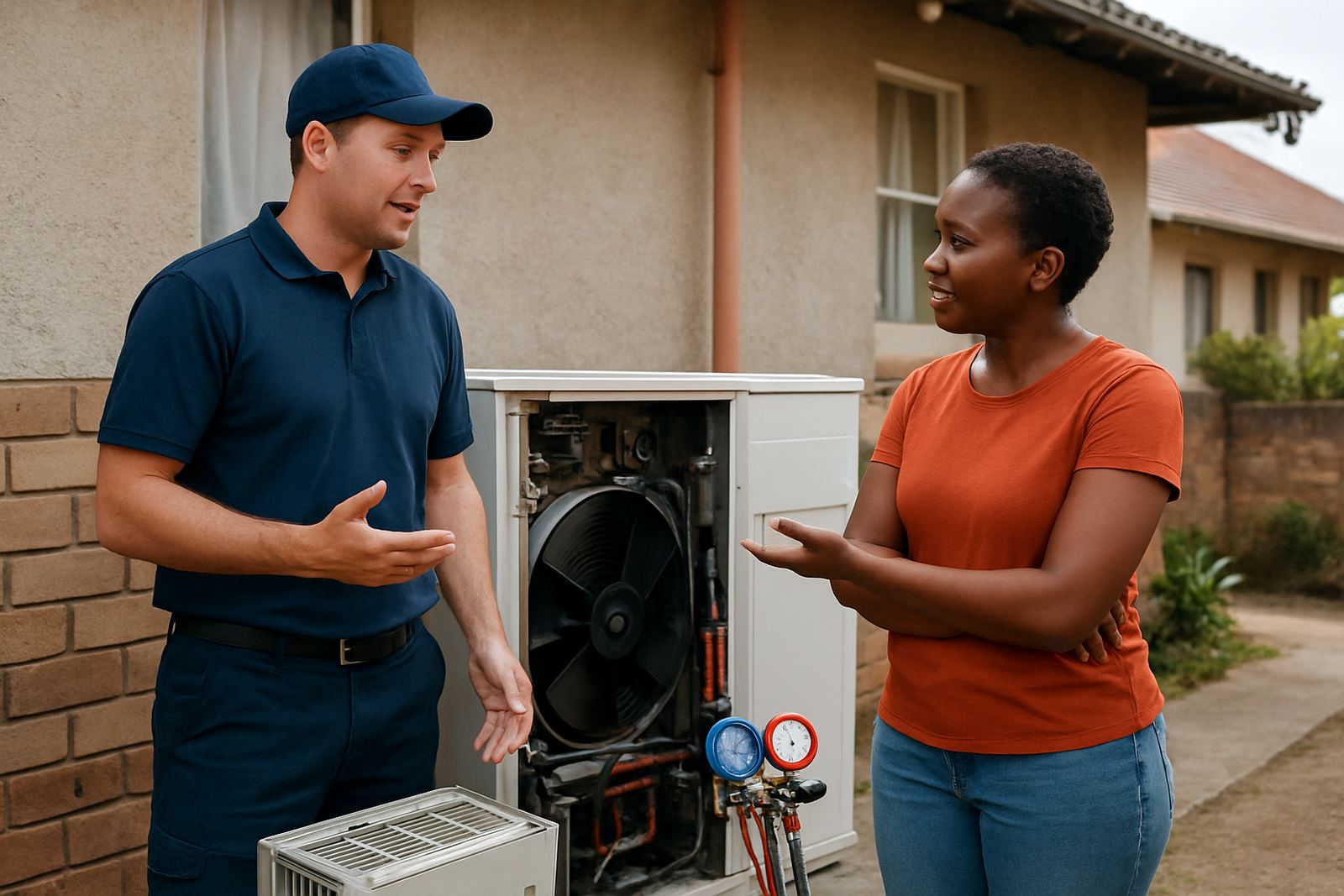
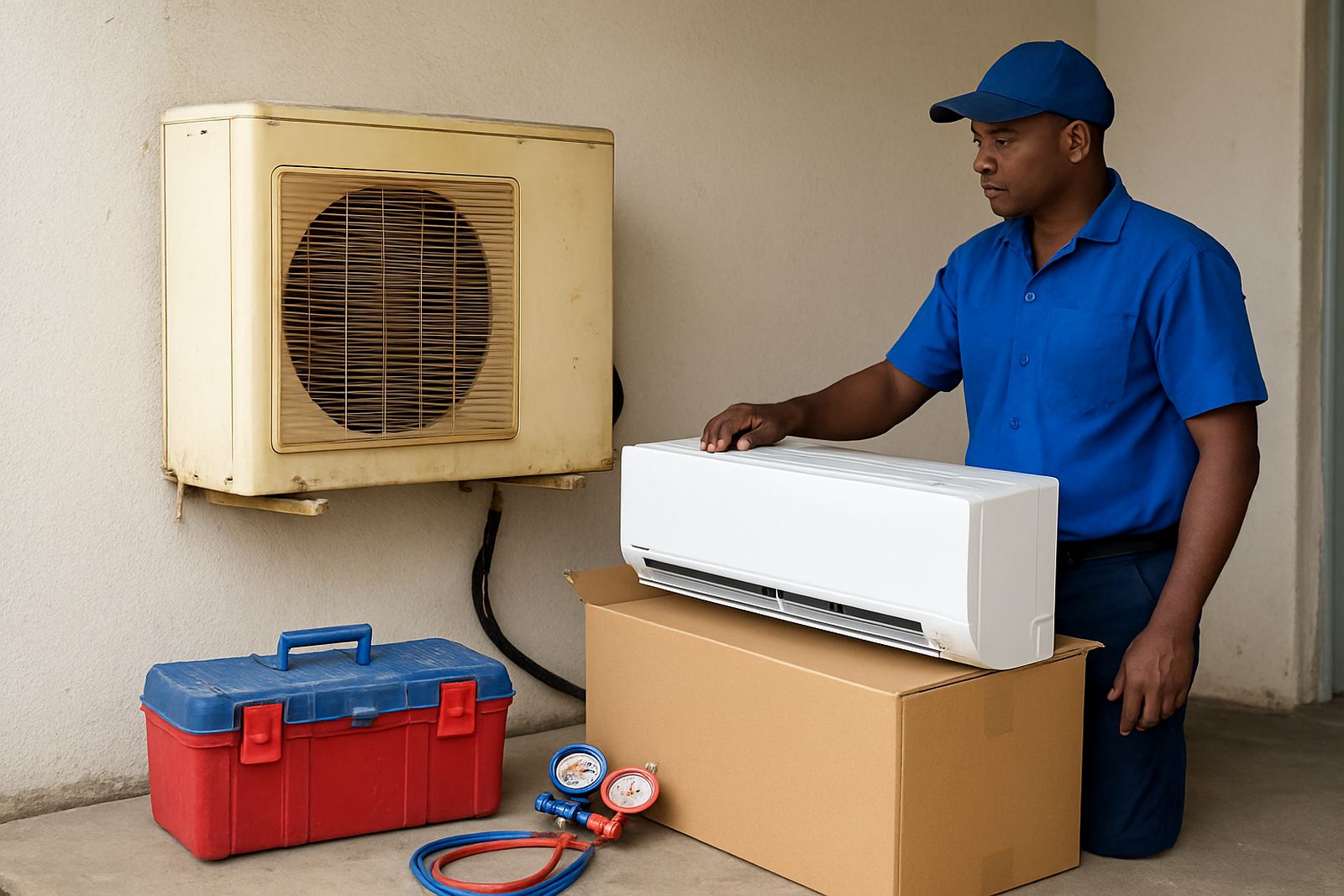



What you will find in Depot News
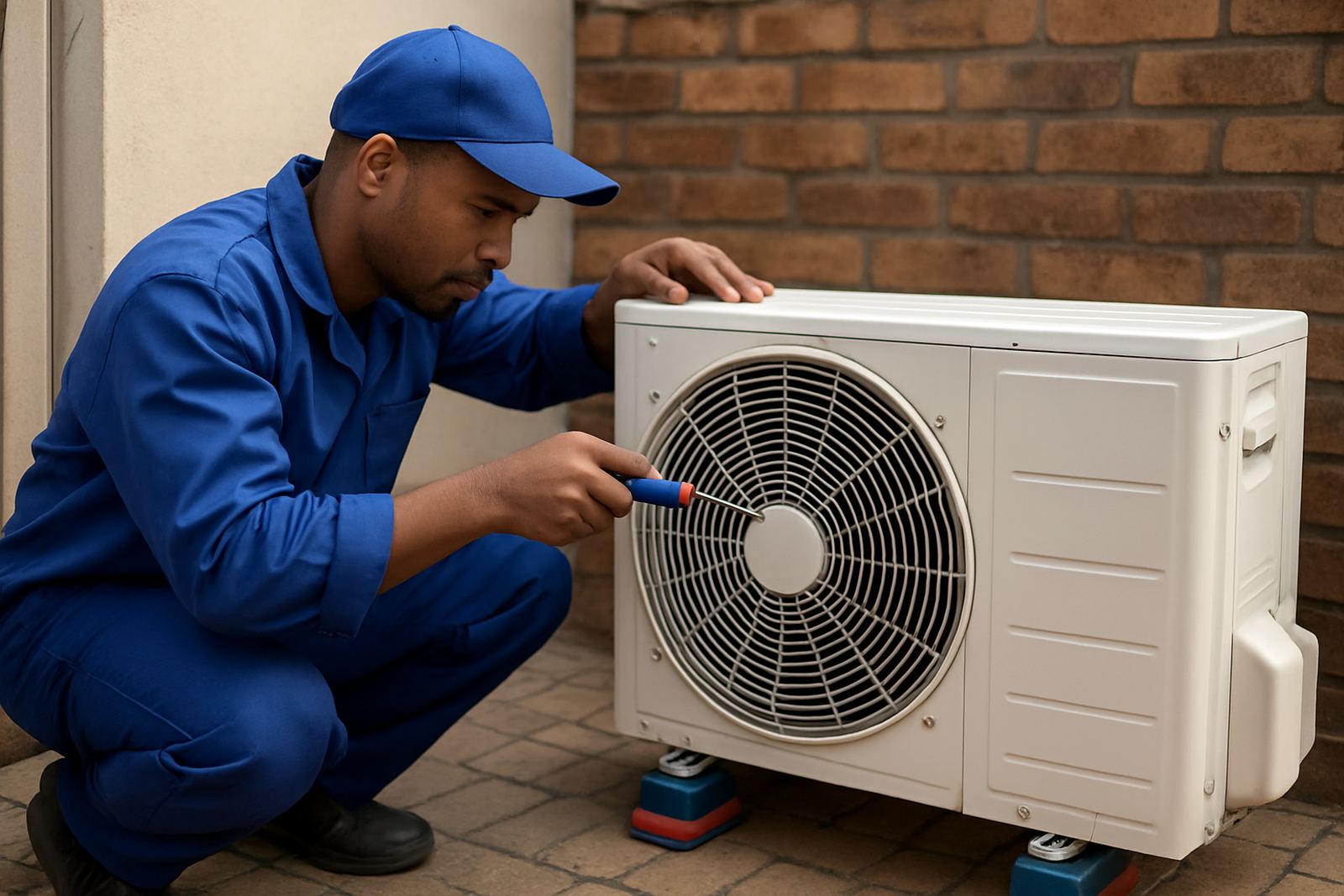
These editorial pages are written for everyday use, not theory. You will find answers on common faults, when to call for a technician, how often to service a unit, and what to expect from domestic and commercial air-conditioning in Durban conditions. We also cover spares, gas, installation choices and simple steps that help equipment last longer near the coast.
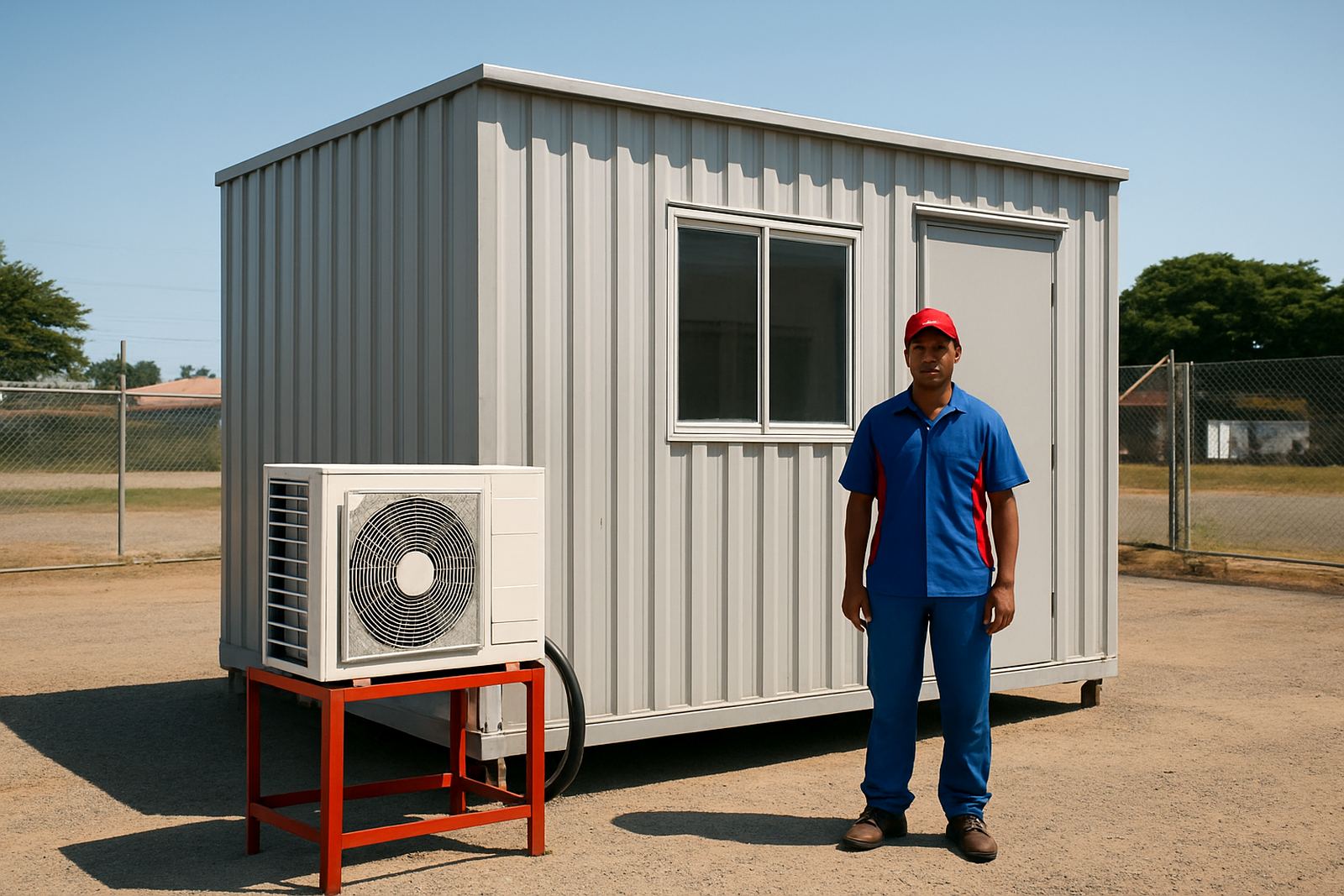
The range is broad because no two properties need the same solution. A flat in Durban Central, a takeaway in South Durban and a warehouse office in Clairwood all place different demands on airflow, pipe runs, drainage and power use. The articles help you narrow the field before you ask for a quote or book a site visit.
How to choose the right article for your problem
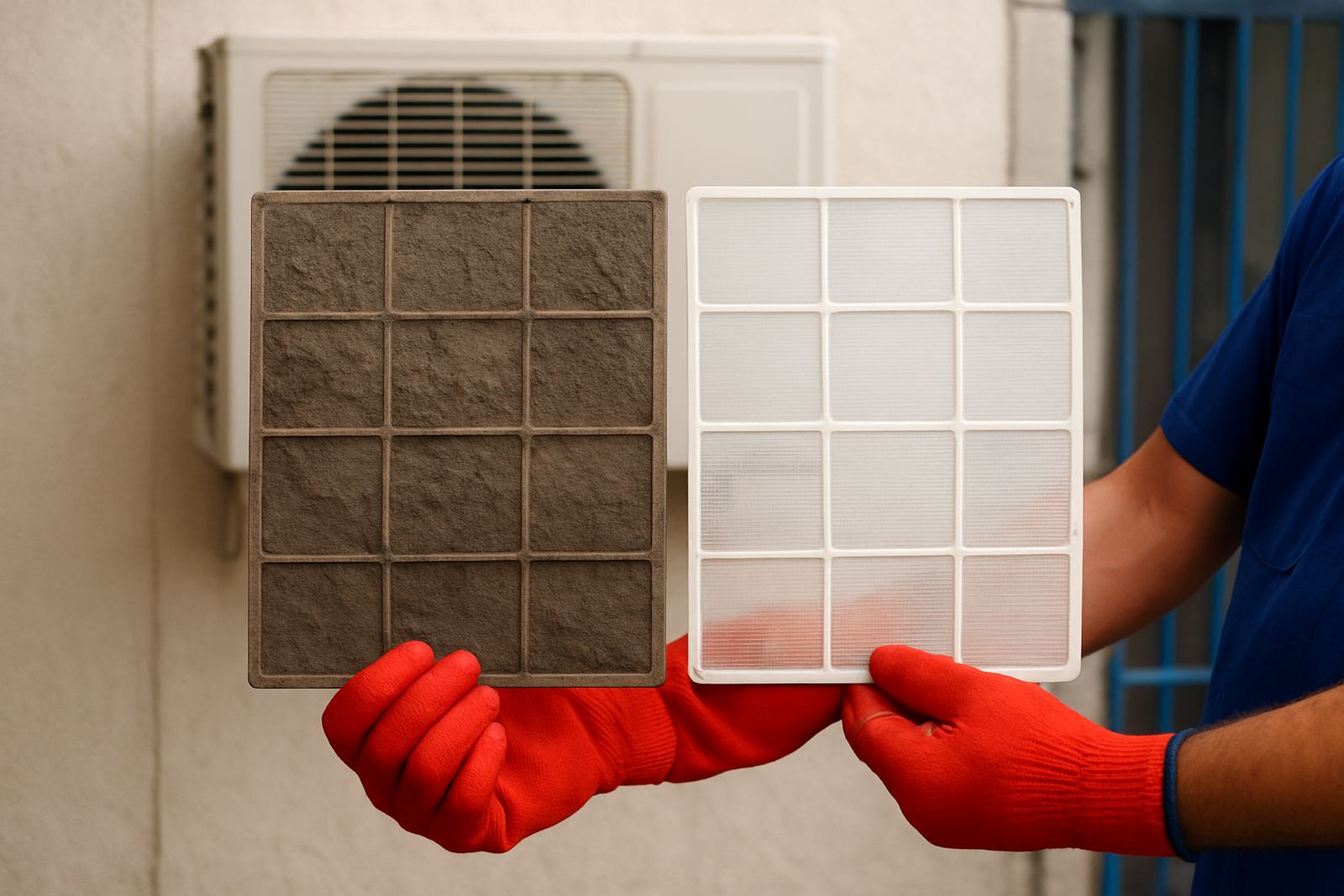
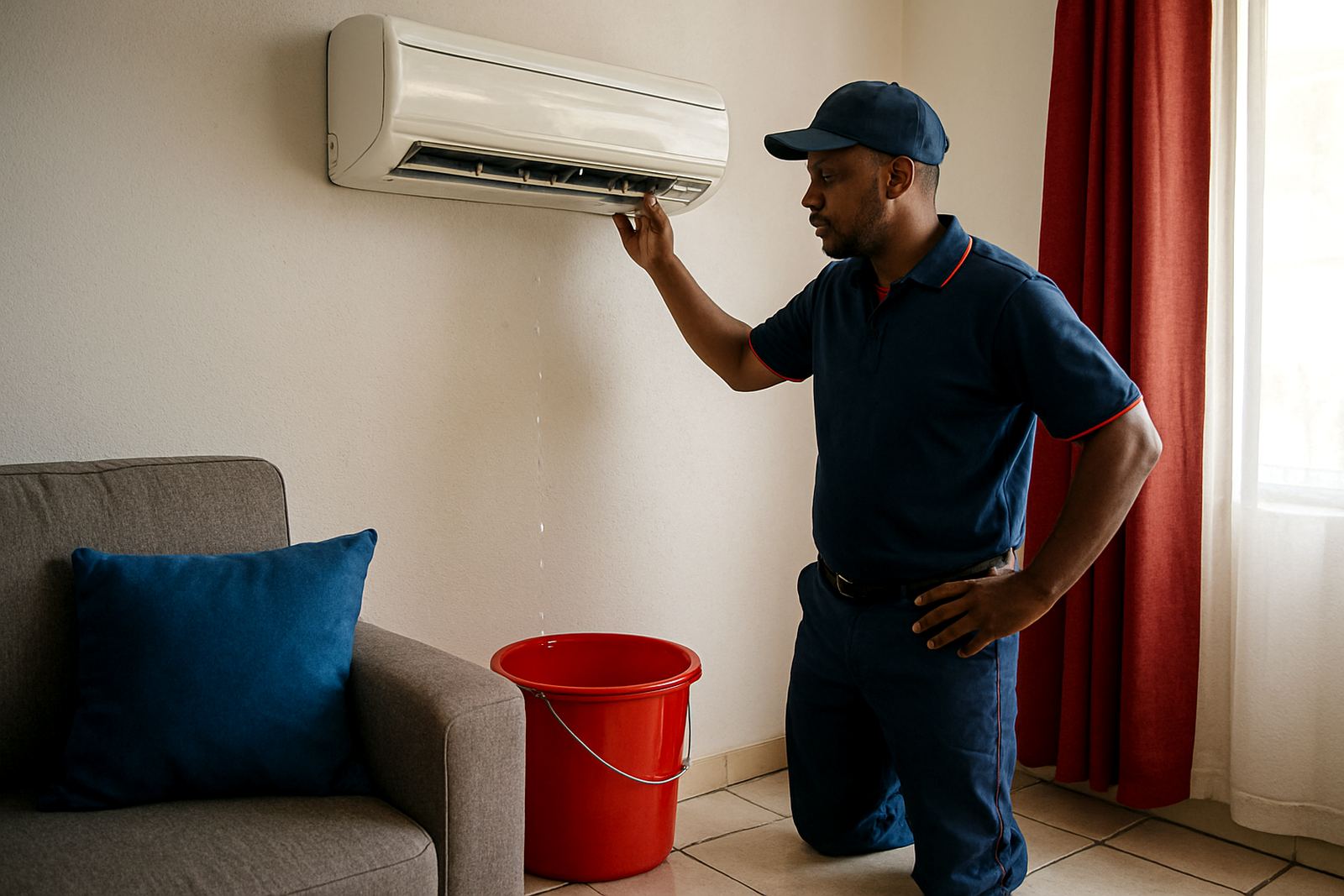
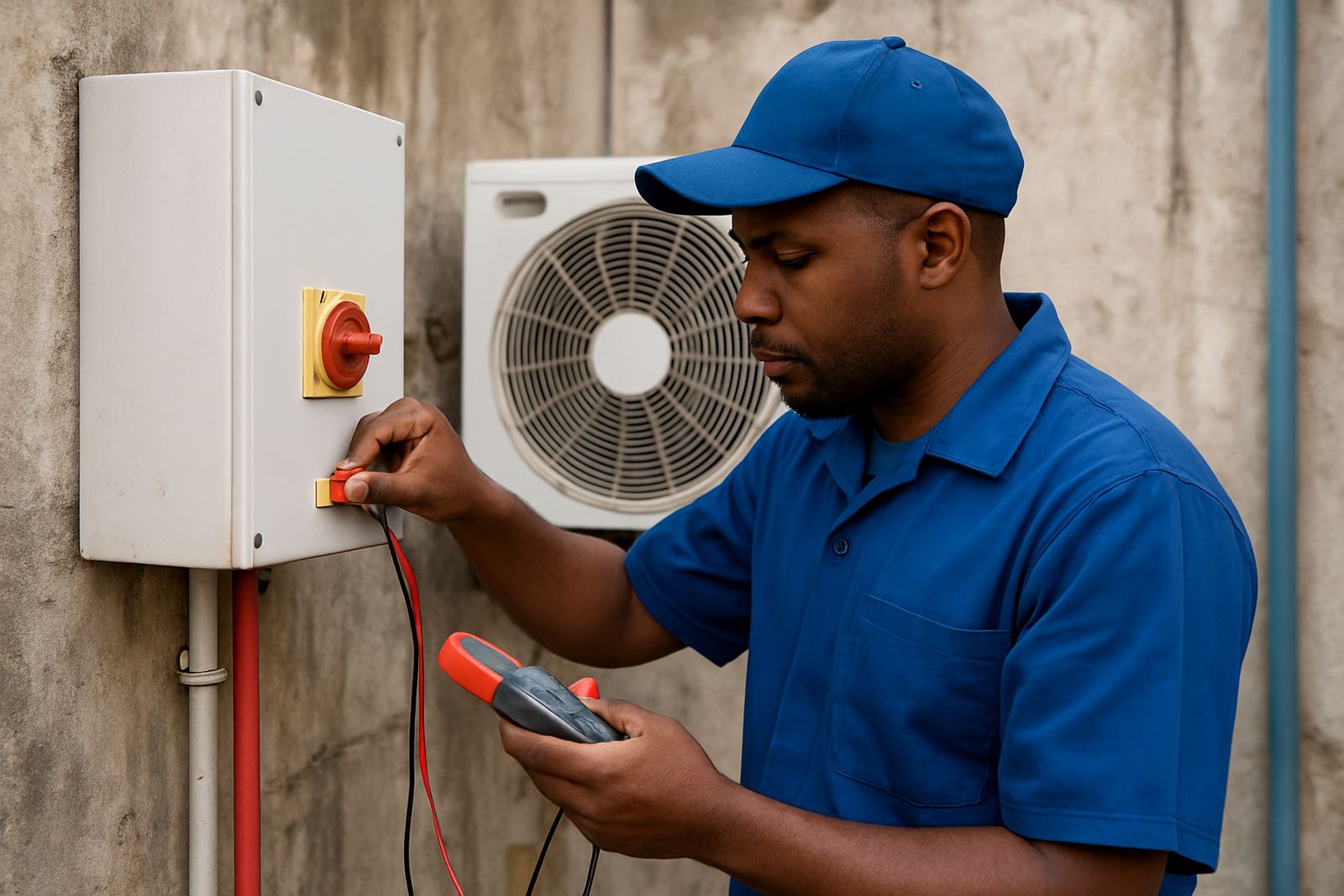
Start with the symptom, then work backwards. If a unit is not cooling, look at gas loss, dirty filters, blocked coils or a failed capacitor. If water is dripping indoors, the issue may be a drain blockage, poor fall on the drain line or a deep clean that was left too long. If the system trips when power returns, the controls or compressor may need a closer check.
- Low cooling after load-shedding can point to weak capacitors or a tired compressor.
- Musty smells often mean the indoor unit needs a deep clean service.
- Frequent on and off cycling can be linked to controls, sensors or incorrect sizing.
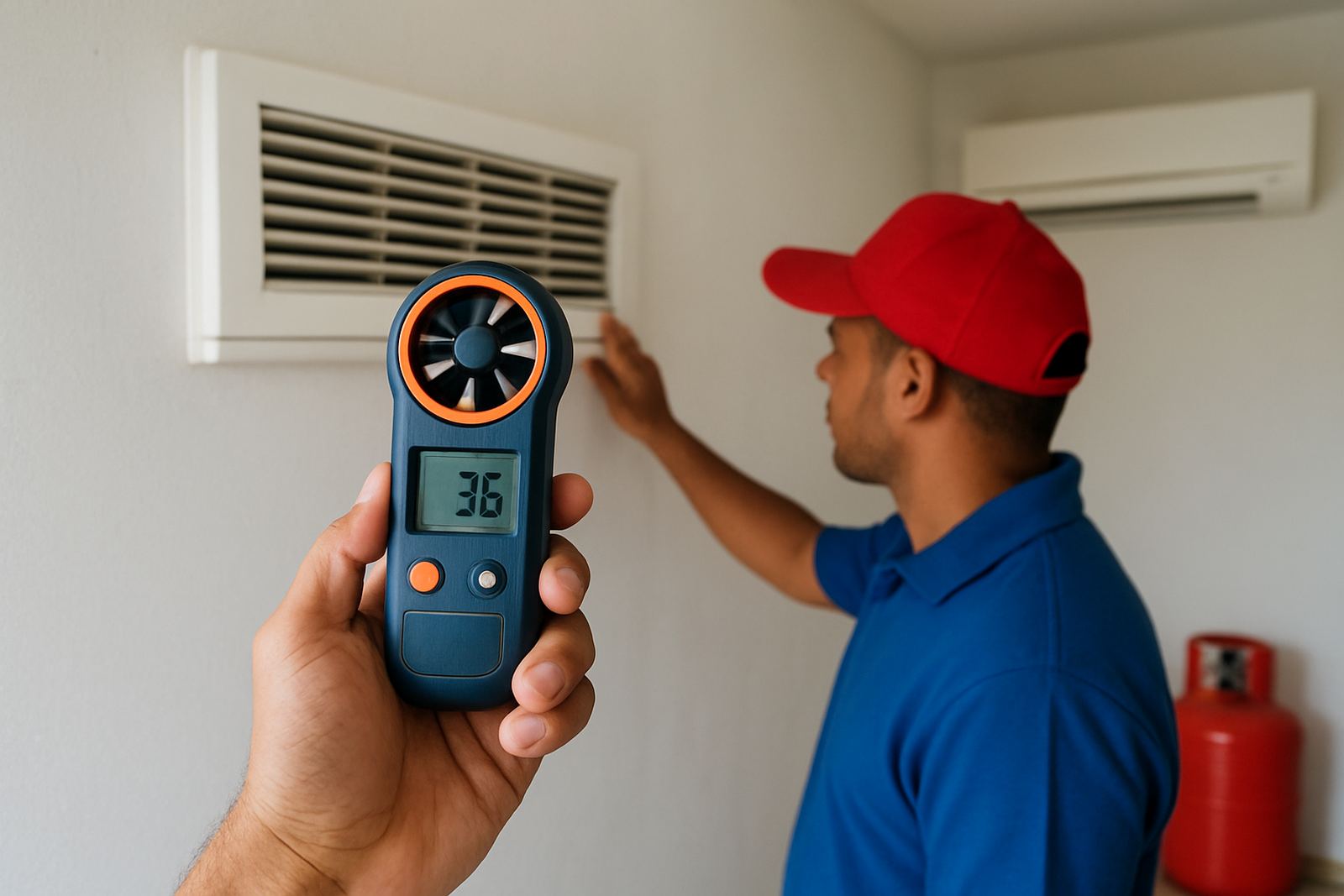
- Warm air from the vents can be a gas issue, a blocked filter, or a fan motor fault.
Durban weather and why it changes the advice
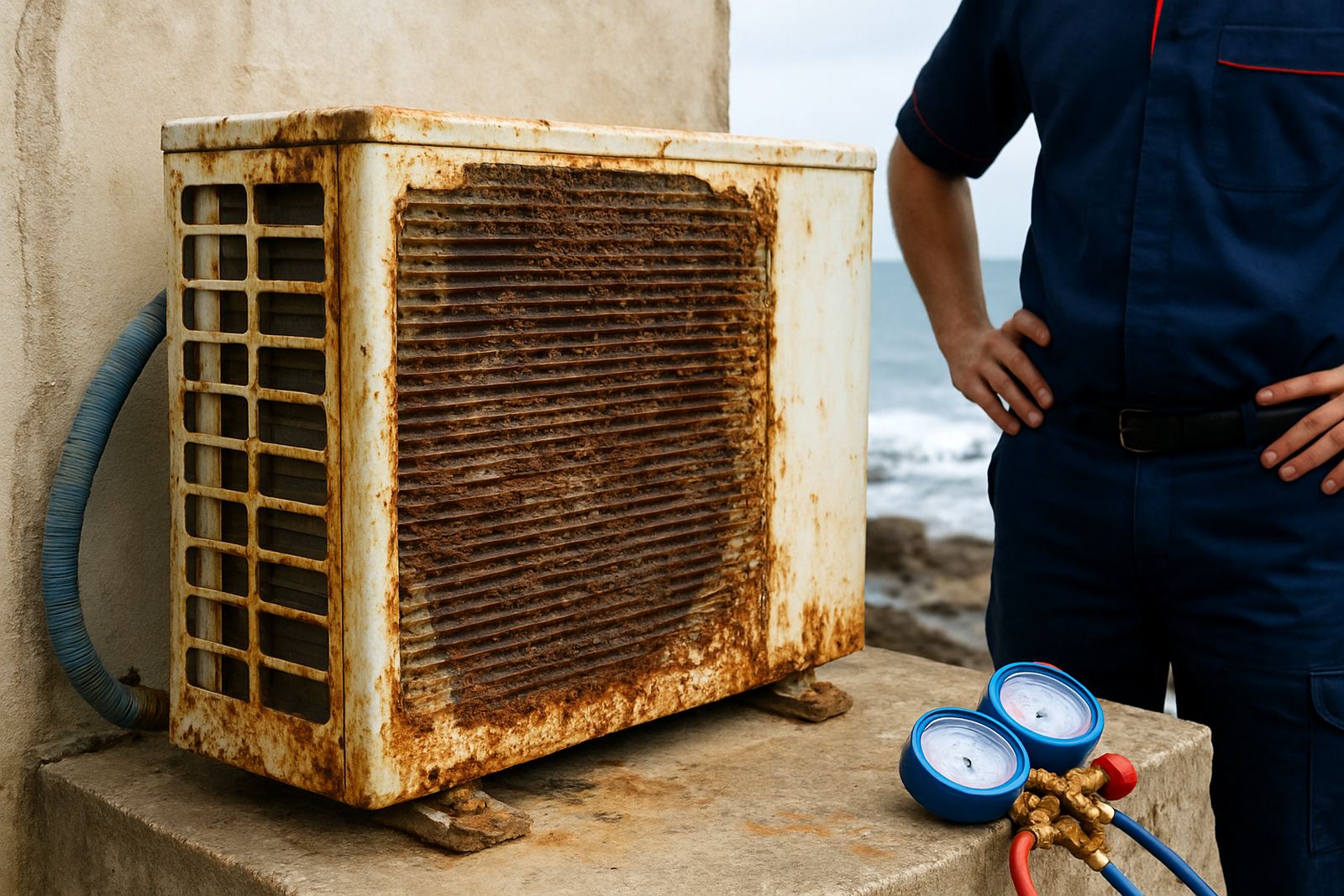
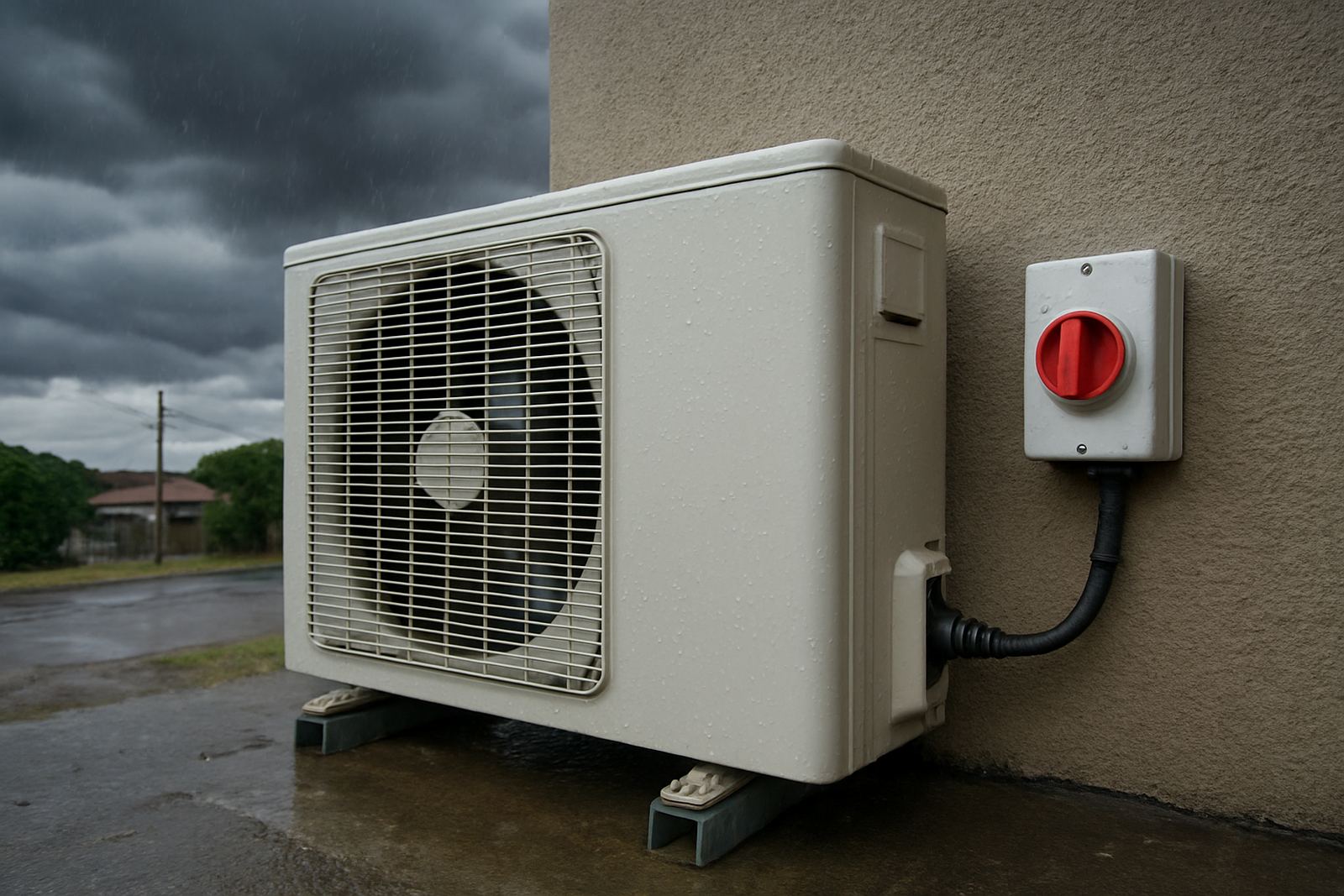
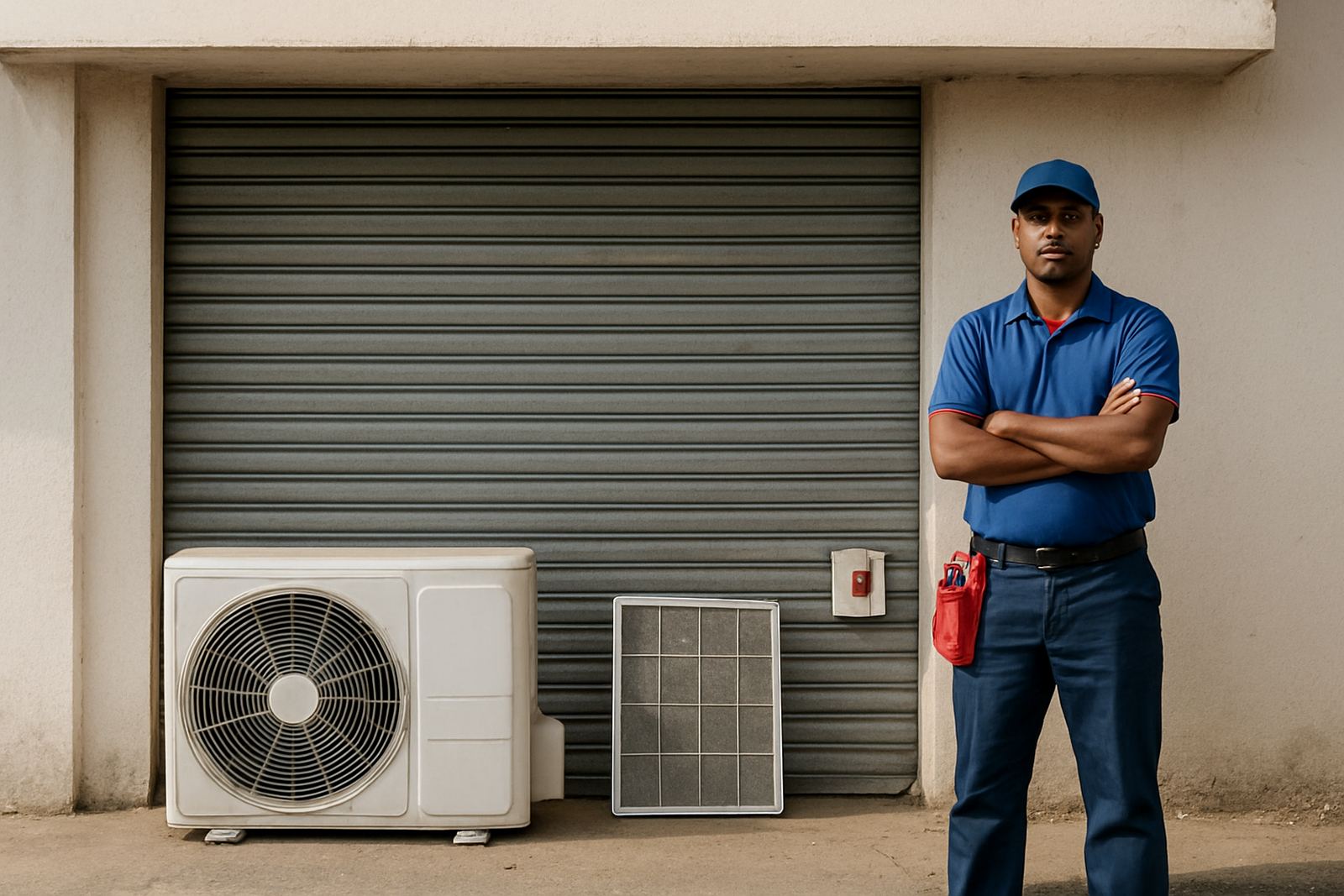
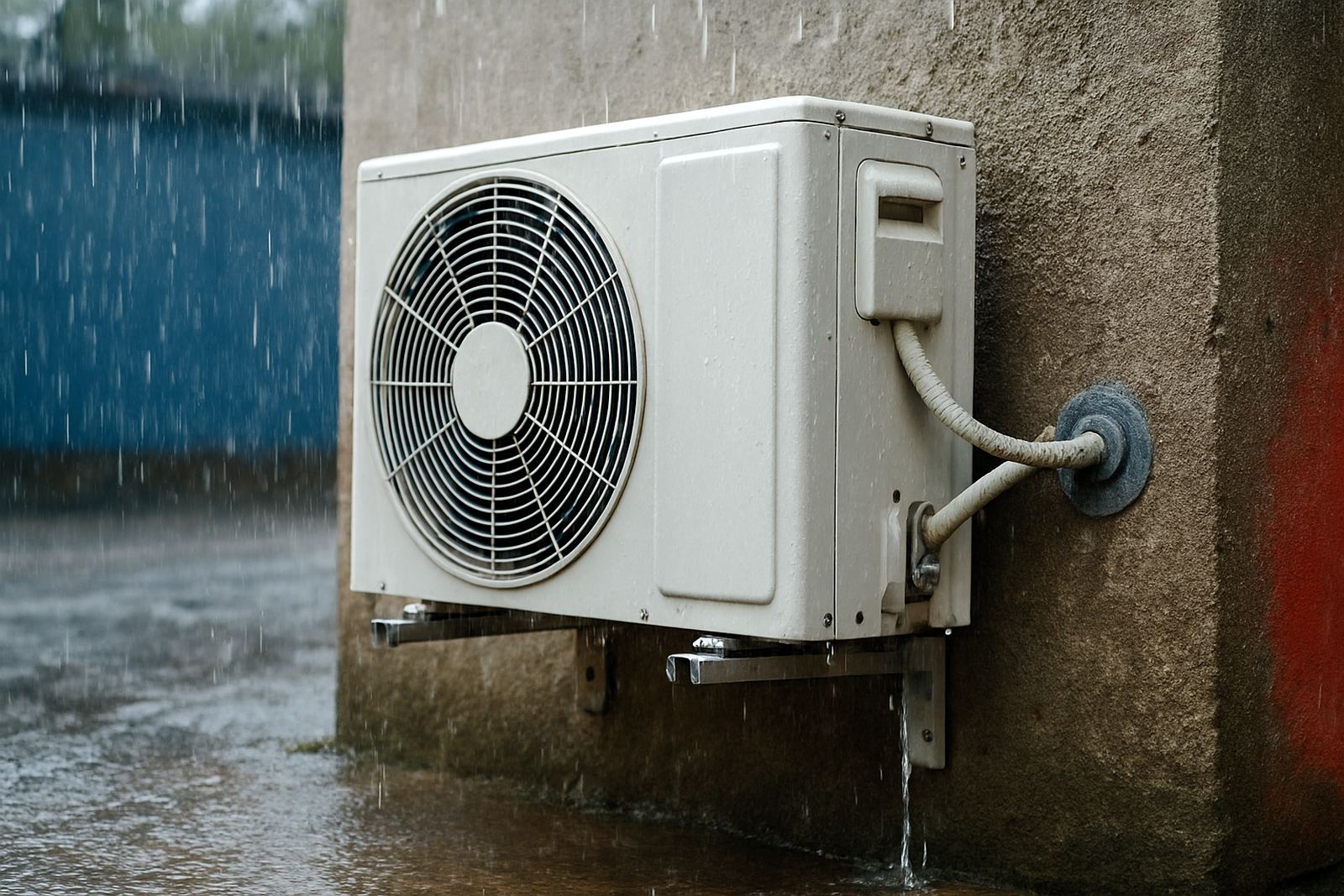
Durban heat, salt air and humidity place extra strain on equipment. Coastal homes and businesses often see faster corrosion on outdoor units, especially where sea air moves inland or the unit sits in an exposed courtyard. In the rainy months, drain lines can pick up algae and dirt quicker than inland systems.
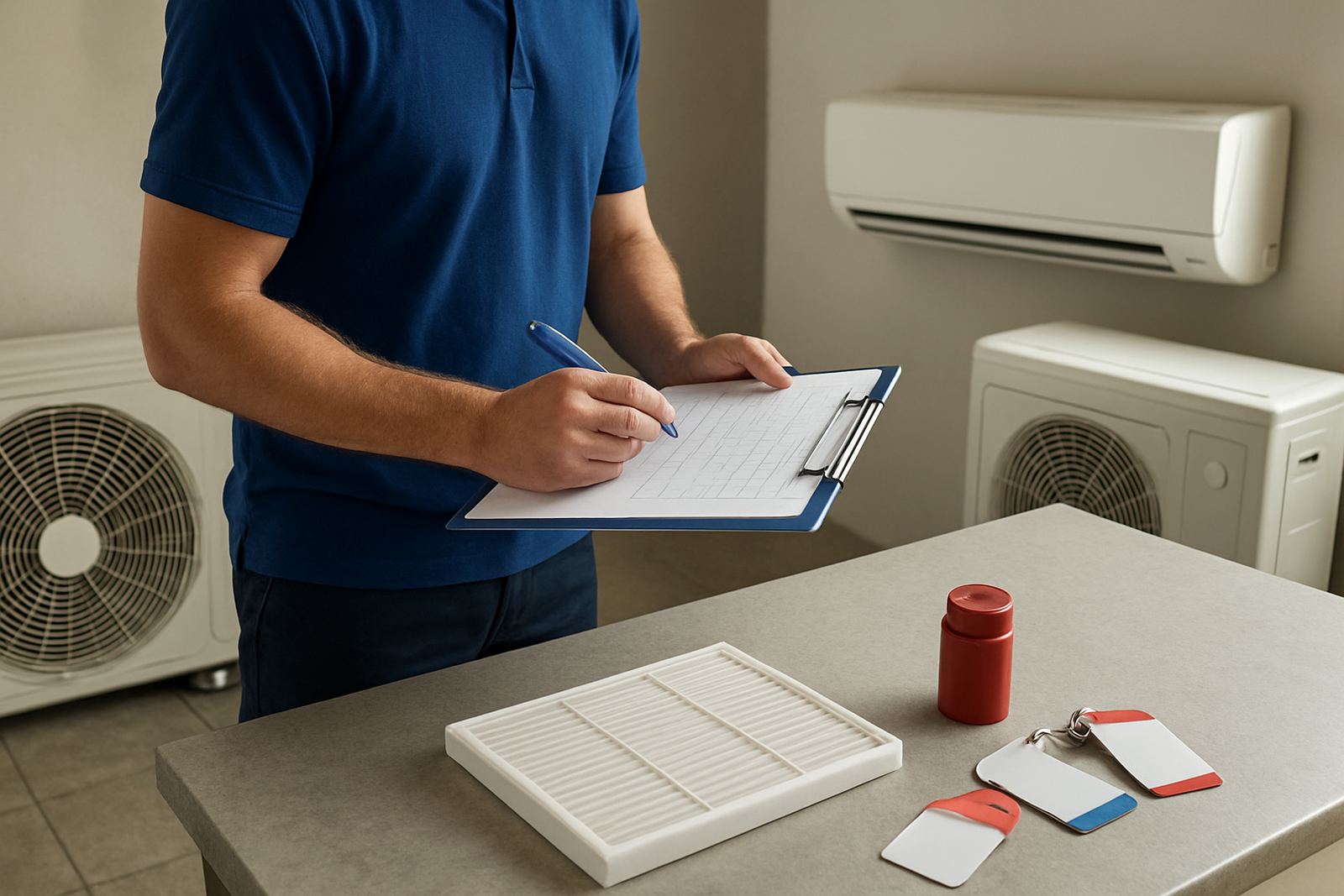
That is why the same service interval does not suit everyone. A unit in West Durban may need a different cleaning and maintenance schedule from a beachfront-facing property or a busy kitchen office. If your aircon runs every day, especially during summer afternoons, a planned maintenance visit is usually cheaper than waiting for breakdown call-out.
Spare parts, gas and what to ask for
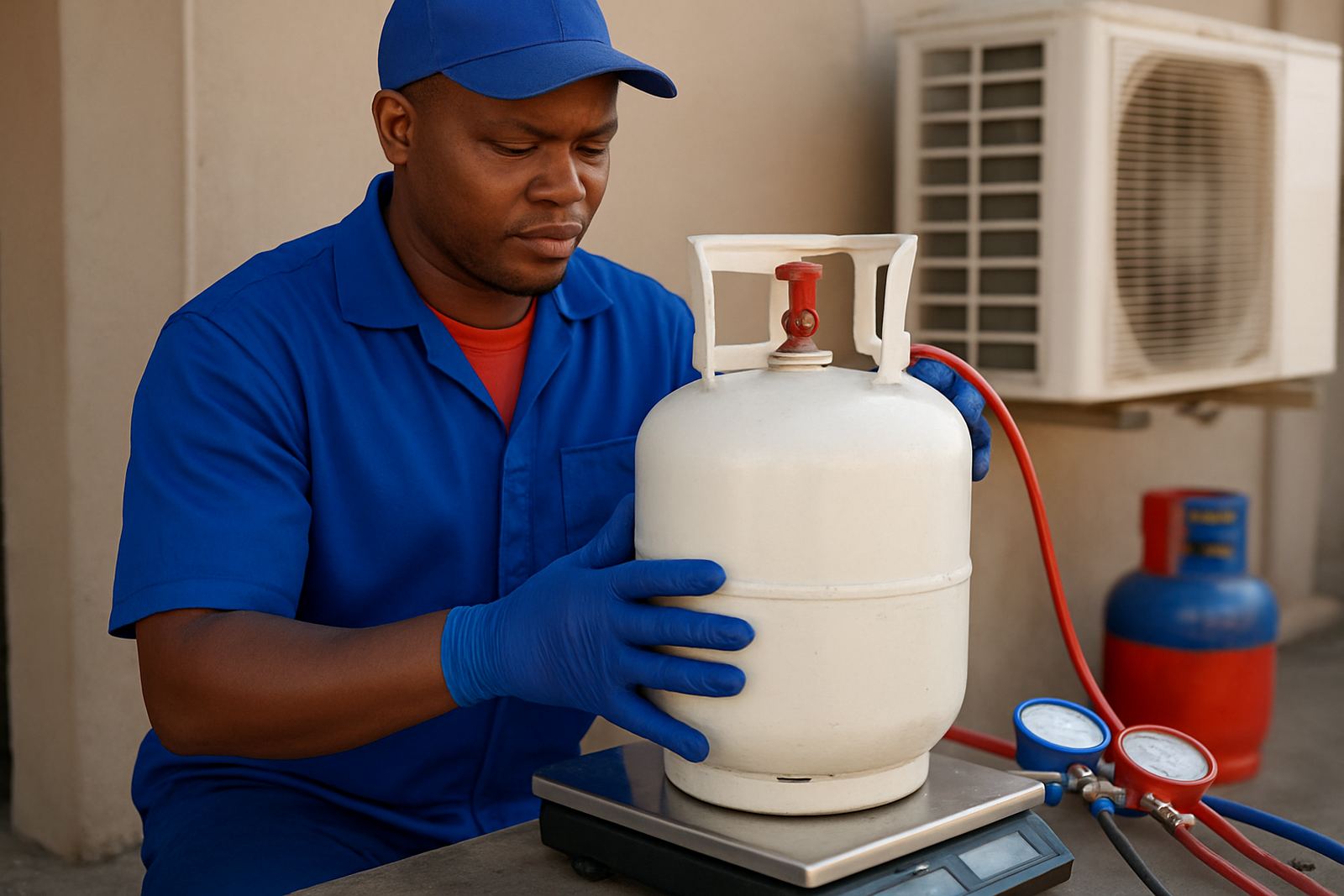
When a technician says a part must be replaced, it helps to know what that means. Common items include capacitors, contactors, fan motors, controls parts and compressor-related components. Gas work should always be tied to a leak check, because topping up without fixing the leak is only a short-term fix.
If you are comparing repair options, ask for the fault confirmed in writing and check whether the part is new, tested or repairable. On older systems, it may be more sensible to replace a worn component and clean the system than to keep paying for repeat call-outs. Our spares and gas support is set up for that kind of practical decision making.
- Ask for the cause of the fault, not only the symptom.
- Check whether the gas loss is from a joint, coil or service valve.
- Confirm if the repair includes testing after power-up.
- Make sure the drain path is cleared before the unit is handed back.
Homes, shops and workspaces need different planning
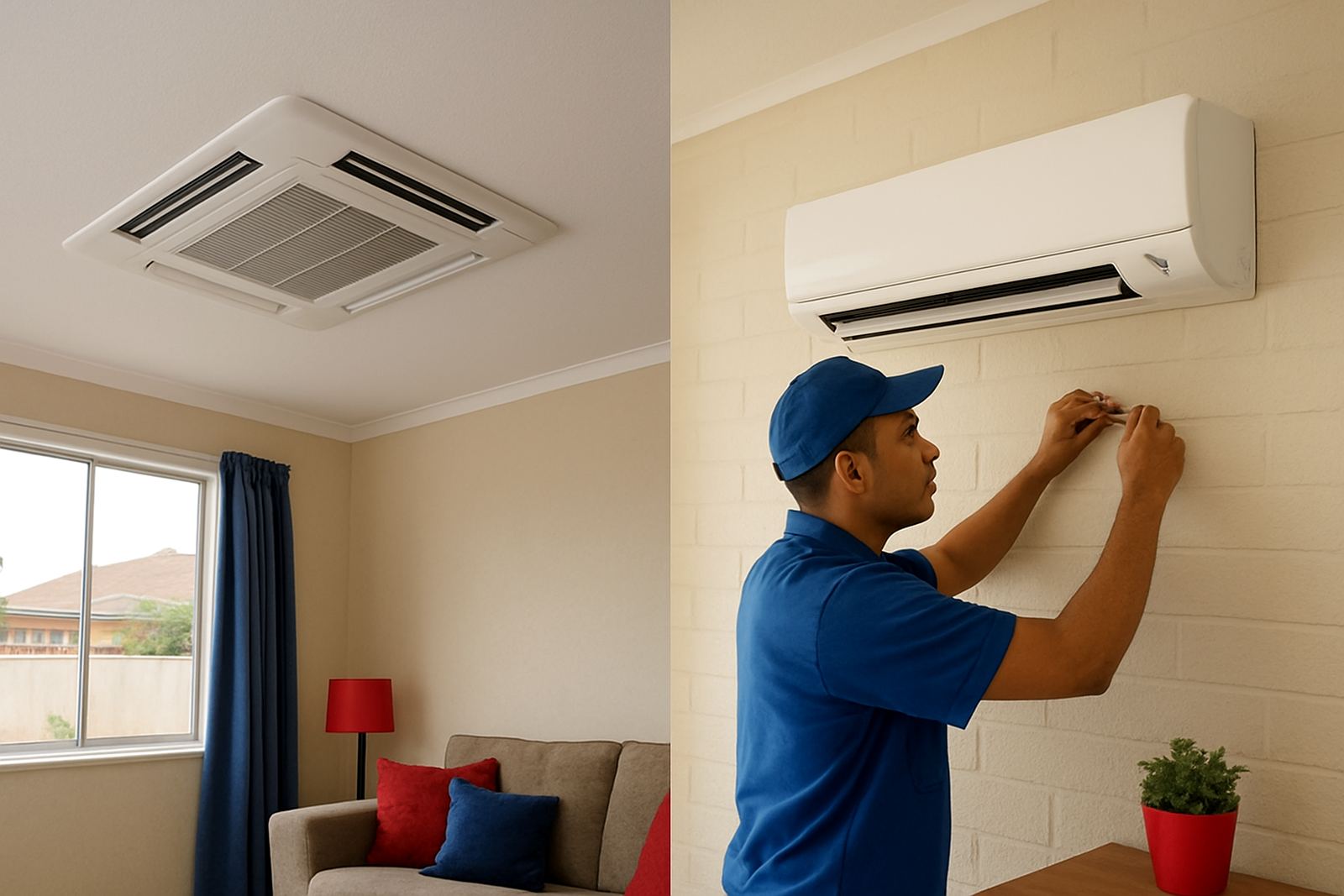
A home unit is usually judged by comfort and noise, while a business unit is judged by uptime. That changes how installations are planned and how faults are handled. Domestic systems often need neat pipe routes, quiet operation and careful sizing for bedrooms or lounges. Commercial systems need attention to operating hours, occupancy and the cost of downtime.
For tenants and landlords, the articles also touch on who should manage routine cleaning, what can be done without affecting warranty and how to report a problem before it turns into water damage or spoiled stock. In many eThekwini buildings, one late service visit can save a bigger repair later.
Seasonal planning for eThekwini properties
Aircons often fail at the worst time, usually during the first long hot spell. That is why seasonal planning matters. Before summer, check filters, drains, control settings and outdoor airflow. Before winter, confirm that any heating function is working if you use reverse-cycle units. It is also worth booking work before the peak rush, because breakdown call-out demand rises fast when temperatures climb.
Our depot pages are written to help you plan ahead, especially in busy areas such as Clairwood, Durban Central, South Durban, North Durban and the wider metro. Whether you are sorting a one-room flat, a salon or a warehouse office, the right article should help you decide what to fix now and what to schedule next.