What landlords should look for before fitting aircon
For rental units, the first question is not which model looks modern, but which one will stay reliable after years of tenants, cleaners and occasional rough treatment. In Clairwood, Durban Central and the South Durban suburbs, we often see machines fail early because the install was rushed or the unit was undersized for the room. That leads to constant call-outs, frustrated tenants and higher total cost for the owner.
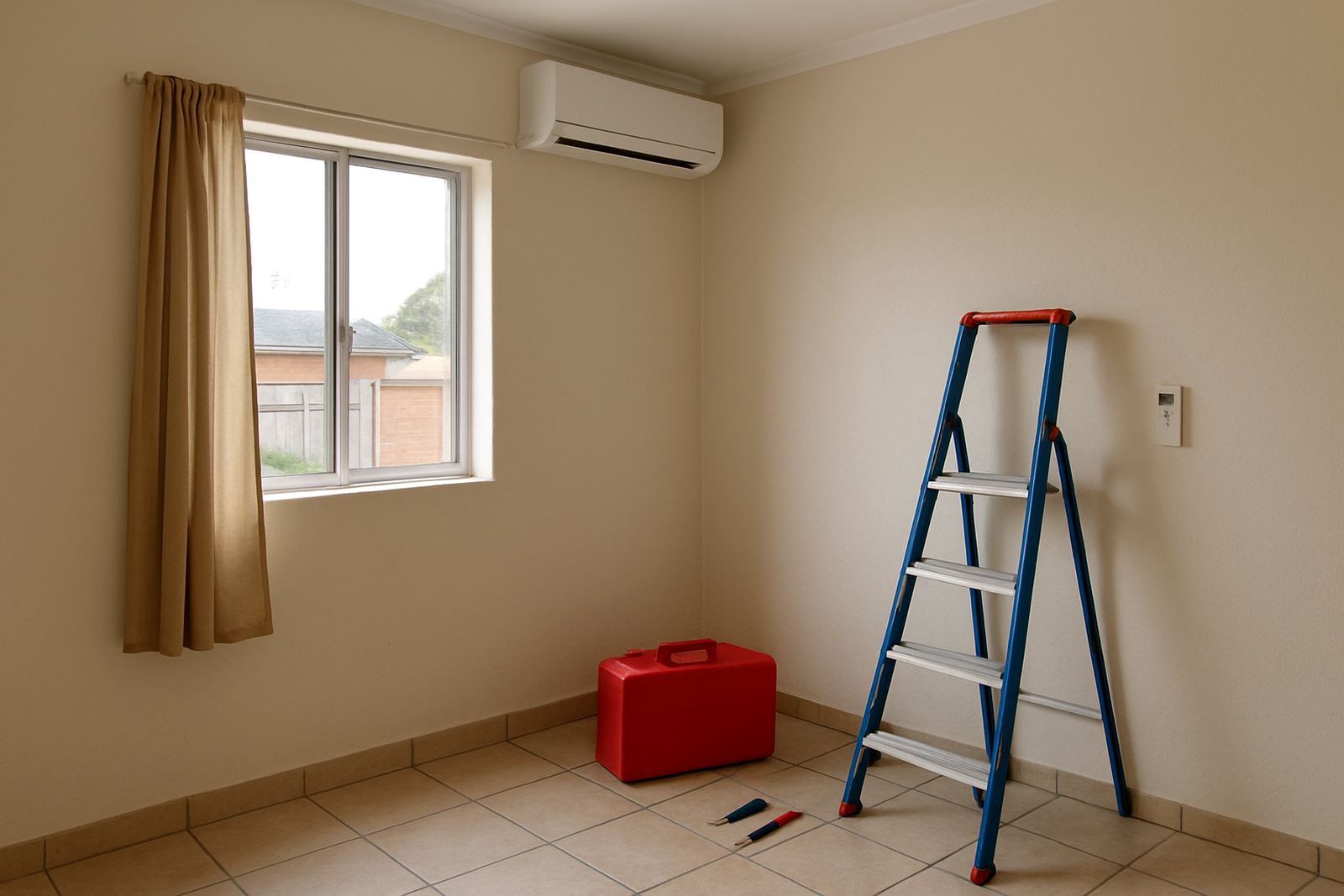
A good rental aircon choice should match the room size, ceiling height and sun exposure. A north-facing lounge or top-floor bedroom needs more capacity than a shaded room. It also helps to think about service access. If the indoor unit is mounted so high that filters cannot be cleaned easily, you will pay for it later. In rentals, simple access matters just as much as cooling power.
- Match the unit size to the room, not just the floor area.
- Choose models with easy-to-clean filters and open access panels.
- Plan for electrical load and safe isolators from the start.
- Keep indoor units away from cooking steam and direct coastal moisture.
Why durability matters more than the lowest purchase price
Many landlords try to save at the point of purchase, then spend more on repairs, gas top-ups and tenant complaints over the next few years. A rental property needs aircon that can cope with regular use and still be affordable to maintain. The cheapest option is often the most expensive once you include breakdowns, repeat visits and lost tenant goodwill.
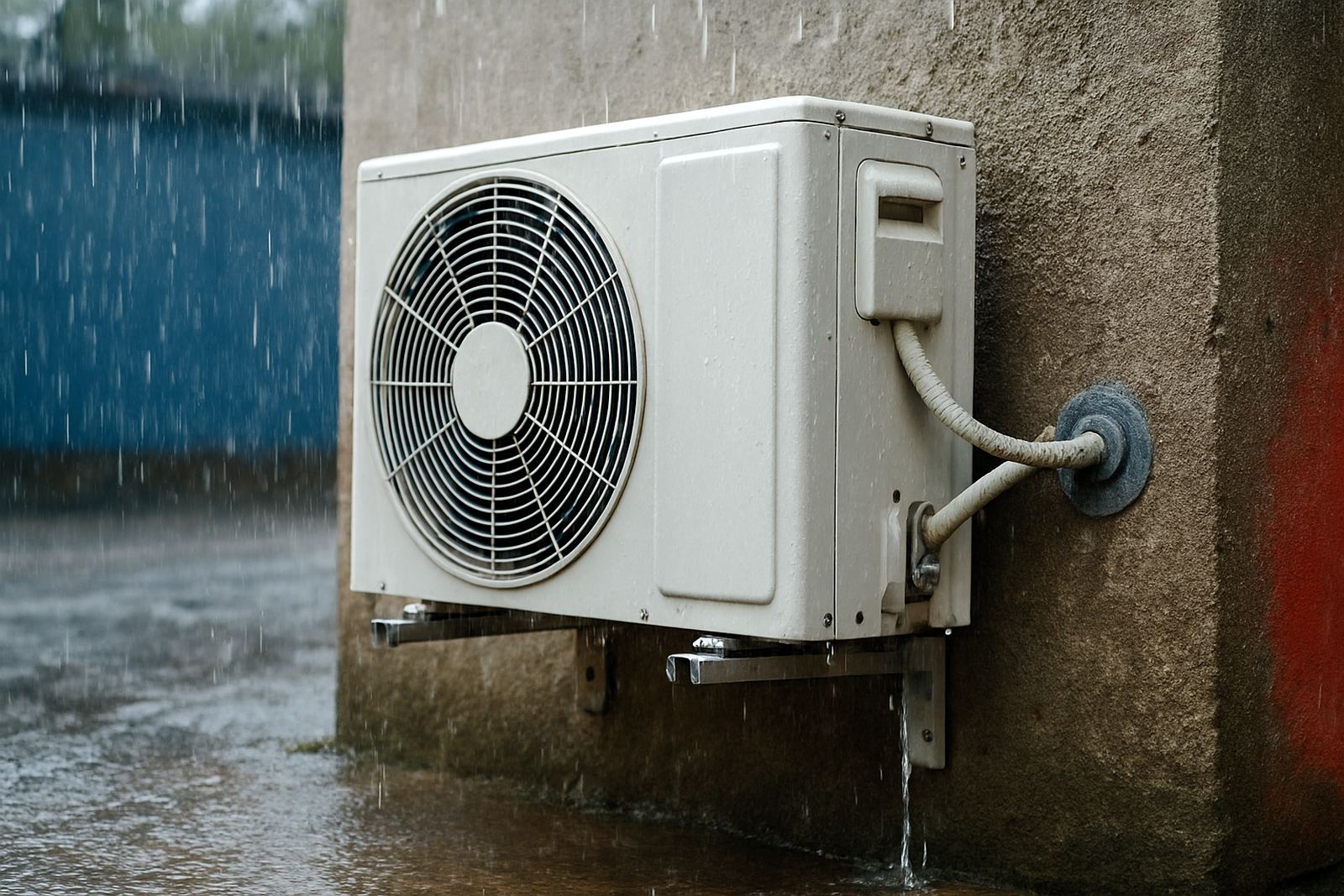
Durability starts with the installation. Pipe runs need to be neat and properly insulated. Drain lines must fall correctly so water does not drip into ceilings or onto walls. Outdoor units should be fixed securely and positioned where they are not blocked by laundry lines, rubbish bins or overgrown shrubs. In coastal parts of eThekwini, corrosion can also shorten the life of brackets and fixings if the wrong materials are used.
For landlords with multiple flats or sectional title units, standardising the unit type can help. It makes spares easier to keep, service work simpler, and tenant handovers less complicated. You do not want three different control sets, two remote types and a different filter size in every unit.
- Use corrosion-aware mounting and fasteners in humid areas.
- Keep pipework short and well insulated where possible.
- Standardise across similar units to reduce spares costs.
- Budget for maintenance, not only the original install.
How to keep tenant comfort high without raising running costs
Tenant comfort is not only about cold air. A rental unit should cool evenly, remove humidity and run quietly enough for sleep and shift workers. In Durban, especially during warm, sticky evenings, a unit that only blows hard but does not dehumidify properly will still leave people uncomfortable.
One of the best ways to control running costs is through sensible setup. If the thermostat is placed badly, or the fan speed is always left too high, the unit works harder than necessary. A proper installation should include correct positioning, sealed pipework and advice on temperature settings. Most tenants do not need the unit set to the coldest point. A steady, moderate setting is usually cheaper and more comfortable.
Landlords should also give tenants basic use instructions. Clean filters improve airflow and lower electricity use. Closed windows and doors matter more than people think. In one Durban North block of flats, we found that several tenants thought the units were weak, but the real issue was blocked filters and doors left open while the aircon was running. Once that was corrected, the calls back dropped sharply.
- Show tenants how to clean filters and use the remote properly.
- Set a practical temperature range, often around 22 to 24 degrees C.
- Repair leaks and blocked drains quickly before they damage ceilings.
- Use timers where appropriate for bedrooms and short-stay units.
Maintenance schedules that work for rentals and not against them
Rental aircon needs planned maintenance. Waiting until a tenant reports a fault usually means the unit has already been struggling for weeks. A better approach is to service units before peak summer use and again after the heaviest running season. That way, faults are caught early and small issues do not turn into compressor damage or electrical failures.
Our team often sees the same preventable problems: drain blockages, dirty coils, loose connections, failing capacitors and contactors, and fan motors that start to struggle under load. These are common, but they are easier and cheaper to sort early. For landlords with apartments, offices, shops or mixed-use buildings, a maintenance schedule also helps with record keeping and tenant relations.
- Book routine cleaning before summer heat starts.
- Check gas pressure and look for leaks if cooling drops off.
- Inspect drain lines, fan motors and electrical components regularly.
- Keep a service log for each unit and note all repairs.
What to do when a tenant reports no cooling or strange noises
Fast response matters in rentals. A tenant who is uncomfortable today can become a bigger problem by tomorrow, especially if the unit is in a bedroom or small flat. The first step is not guessing. Proper fault finding is needed to work out whether the issue is electrical, mechanical or related to gas loss. A noisy unit may be a loose part, a failing fan motor, or a deeper compressor issue.
We usually advise landlords to keep a clear process. First, confirm the tenant has not changed settings or blocked the intake. Then arrange a technician to inspect the unit, check the drain, test capacitors and contactors, and assess gas levels and leaks. If a compressor replacement is needed, it is better to make that decision early rather than keep patching a unit that is already beyond economical repair.
For rental stock, breakdown call-outs should be handled quickly and documented properly. Tenants value speed, but landlords also need written clarity on what was found, what was fixed and what still needs watching. That helps with deposit disputes and future planning.
{A Durban rental example: one building, fewer complaints
In a small residential block in South Durban, the owner was dealing with repeated complaints from tenants about weak cooling and water dripping inside the rooms. The original issue was not one single fault. Some units had blocked drains, a few had dirty coils, and one outdoor unit was positioned where sea air and rain hit it directly. A couple of tenants had also been running the aircon with windows open, which made the strain worse.
After a round of deep cleaning, drain clearing, leak checks and a better maintenance plan, the building settled down. The owner did not need to replace every unit. Instead, a practical repair and service approach extended the life of most of the system. That is usually the real win in rentals: less churn, fewer emergency calls, and tenants who stay longer because the place feels looked after.
For landlords across Clairwood, Durban Central, West Durban and the wider eThekwini area, the message is simple. Fit the right unit, install it properly, service it on time, and keep the process clear. It saves money in the long run and keeps everyone happier when the Durban heat turns up.