Why a small office inside a big warehouse behaves differently
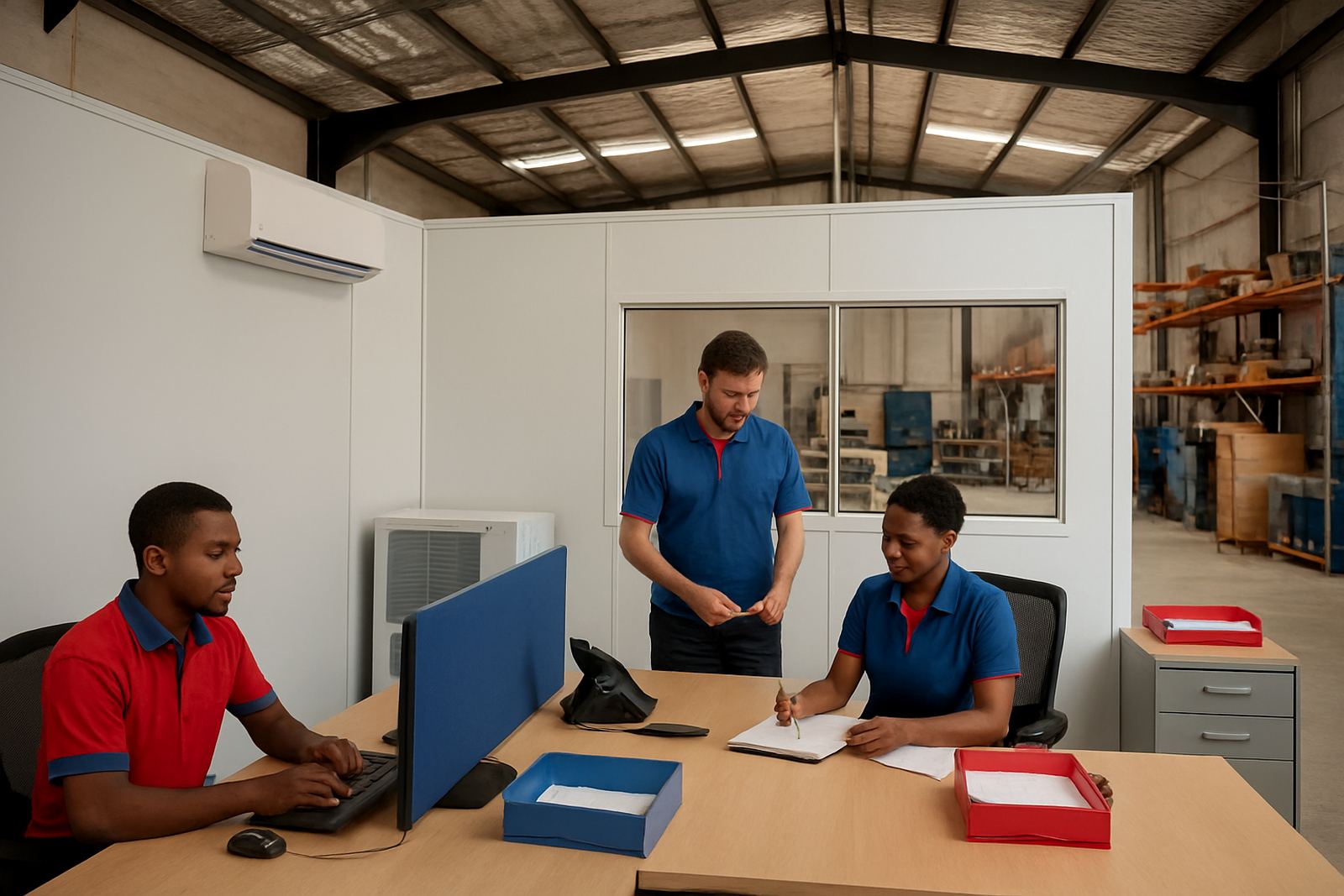
A warehouse office pod is usually built from light materials, has more glass or aluminium framing, and sits inside a much larger space with very different air movement. The open floor around it may shift with loading bay doors, extractor fans, forklifts and roof heat, but the pod itself traps people heat fast. That is why one aircon unit that would be fine in a normal office can struggle badly in a warehouse office.
In Clairwood and the wider south of Durban, we often see office pods where staff are opening and closing the door all day, or where the unit is fighting against afternoon heat coming off a metal roof. Add humidity from coastal air and the room can feel clammy even when the thermostat says the temperature is acceptable.
- Light construction means less insulation and quicker heat gain
- People opening doors lets warm air and dust rush in
- Glass and metal frames collect heat fast
- Server boxes, printers and chargers add extra load
The cooling problems we see in Durban warehouse offices
Many warehouse offices are cooled as an afterthought. The unit is mounted where it was easiest, the pipe run is long, and nobody checks whether the pod has enough return air. Then the complaint starts: the office is cold near the unit but warm at the far corner, or the system runs all day and still never gets ahead of the heat. Sometimes the issue is not the size of the unit at all, but poor airflow, a blocked drain, or a dirty coil.
In our work across South Durban, North Durban and Durban Central, the common faults are simple but costly if they are ignored. A leaking gas line, weak capacitor, tired fan motor or a blocked drain can turn a decent installation into a constant problem. The same goes for units that were never set up for daily dust from the warehouse floor.
- Hot and cold spots inside the pod
- Water dripping from blocked drain lines
- Higher electricity use from units running longer
- Frequent trips during peak heat or load-shedding recovery
When staff complain first thing on Monday and again by mid-afternoon, the system needs more than a quick top-up.
Getting the size and placement right from the start
For warehouse offices, correct sizing matters just as much as the make of unit. A small two-person admin pod may only need a modest system, but if it has direct sun on one side, equipment inside, and the door opens often, the capacity has to allow for that extra load. Oversizing is not the answer either, because it can short-cycle, waste power, and leave the room damp.
The best results usually come from matching the cooling plan to the actual use of the space, not the floor area alone. We look at ceiling height, wall material, window size, occupancy, and whether the office sits inside a noisy, dusty operational area. A neat-looking installation that cannot keep up in March or October is money wasted.
- Check the room size and how many people use it daily
- Allow for computers, printers and other equipment
- Consider sun exposure on tin roofs and side walls
- Plan for regular door opening and warehouse heat spillover
Maintenance that keeps a pod office comfortable all year
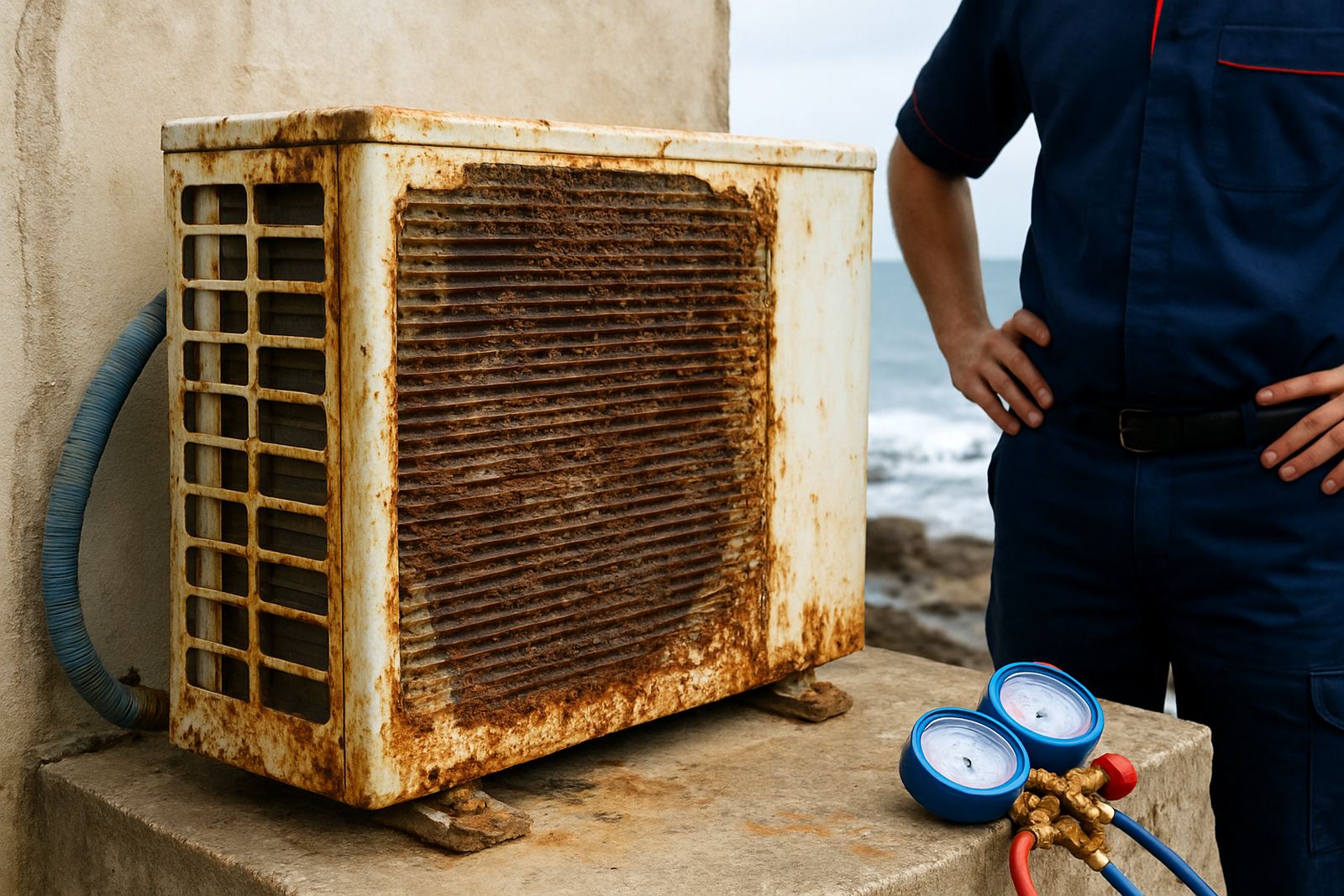
Warehouse office units work hard and they need planned attention, not just call-outs after a breakdown. Filters clog faster where there is dust, cardboard fibres and forklift movement. Coastal air can speed up corrosion on outdoor components, especially in Clairwood and other southern parts of eThekwini. A unit that is cleaned and checked on a schedule will usually last longer and cost less to run.
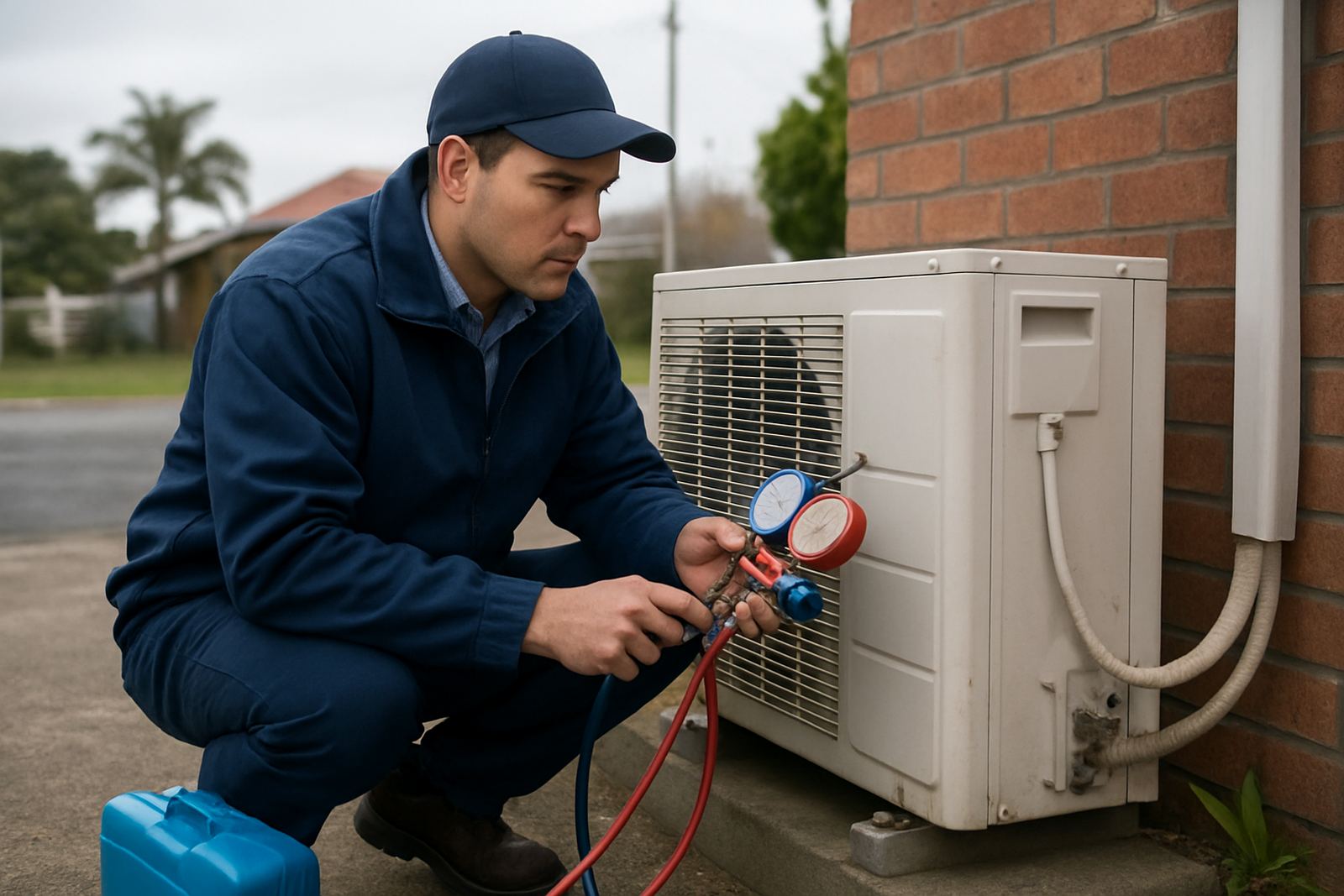
For many businesses, the practical plan is a pre-season deep clean, then routine checks on gas pressure, electrical parts and drainage. If the unit is used every day, it pays to look at maintenance at least twice a year. That helps catch small issues before they become a full shutdown on a hot Friday afternoon.
- Deep clean filters, coils and drain trays
- Check capacitors, contactors and fan motors
- Test controls and temperature response
- Inspect pipework for leaks and insulation wear
Small leaks and dirty coils can hide for weeks before staff notice the room is not holding temperature properly.
Load-shedding and after-hours recovery need a plan too
In South Africa, a warehouse office cannot be planned without thinking about power interruptions. When the lights go out, the pod may heat up quickly, and when power returns the unit has to recover without tripping or stressing the compressor. If the office holds paperwork, stock records or a point of coordination for drivers and dispatch, temperature swings can disrupt more than comfort.
A good setup includes proper electrical protection, clean connections and enough cooling capacity to bring the room back down without running flat out. Staff should also know what to do after a power cut, because switching systems on too quickly can create avoidable faults. A simple restart sequence saves headaches later and yes, it saves Rand as well.
For sites in greater eThekwini, we often advise businesses to review both cooling and backup power together. That way the office pod does not become the weak point when the rest of the warehouse is still operational.
A Durban example: one pod, two different working zones
At a light industrial site in Clairwood, the main warehouse stayed airy enough with roller doors open during the day, but the attached office pod was suffering. The team had one small system running full time, yet the room still felt damp by mid-afternoon. After a site check, the issue turned out to be poor airflow around the pod, a partially blocked drain, and a unit that had not been cleaned in far too long.
Once the system was serviced, the drain cleared and the cooling pattern adjusted, the room became usable again without overworking the compressor. The office did not need fancy changes, just the right attention for a room that lived under different conditions from the warehouse floor.
That is the part many businesses miss. A pod office is not a small version of the warehouse, it is its own space with its own cooling demands. Treat it that way and the people inside work better, stay cooler and make fewer complaints.
What warehouse managers should ask before the next service
Before the next heatwave or breakdown, it helps to ask a few simple questions about the office pod system. These checks can save a lot of wasted call-outs and keep the room steady through summer, humidity and power cuts.
- Is the unit sized for the number of people and equipment inside?
- Is the drain line clear and flowing properly?
- Are the outdoor parts exposed to salt air or heavy dust?
- Has the system been deep cleaned in the last six months?
- Are there signs of leaks, weak airflow or noisy operation?
If the answer to any of these is no, the system probably needs attention before it turns into a bigger repair. For warehouse offices in Durban, that is the difference between a room that supports the team and one that slows them down.