Why Durban sea air is harder on air-conditioning
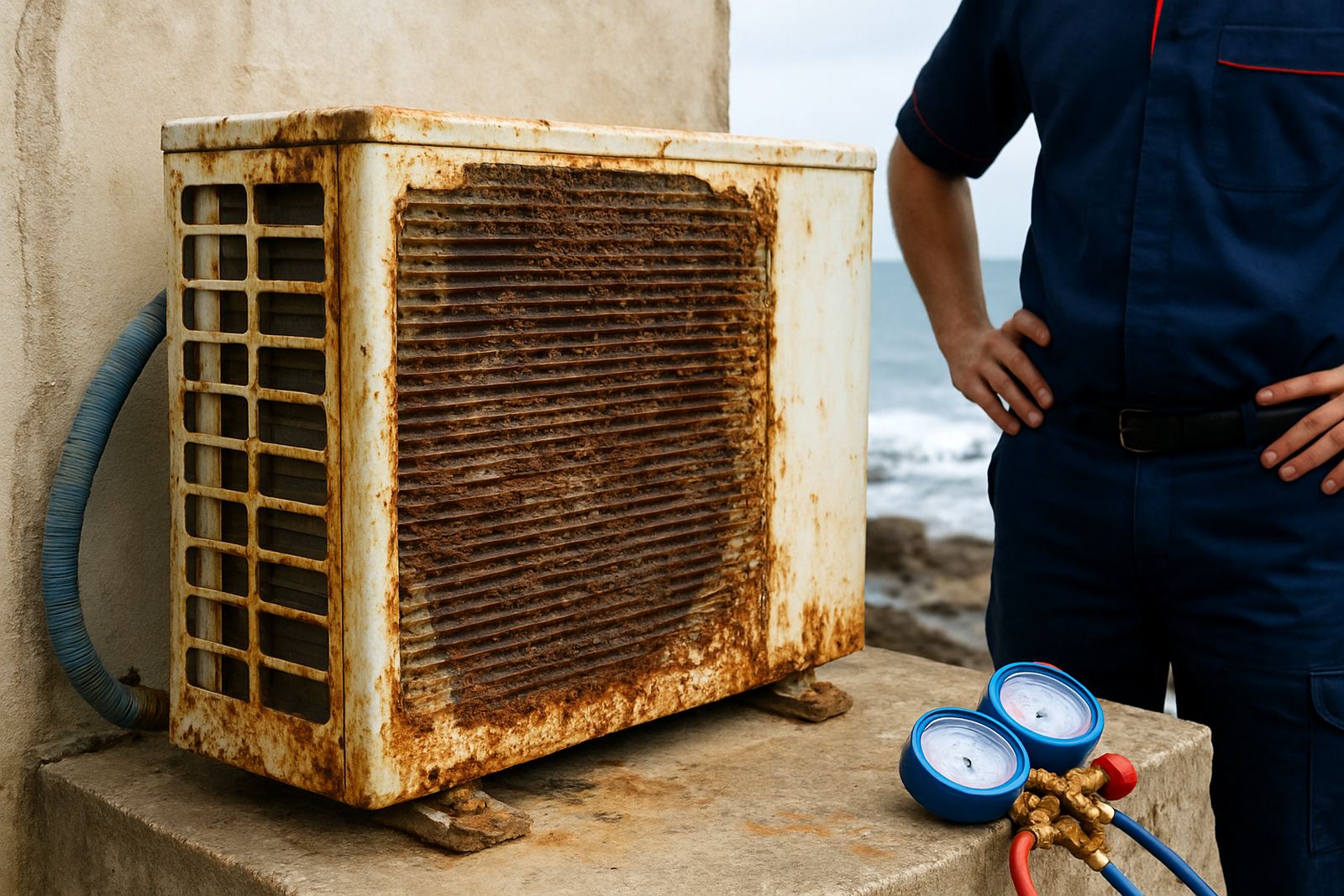
In coastal areas, the problem is not just rain or heat. Fine salt carried on the breeze settles on coils, fasteners, electrical terminals and metal casings. Over time that salt pulls moisture from the air and speeds up corrosion, especially on outdoor units facing the sea wind or mounted where spray and dust build up together.
In Clairwood and nearby industrial areas, we often see units that look fine from a distance but have corroded fins, pitted fan blades and rusted brackets. Once corrosion starts it does not stay local for long. It spreads into the parts that matter for airflow, power draw and safe operation.
Parts that usually suffer first
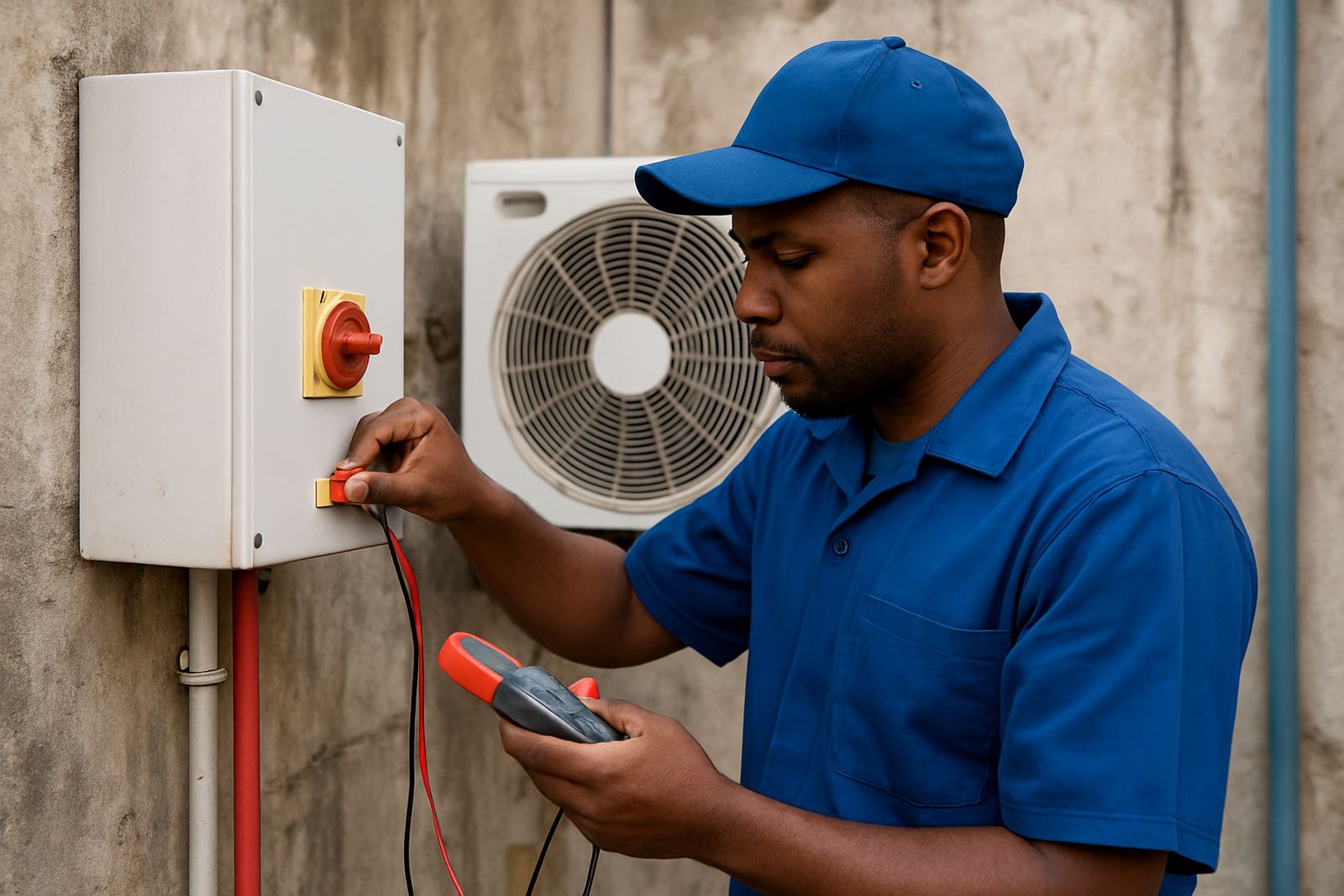
The first signs of coastal wear are often small. A unit may still cool, but it takes longer, sounds different or trips more often. On split systems and larger commercial units, the most common trouble spots are the outdoor coil, fan motor terminals, contactors, capacitors and drain trays. Even a blocked condensate line can become a bigger issue when salt and grime start holding moisture inside the casing.
- Outdoor condenser coils and aluminium fins lose heat transfer efficiency
- Fan motors and terminals corrode, causing noisy starts or failure
- Capacitors weaken sooner when heat and moisture build up
- Contactors pit and stick, which can leave a unit cycling badly
- Drain pans and fixings rust, leading to leaks and stained walls
We also see damage around electrical covers and cable entries where seals have aged. Once water gets in, the repair is often not just one part. It becomes a fault finding job with more than one cause.
Signs your unit is starting to corrode
Coastal corrosion is easier to manage when owners pick it up early. A unit that is working harder than it should will often tell you before it gives out completely. If you are in a flat, shop, clinic or office close to the beach or the harbour, check for these warning signs after summer or heavy winds.
- Brown staining on the casing, brackets or wall below the unit
- Reduced cooling even when the thermostat is set correctly
- Frequent trips, hums on start-up or repeated breaker issues
- Musty smells or water dripping from the indoor unit
- Visible rust, white powdery residue or bent coil fins
If a unit is running longer than before to reach the same temperature, the coil may be partly blocked by salt and dust. That extra running time adds strain to compressors and drives up the electricity bill. In load-shedding conditions the stress is worse because units restart more often after power returns.
What owners can do before the damage spreads
The best protection is not complicated, but it does need to be regular. A proper planned maintenance routine can slow corrosion, reduce call-outs and help the system last longer. For coastal properties we usually suggest more frequent cleaning than inland sites, especially where the outdoor unit faces south-easterly wind or sits near an open yard.
Good prevention steps include:
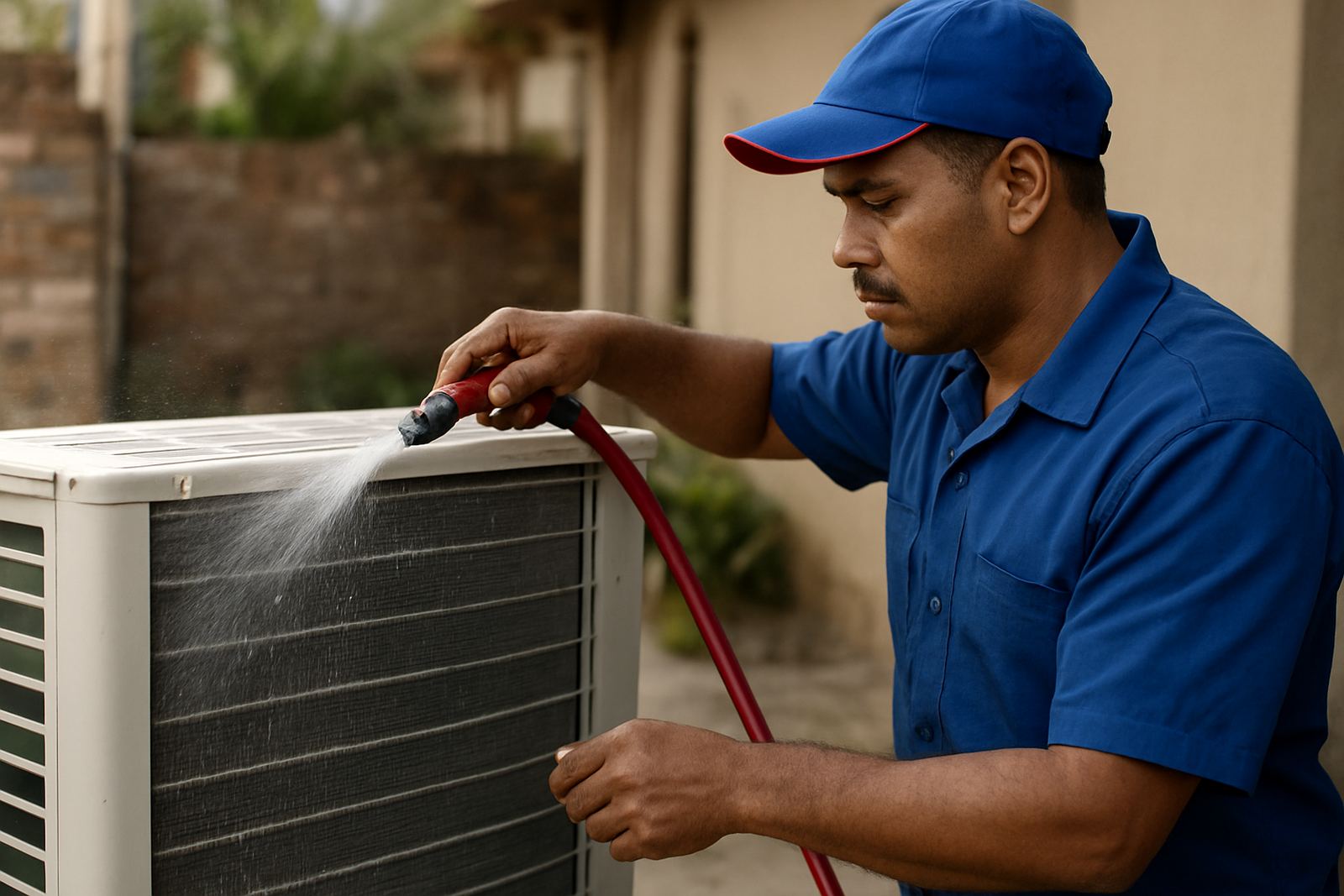
- Wash the outdoor coil carefully to remove salt and dirt buildup
- Check terminals and fasteners for early rust, then replace weak parts
- Inspect drain lines and trays so water does not sit inside the unit
- Keep shrubs, bins and debris away from the outdoor unit for airflow
- Make sure the unit is mounted off the ground and out of standing water
For commercial sites, a maintenance log helps spot repeat issues. If the same unit keeps losing gas or tripping on hot afternoons, corrosion may be part of the cause and not just a one-off fault.
A local example from South Durban
One of the more common coastal jobs we see is a small business in South Durban that has air-conditioning running most of the day, with salty air coming in from open loading bays. The owners first noticed weak cooling in one office. When we checked the system, the coil was heavily coated, the fan terminals had started to corrode and the contactor was not pulling in cleanly. The unit had been repaired once before, but the root problem was exposure and poor cleaning intervals.
After fault finding, we carried out a deep clean, replaced the worn electrical parts and set a maintenance plan that matched the site conditions. That is usually the turning point. Once corrosion is controlled early, owners stop paying for repeat breakdowns and the system starts doing what it should again.
When to call for repair, not just cleaning
Cleaning helps, but there is a point where corrosion has already damaged the component. At that stage a quick wash will not fix weak compressor starting, burnt contacts or a fan motor that is drawing too much current. If you can see rust around the electrics, smell a hot electrical odour or hear rattling on start-up, it is worth getting a technician in before the fault grows.
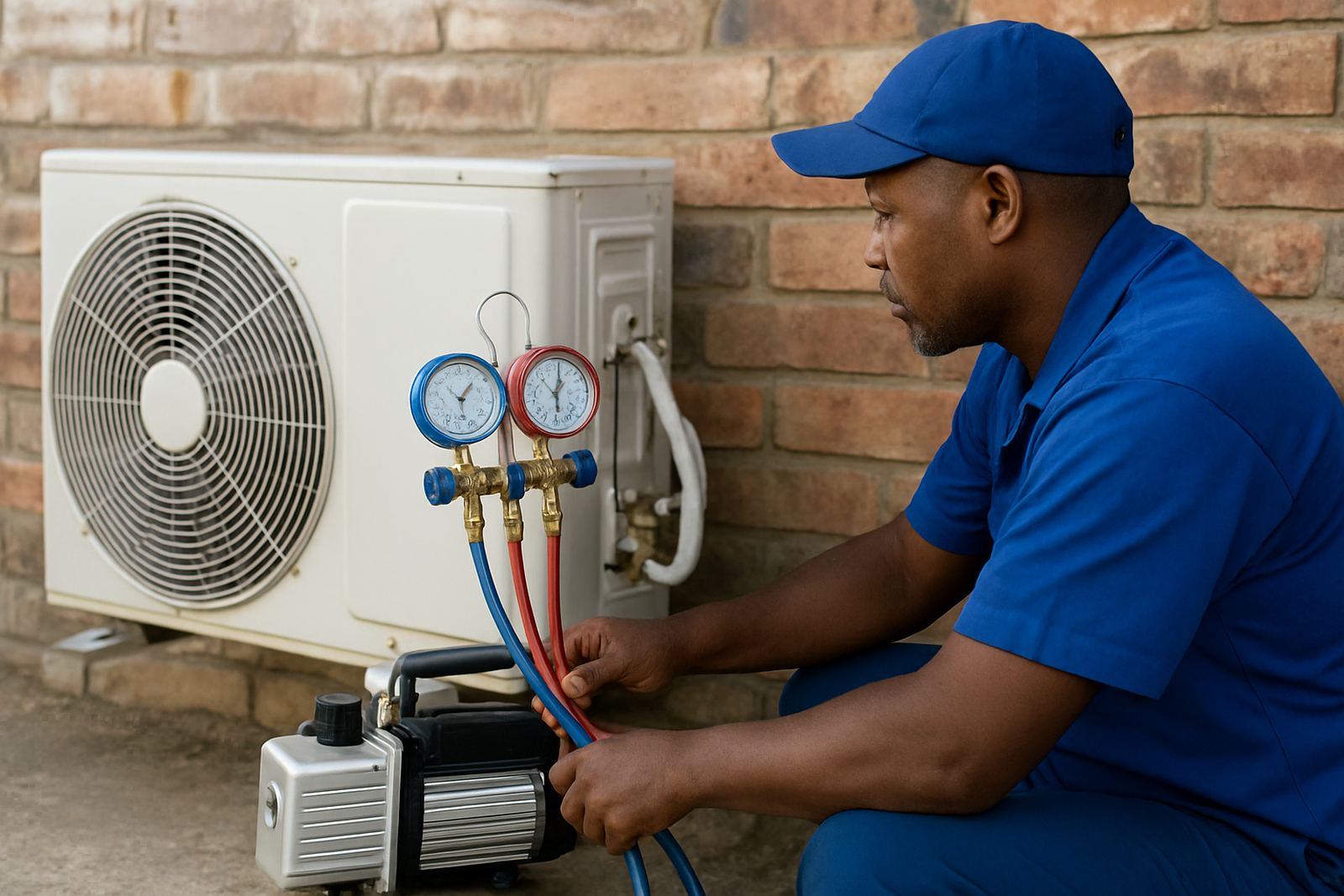
We handle breakdown call-outs, regas and leak checks, compressor replacement, fan motor repair, capacitors and contactors, drain blockages, deep clean service and controls repair across Clairwood, Durban Central, South Durban, North Durban, West Durban and the greater eThekwini area. The aim is simple: catch the damage early, replace what has failed, and keep the rest of the system protected for the next heat wave.
Keeping coastal systems running better for longer
Salt air cannot be stopped, but its effects can be managed. Owners who schedule regular maintenance, watch for the early warning signs and keep outdoor units clear tend to get better service life out of their equipment. That matters in Durban, where humidity, summer heat and power cuts can push a tired unit over the edge very quickly.
If your aircon sits near the coast or handles daily use in a busy commercial space, treat corrosion as part of the maintenance picture, not an afterthought. A small fix now is usually far cheaper than a corroded coil, failed motor or repeated gas loss later on.