What the two systems do best
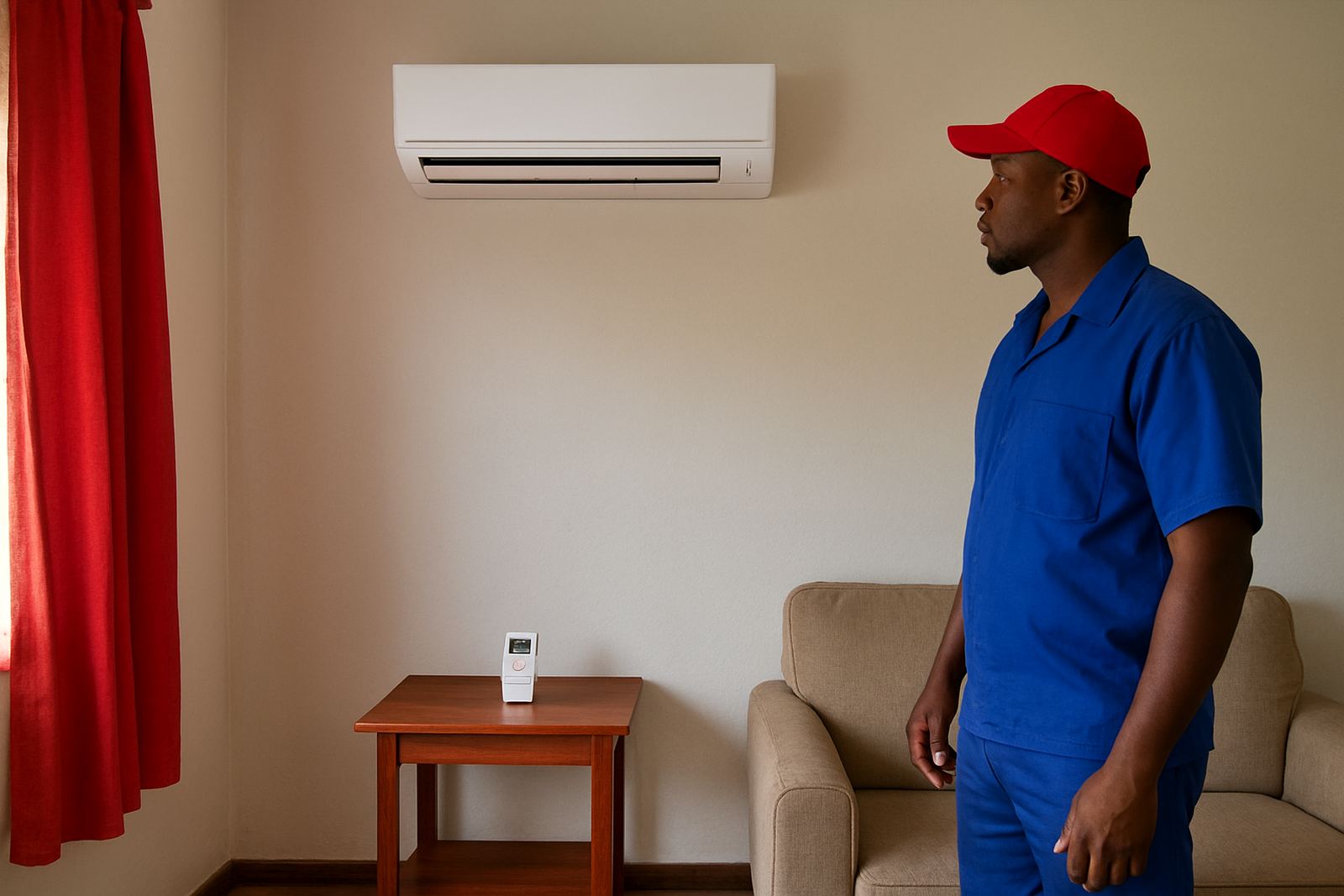
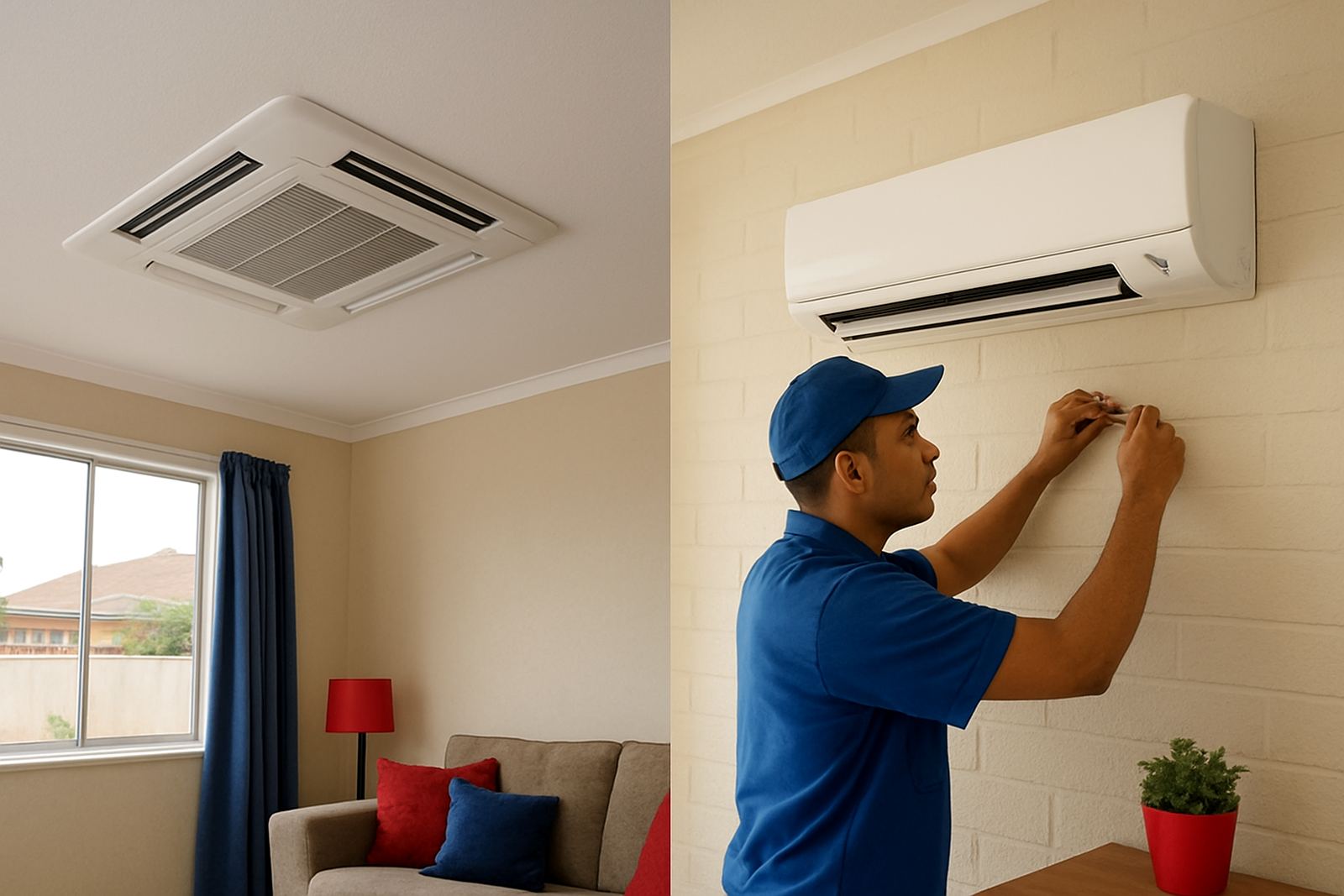
A wall split has one indoor unit fixed high on the wall and is usually the first choice for offices, small shops, consultation rooms and back offices. A ceiling cassette sits in a ceiling void and throws air in more than one direction, which helps in open-plan rooms, reception areas and larger meeting spaces.
Both systems can cool and dehumidify, but they suit different layouts. If people sit for long periods near one wall, a split can be perfectly fine. If foot traffic moves across the room and you want air spread more evenly, a cassette may be the better fit.
When a wall split makes more sense
Wall splits are usually easier to fit where there is limited ceiling space or a solid wall available. They can suit smaller rooms, tenant spaces and businesses that need a quicker install without major ceiling work. For many Durban offices, that means less disruption and lower upfront cost.
They are also easier to inspect for day to day servicing because the indoor unit is visible and reachable. That said, placement matters. If it blows directly onto staff or customers, people complain about draughts and uneven comfort.
- Better for smaller rooms and enclosed offices
- Lower install cost in many cases
- Simple access for routine cleaning
- Works well where ceiling space is limited
Where a ceiling cassette earns its keep
Ceiling cassettes suit businesses that want a cleaner wall finish and more even airflow across a wider area. They are often used in showrooms, boardrooms, medical rooms, salons and retail floors where the indoor unit should not dominate the space.
Because the air is spread through several outlets, a cassette can reduce hot and cold spots in rooms with open layouts. In coastal Durban, that even air movement helps when humidity is high and the room feels sticky even before the temperature climbs. A well sized cassette can make a busy space feel steadier throughout the day.
Installation needs to be planned properly though. You need enough ceiling void, drainage fall and safe access for service work later. If access is awkward now, it becomes a headache when a drain blocks or a fan motor starts to struggle.
Running cost, maintenance and reliability
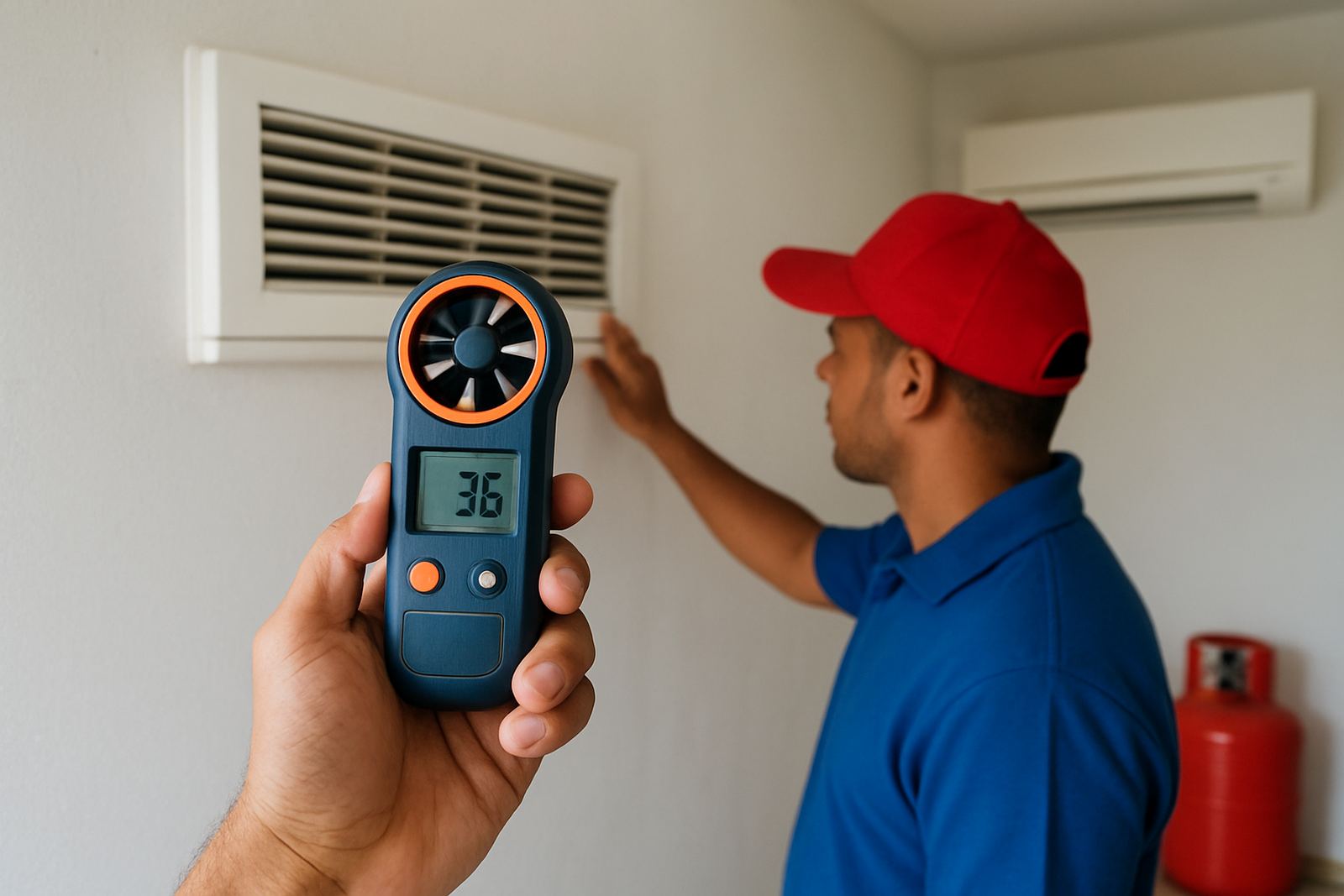
Neither system is automatically cheaper to run. The real difference comes from correct sizing, good refrigerant charge, clean filters and regular maintenance. A poorly placed split can work harder than a correctly set cassette, and a cassette with poor access can cost more to service over time.
In Durban, salt in the air and dust from traffic or warehouse areas can affect coils, contacts and drainage. If your business sits near Clairwood, South Durban or close to the harbour side, plan for more regular cleaning and leak checks. That small bit of prevention saves money when load-shedding returns and units are switched on and off more often.
- Check filters every month in busy premises
- Book deep cleaning before the hot season
- Inspect drains to avoid ceiling stains and drips
- Keep spare capacitors and contactors on hand for critical rooms
A practical Durban example
A small wholesale office in Clairwood might choose wall splits for three private rooms and a cassette for the open reception and accounts area. That mix gives staff direct comfort where they sit and better airflow where people move in and out. It also keeps the installation sensible for the building layout.
By contrast, a training room in Durban Central or a salon in West Durban may do better with one or two cassettes, because the room needs even cooling and a neat finish overhead. The right answer is not always the same from one site to the next, and that is where a proper site inspection matters.
What to ask before you decide
Before you buy, look at the room use, ceiling height, wall space, drainage route and how often the area is occupied. If the premises are rented, also check what the landlord allows and whether the unit can be serviced without upsetting other tenants.
Ask for advice on fault finding, planned maintenance and breakdown call-outs as well. A good install should not only cool the room, it should be practical to maintain when it is 34 degrees in Durban and a meeting cannot wait. That is the real test of whether the system was chosen well.
- What size room is being cooled?
- Is there enough ceiling space for a cassette?
- Will the unit be easy to clean and service?
- How will the system cope with humidity and daily use?