Why a room can feel warm even when the unit is on
Many people assume warm air from a unit means the gas is low, but airflow and temperature are not the same fault. If air cannot move properly across the coil and through the room, the unit may still be cooling, just not enough of it is reaching you. That is common in older split units, ceiling cassettes and ducted systems that have not had regular cleaning or checks.
In Durban, the signs can be confusing because humidity makes a room feel heavier than the thermostat suggests. A unit may be set to 22°C, yet the space still feels sticky if the fan speed is weak, filters are blocked, or the indoor coil is dirty. You end up paying for running time without proper comfort.
Simple signs the airflow is the real issue
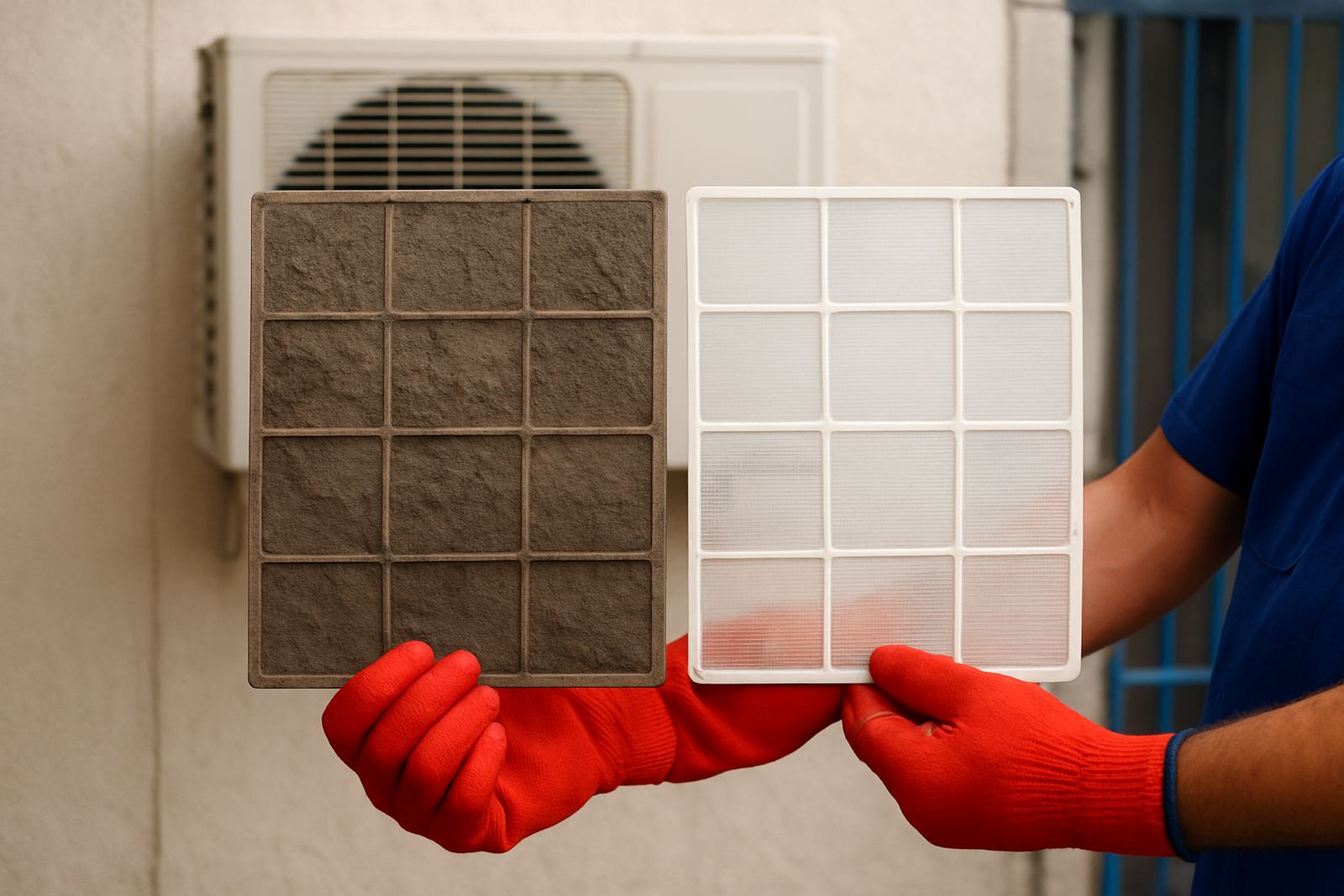
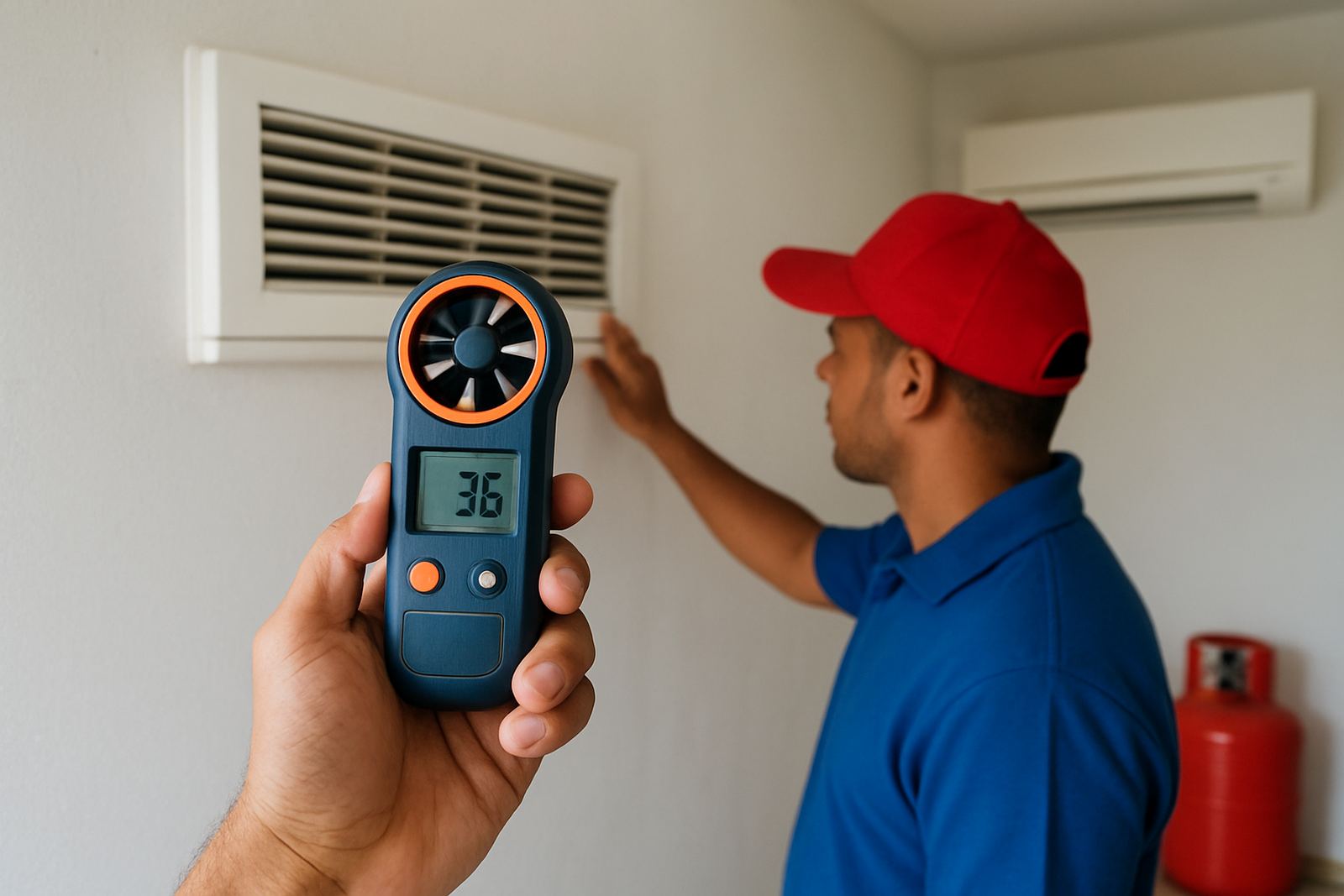
You do not need instruments to spot some of the warning signs. Stand near the outlet and compare the air coming out with what you are used to. If the breeze is barely there, or only one part of the room gets cool, airflow needs checking. A unit can also sound normal while moving very little air.
- Weak air from the vents even on high fan speed
- Uneven temperatures across the room
- Dust building up faster than usual on furniture or filters
- Unit running for long periods without the space cooling properly
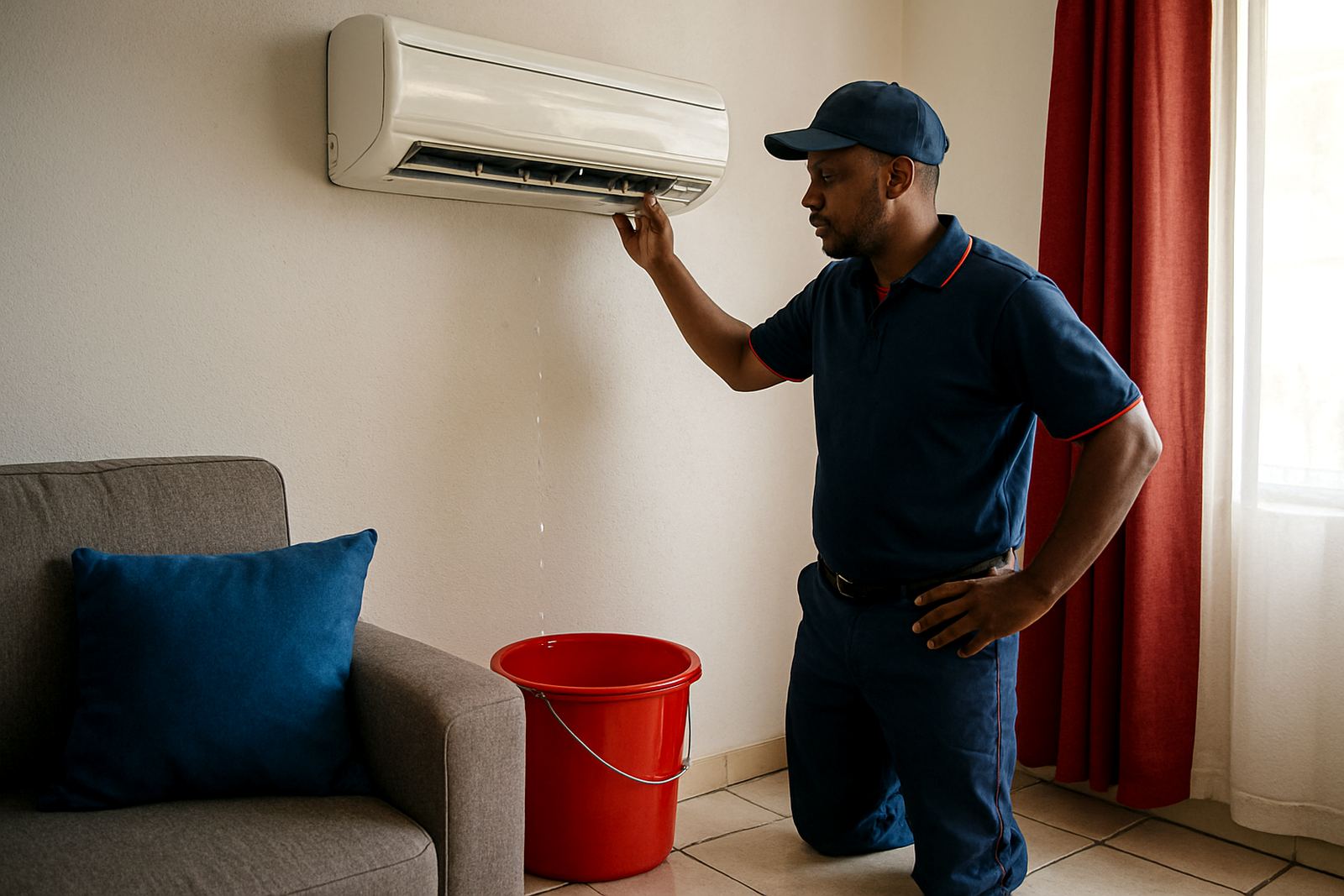
- Ice on the indoor coil or water dripping where it should not
Those signs can point to a blocked filter, a failing fan motor, a capacitor problem, a dirty coil, or a drain blockage that is affecting how the system breathes.
When gas is blamed too early
Gas leaks do happen, and low refrigerant must be taken seriously. But gas is often blamed before the basics are checked. If the fan is not moving enough air, the gas can look like the problem because the room does not cool down. The same goes for a dirty condenser outside or a blocked return path inside the building.
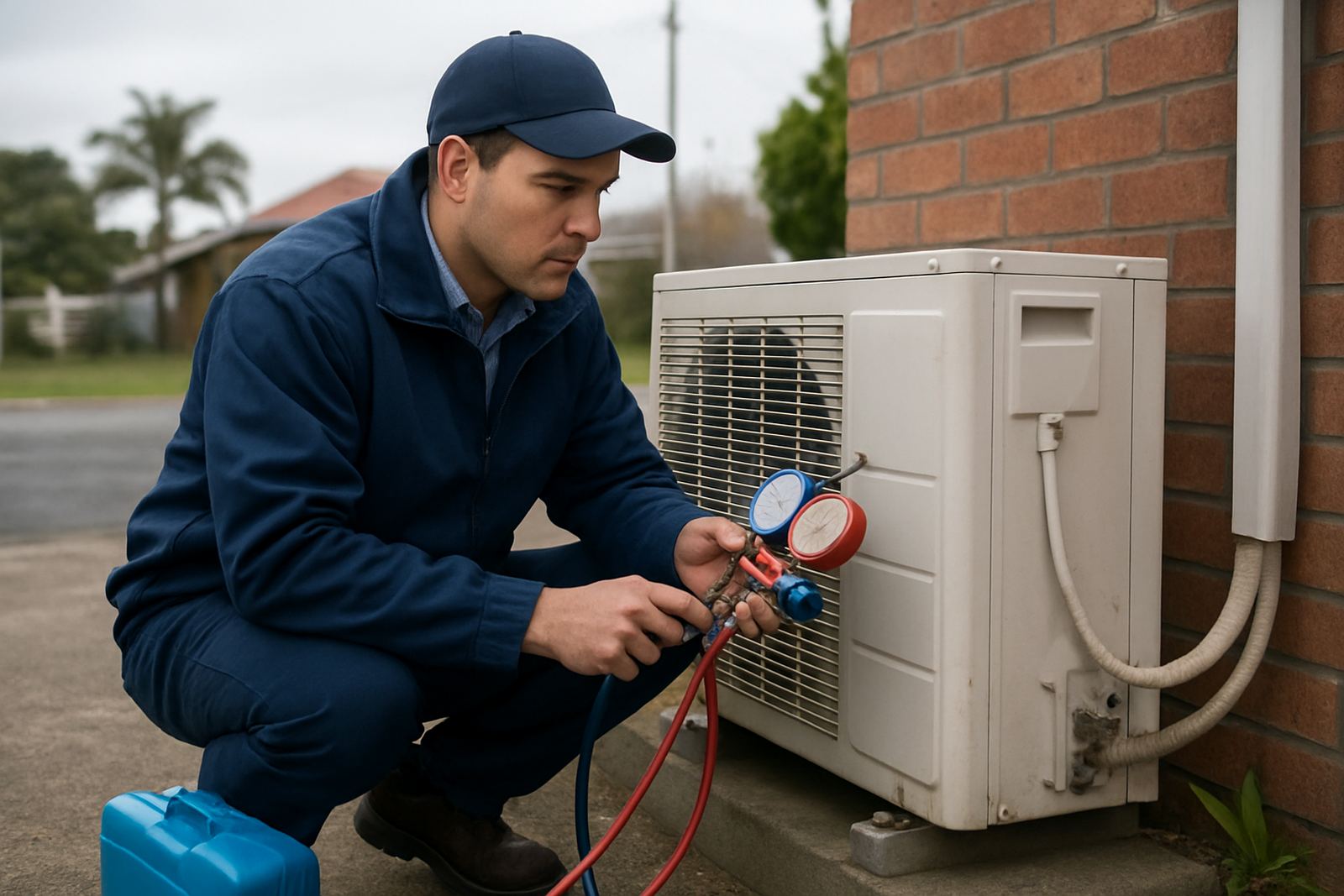
A proper fault finding visit looks at both sides of the system. We check airflow, temperature drop, electrical components, drainage, and gas pressure where needed. That saves time and helps avoid replacing parts that were never the issue. It also stops the common problem of topping up gas repeatedly on a unit that has another fault and loses cooling again in a few weeks.
A Durban example: the office that kept getting warmer
We recently attended a small office in Clairwood where the staff said the aircon was blowing warm air. The first thought was a gas shortage, but the unit had a heavily blocked filter and a tired fan motor that was not pulling enough air through the system. The room was packed with people, computers and afternoon heat from the west, so the poor airflow showed up quickly.
Once the filter was cleaned, the fan motor was repaired and the indoor coil was deep cleaned, the temperature dropped properly again. The customer had been ready to pay for gas, but the real fix was restoring airflow. That kind of issue is common across Durban Central and South Durban, especially in spaces that run units every day and only call for help when cooling has already become poor.
What we check before recommending a repair
Good diagnosis starts with the basics. Our team checks the whole system step by step so the cause is clear before work begins. In many cases, the answer is a combination of small faults rather than one major failure.
- Filter condition and airflow across the indoor unit
- Outdoor condenser cleanliness and fan operation
- Fan motor, capacitor and contactor condition
- Temperature difference between return and supply air
- Drain lines, signs of blockage and water overflow
- Gas level and leak check where cooling performance points to a refrigerant issue
This approach matters in coastal parts of eThekwini, where salt air, moisture and dust can shorten component life. A unit near the harbour side may need more frequent attention than one inland, and a blocked drain can become a bigger nuisance during humid months.
Keeping airflow healthy in homes and businesses
There are a few practical steps that make a real difference. Clean or replace filters on schedule, keep furniture and curtains clear of the indoor unit, and do not run a system with the vents partly closed. If the unit keeps tripping, icing up, or struggling to cool the same space again and again, it needs a proper check instead of another quick reset.
For businesses, planned maintenance is usually cheaper than waiting for a breakdown in the middle of a hot day. Shops, salons, offices and small factories in West Durban and North Durban often need after-hours or low-disruption servicing, because no one can afford a warm room during trading time. Airflow faults are easier and cheaper to fix early, before they damage the compressor or keep the system running flat out for too long.