Why inverter units use power differently
A standard fixed-speed aircon runs at full load until the room reaches temperature, then stops and starts again. Each start pulls a heavier current, and in a hot room the compressor may cycle often. An inverter unit is built to vary speed, so once the space is comfortable it can hold temperature with less sudden power draw. That is where the running cost advantage usually comes from.
The saving is not magic and it is not the same in every building. A small bedroom in Clairwood will behave differently from a front office in Durban Central with glass, afternoon sun and people opening the door all day. The bigger the hours of use, the more the smoother output can help. If a system runs six to ten hours a day, small differences in efficiency start to show on the monthly bill.
When inverter running costs matter most
Inverter technology makes the most sense where an air conditioner runs for long periods. That includes main living areas, upstairs bedrooms, small shops, reception areas, security rooms and light-duty offices. If the unit only comes on for a short burst once or twice a week, the savings are less important than correct sizing and proper installation.
- Homes that cool one room through the evening
- Businesses that keep an office or sales area occupied most of the day
- Buildings where load-shedding makes restart surges more of a concern
- Coastal properties where humidity means the unit works harder to hold comfort
In Durban's humid months, the aircon often removes more moisture than people expect. That extra work can increase power use. An inverter unit can cope better because it does not need to hit full speed every time the room warms slightly.
What actually pushes the bill up
Many customers look at the brand or the technology first, but daily running cost is often driven by the basics. Poor sizing, dirty filters, gas leaks, blocked drains, weak capacitors and bad airflow all make the machine labour more than it should. If the outdoor unit bakes in direct sun or sits where air cannot move properly, power use climbs too.
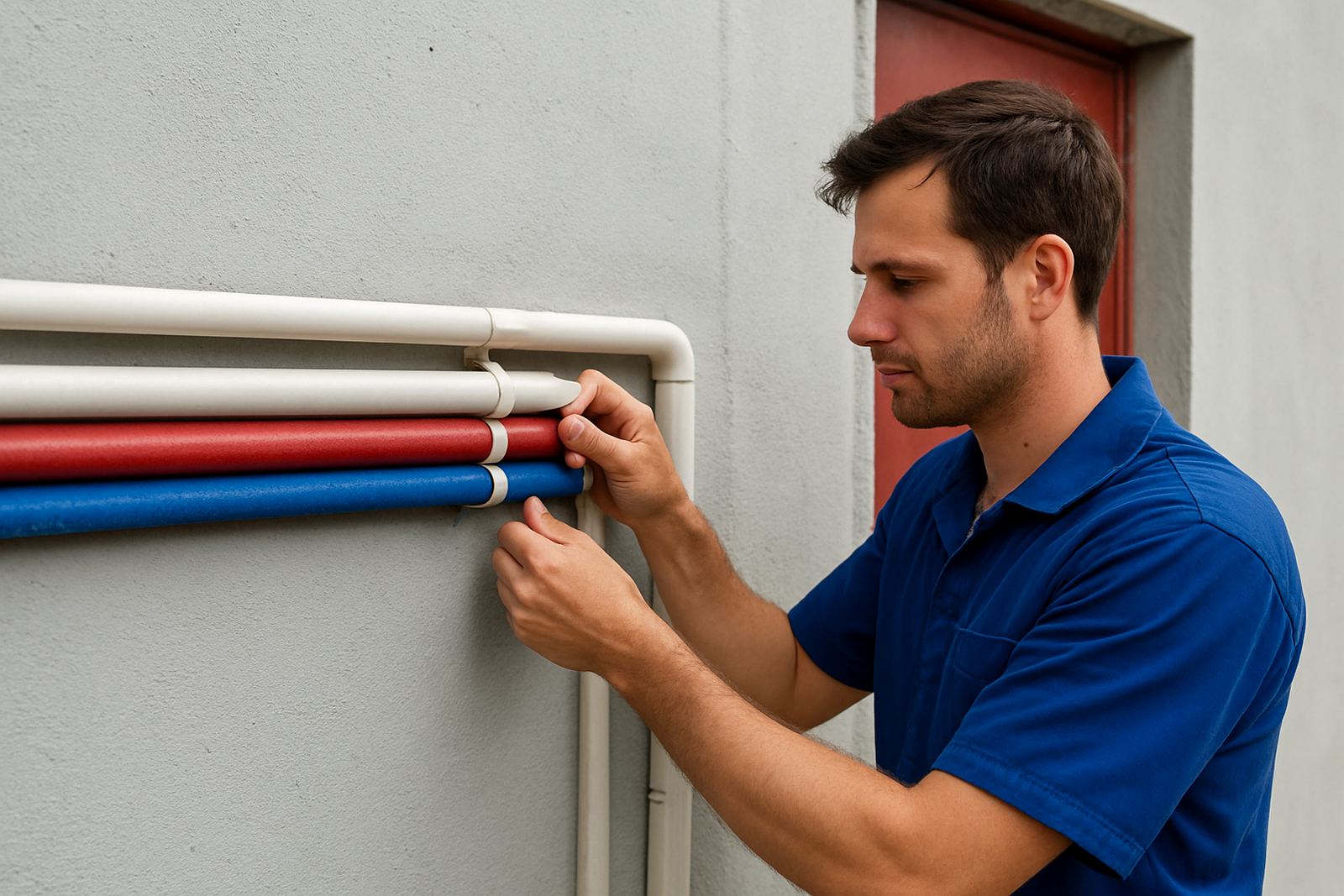
We often see a unit that was supposed to save money but ended up using more because the install was rushed. A pipe run that is too long, badly insulated pipework, or a fan motor that is starting to fail can all affect consumption. Even a small refrigerant loss can mean the compressor stays on longer to do the same job, which pushes up the running cost month after month.
- Dirty filters and indoor coils reduce airflow
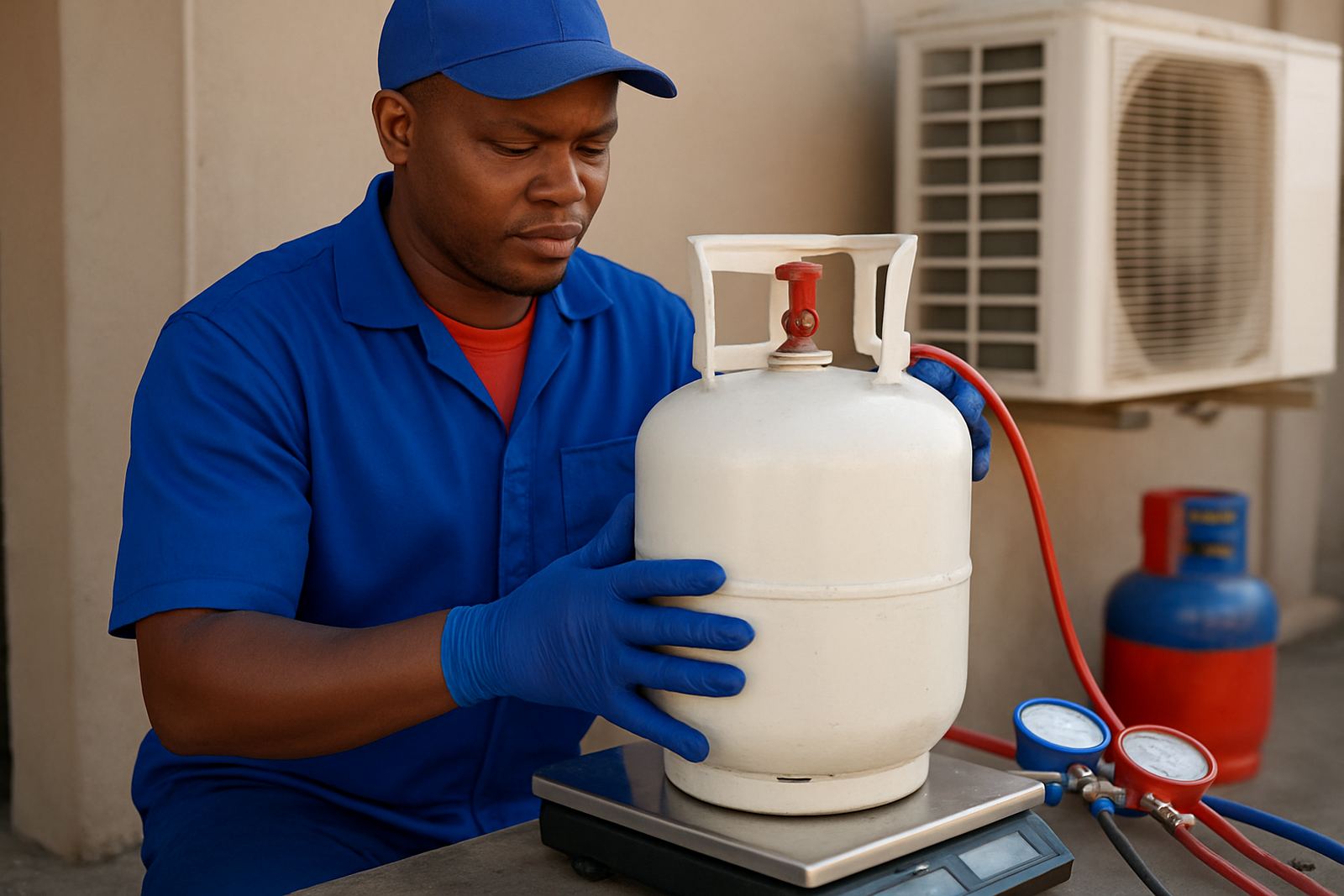
- Low gas levels make cooling slower
- Loose wiring and worn contactors can waste power
- Incorrect thermostat settings cause overcooling
A local Durban example of longer daily use
Take a small administrative office in South Durban that runs air conditioning from 08h00 to 16h30, five days a week. On paper the unit size may look similar to a home system, but the usage is far heavier. Staff come and go, printers add heat, and the coastal humidity means the system keeps working even when the room feels only slightly warm. In that setting, an inverter unit can pay its way because it settles into a lower-speed run once the room is cool, instead of hammering on and off all day.
Now compare that with a guest room in a home in West Durban that is used mostly at night. The unit still benefits from inverter control, but the savings depend more on insulation, sun exposure and how often the room is occupied. This is why one rule never fits every site. A proper site check makes a real differance.
At Aircon Depot in Clairwood, we look at use pattern, room size, glass area, ceiling height and the local supply conditions before recommending a repair or a new install. That approach matters in eThekwini, where a machine may be fighting heat, salt air, dust and load-shedding all in the same week.
Simple ways to keep inverter costs under control
Even a good inverter system will waste power if it is neglected. The aim is not just to buy the right unit but to keep it working at the level it was designed for. That is where planned maintenance and small repairs make a real difference.
- Set the temperature sensibly, usually around 22 to 24 degrees for occupied spaces
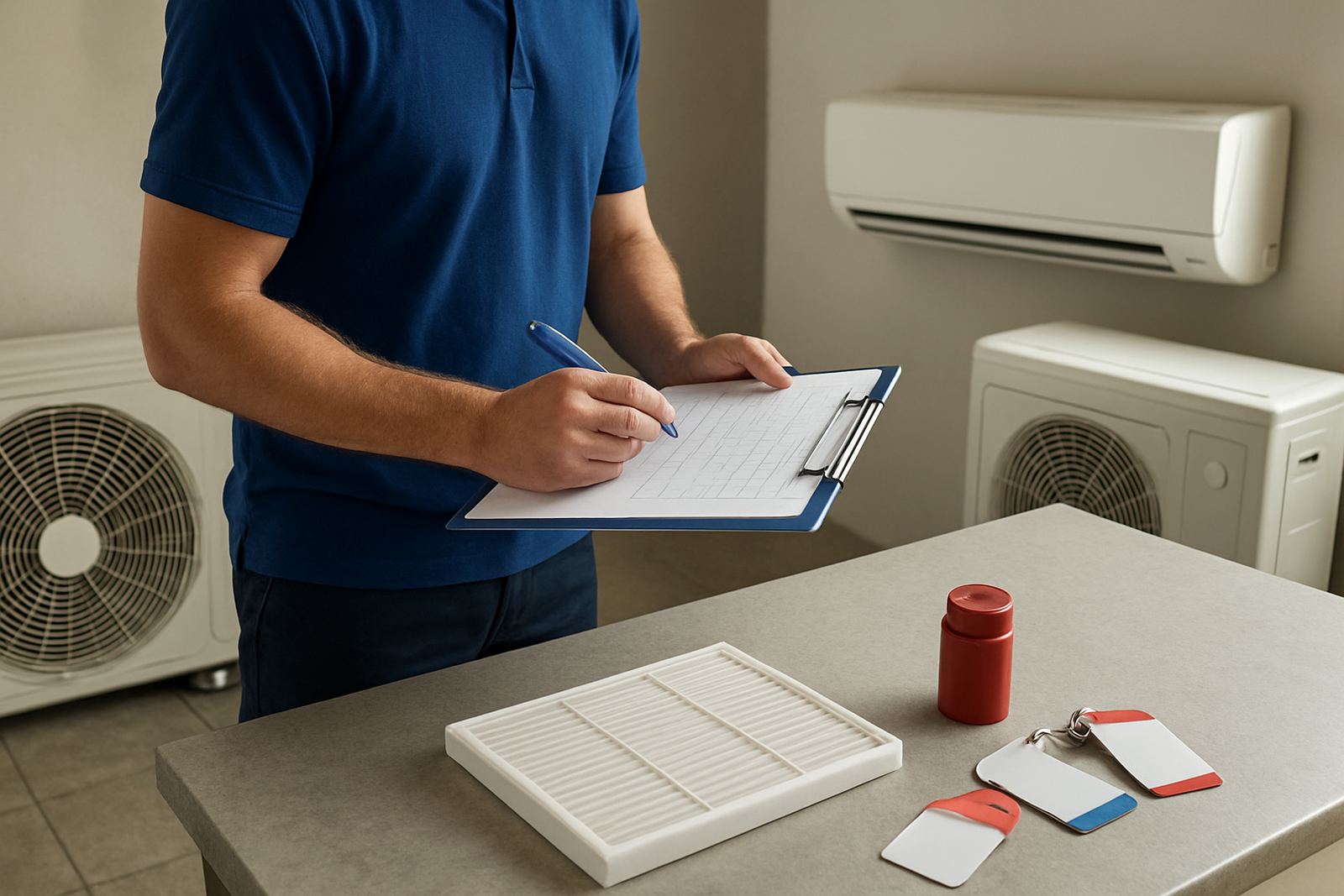
- Keep filters clean so airflow stays steady
- Book leak checks if the unit is taking longer to cool
- Make sure the drain is clear so moisture does not back up into the system
- Have capacitors, contactors and fan motors checked when the unit starts sounding different
- Use the correct gas charge after any repair, not an estimated top-up
For homes and businesses in coastal Durban, corrosion can creep into terminals and casing faster than people expect. A little preventive work often costs far less than a major breakdown, and it helps the unit keep its lower running profile.
When repair is cheaper than replacement
If an inverter system is already installed, replacement is not always the first answer. A trained technician can test the compressor, wiring, control board, sensors and refrigerant circuit before advising on the next step. Many units only need fault finding, a regas and leak check, or a fan motor repair to return to normal operation. In some cases a blocked drain or dirty indoor coil is the real cause of the higher power bill.
We also see systems that were blamed for high usage when the real issue was the room itself. Thin roof insulation, open doors, direct afternoon sun or undersized capacity can all make any unit work too hard. That is why a breakdown call-out should lead to a proper diagnosis, not just a quick reset. If a compressor has failed, or a board has burnt out, then replacement may be the sensible option. But if the unit is simply underperforming, a targeted repair can restore efficiency without the cost of a new system.