Start with the age and service record
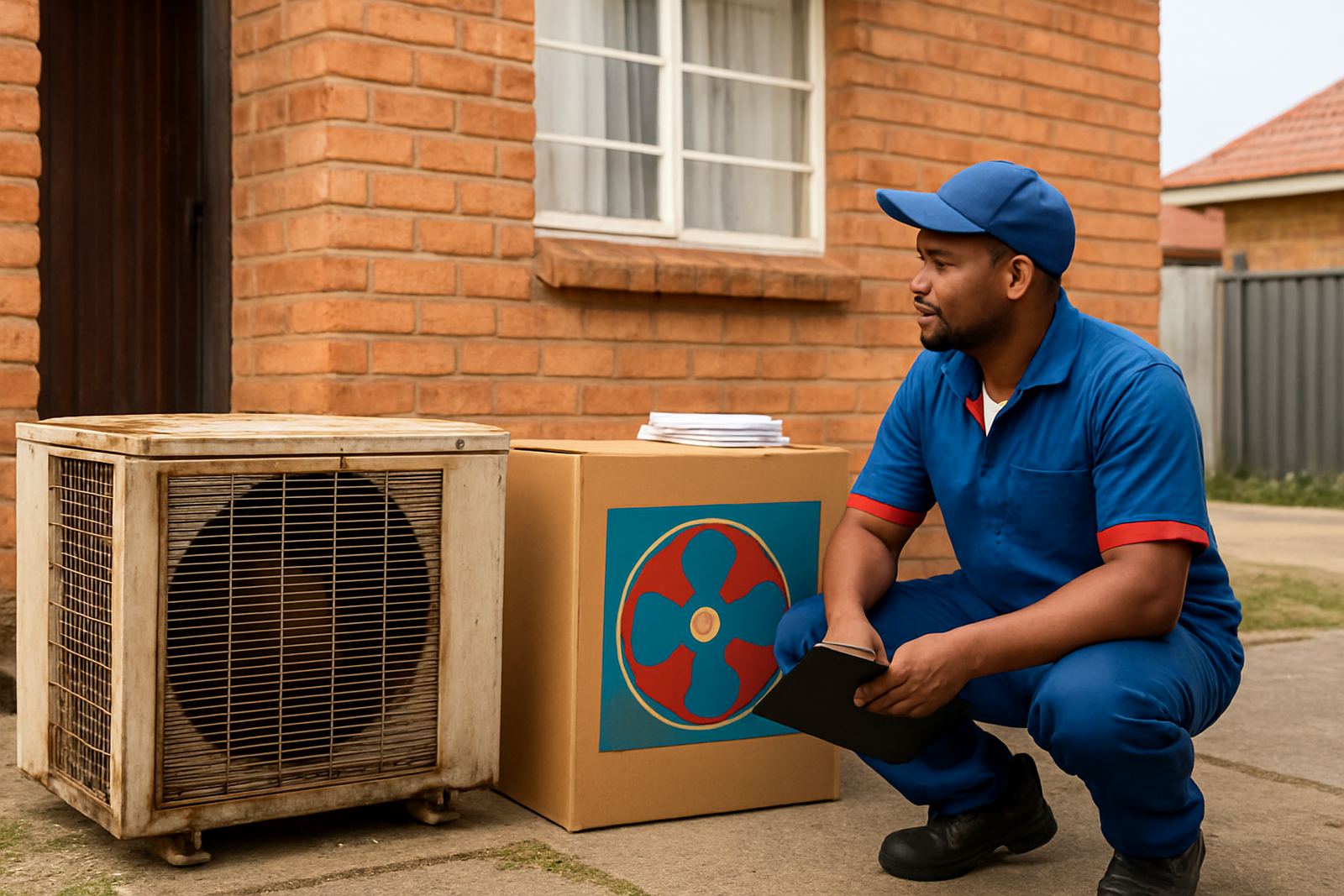
The first question is simple: how old is the unit, and how well has it been looked after? In Durban’s humidity and salt air, a system that is only a few years old can still suffer if filters were ignored, drains blocked, or coils left dirty for too long. A well kept unit may still have years left. A neglected one can start failing much earlier.
As a rule, look closely when a domestic system is past the 8 to 10 year mark, or when a commercial unit has had several major call-outs in a short period. If it has needed a regas, a fan motor, a compressor issue, and control repairs in the last 18 months, the pattern matters. One breakdown can be bad luck. Repeated failures usually point to wider wear.
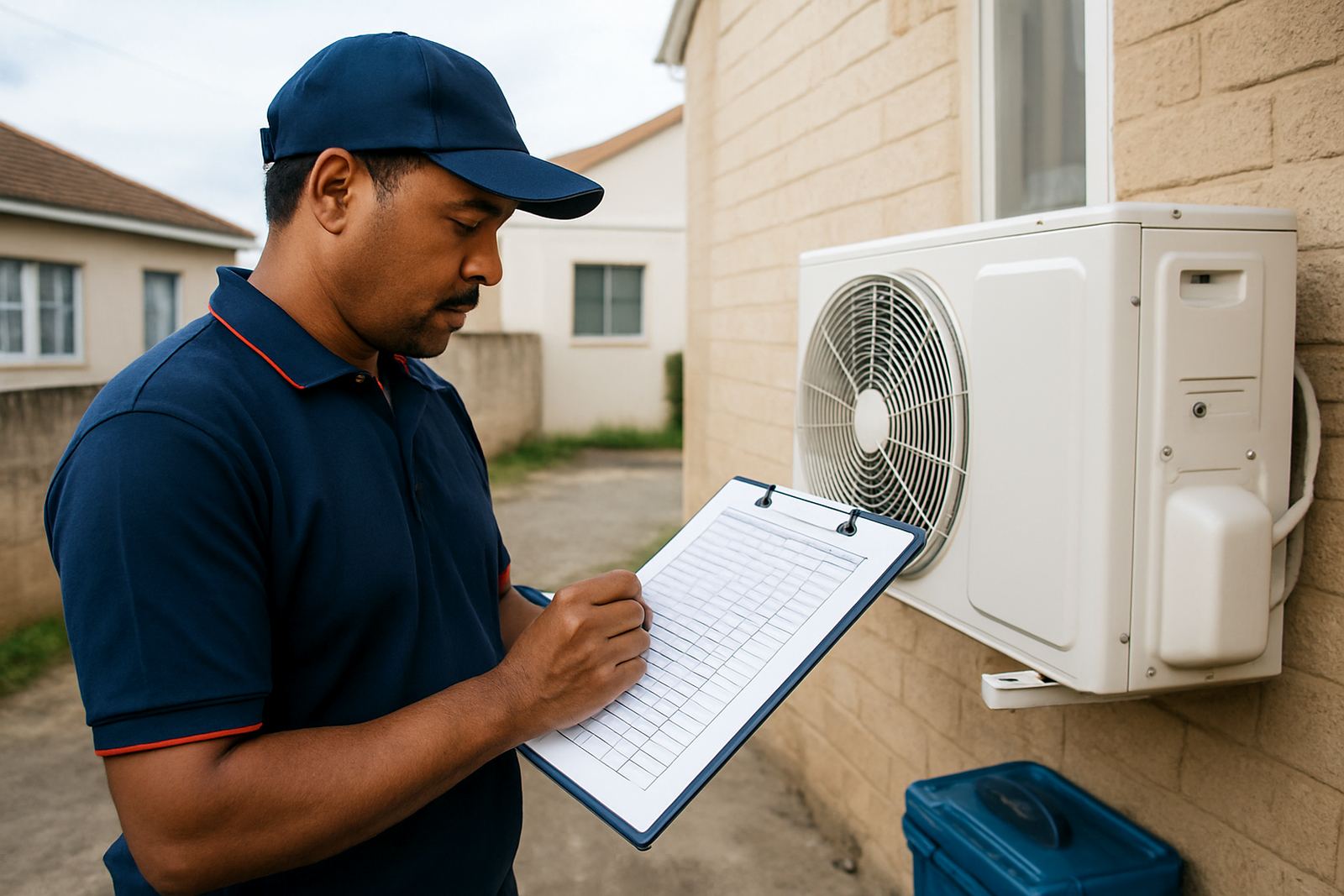
- Check the install date on the indoor or outdoor unit
- Review the last 2 to 3 service slips if you have them
- Count how many times it has failed in the last year
- Ask whether parts were repaired or replaced more than once
Use the repair bill test
Not every fault means replacement. A drain blockage, capacitor issue, contactor fault, or blocked filter is usually worth fixing. But once the quote starts creeping up, it is fair to ask if the money is better spent elsewhere. If a compressor is near the end of its life, or a board and fan motor both need work, the total can rise quickly.
A practical rule is to compare the repair cost with the value of the system and its remaining life. If a repair is more than a third of the price of a newer unit and the system has already had other problems, upgrade talks should start. For larger commercial sites, also add the cost of downtime, spoiled stock, staff discomfort and call-out time. The cheapest repair is not always the cheapest option over 12 months.
- Ask for a clear fault finding report
- Separate small repairs from major component failures
- Include labour, gas, parts and call-out fees
- Compare that total with the cost of a new install
Watch for signs the system is no longer coping
Some faults are more than a one-off breakdown. They tell you the system is struggling to do its job. Rooms that never reach temperature, uneven cooling, unusual vibration, or frequent icing can mean the unit is working too hard. If it runs for long hours and still leaves the space uncomfortable, you may be paying for poor performance, not proper comfort.
In Durban, this often shows up during hot humid spells when older systems battle to pull moisture out of the air. A unit that was fine years ago may now be undersized for the space after a shop layout change, partitioning, new equipment, or extra people in the room. If the system is too small, no repair will turn it into a bigger unit.
- Does the aircon cool the room within a reasonable time?
- Is the temperature even from one side of the room to the other?
- Does the unit switch off, ice up, or trip often?
- Has the space changed since the unit was first installed?
Check running costs and load-shedding strain
Older systems usually draw more power than newer ones, especially if coils are dirty, gas levels are off, or controls are tired. That matters in homes and businesses already managing load-shedding, where every extra kilowatt has a cost. If a unit runs longer to achieve the same result, it may look like a small issue but its effect on the bill adds up month by month.
Another point is start-up strain. Units that struggle after each outage can trip, fail to restart, or put more wear on compressors and capacitors. If the property sees regular power interruptions, a newer system with better control can reduce frustration and help protect equipment. On sites with generators or changeover systems, it also helps to know whether the current aircon can restart reliably after each switchover.
- Compare electricity bills over the last few summer months
- Ask whether the system restarts cleanly after outages
- Check if the unit runs longer than it used to for the same room
- Consider whether better controls or zoning would help
When repair still makes sense
Repair is still the right call when the fault is local and the unit is otherwise in good order. A blocked drain, dirty deep clean, faulty capacitor, stuck contactor, or fan motor issue can be handled without replacing the whole system. The same goes for some leaks, provided the source can be found and fixed properly. If the rest of the unit is sound, you may get good service for years after a proper repair.
It also makes sense to repair if the room size still suits the unit, the install is sound, and the system has not had repeat failures. Planned maintenance can make a big difference too. Many avoidable breakdowns in Clairwood, South Durban and Durban Central come down to skipped cleaning, neglected filters, or drains left to clog. A good service can buy time while you plan a future upgrade, or confirm that the current unit is still worth keeping.
A simple upgrade checklist before you decide
If you are on the fence, use a clear checklist before signing off another repair. This keeps emotion out of the decision and helps you compare apples with apples. It also gives your technician the right information, so the advice is based on the actual condition of the system and not just one symptom.
- Is the unit over 8 years old?
- Has it had two or more major faults in the past 24 months?
- Is the repair bill above a third of replacement value?
- Does the unit still cool the space properly?
- Has the room use changed since installation?
- Are power cuts and restarts causing extra wear?
- Would a newer system reduce running costs or downtime?
If most of those answers are yes, replacement deserves a serious look. If most are no, a proper repair and maintenance plan may be the better spend. Either way, the aim is the same: steady cooling, fewer call-outs, and a system that suits the space.