Start with a sensible temperature range
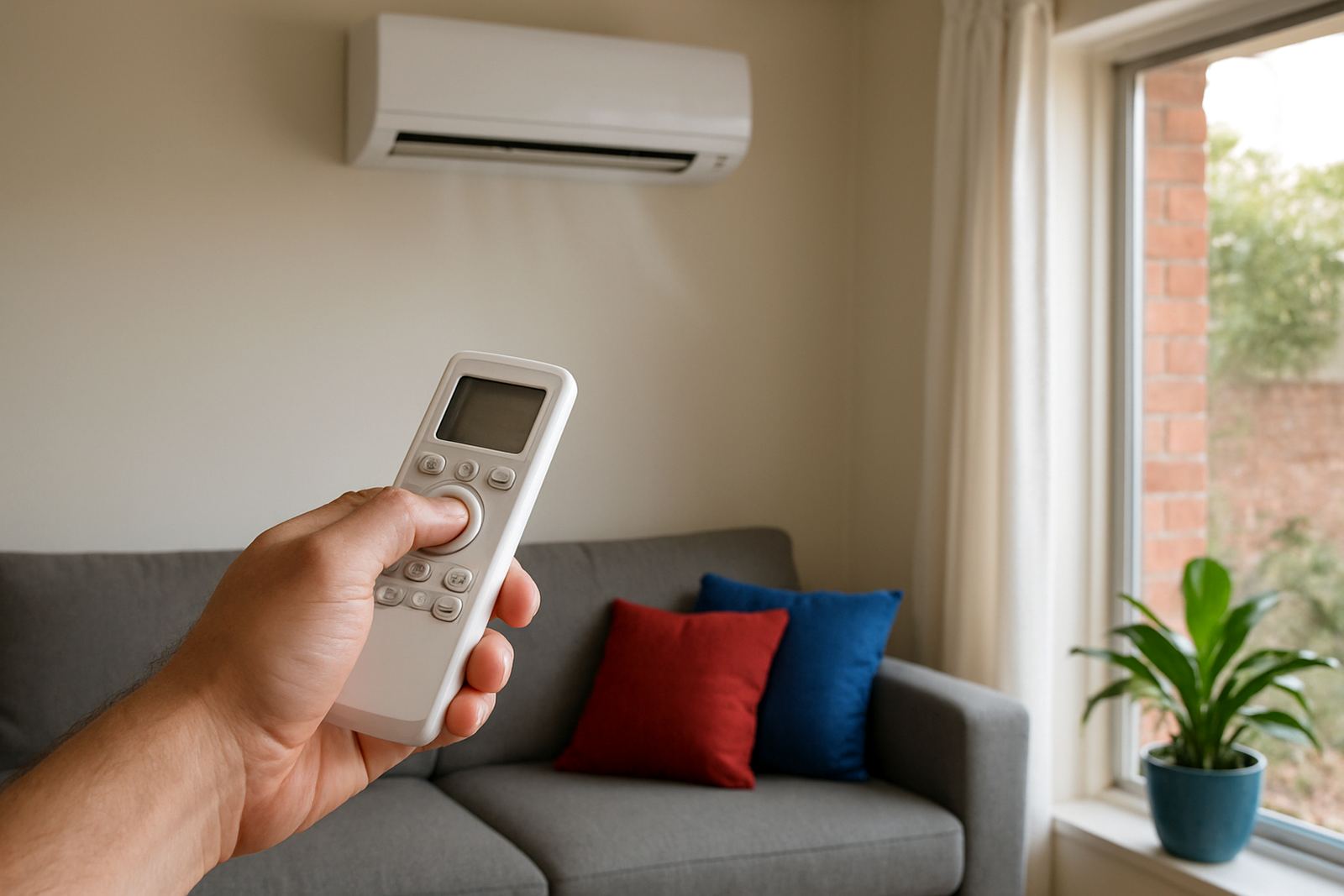
For most homes and offices in Clairwood, Durban Central and the wider eThekwini area, a target of 22 to 24 degrees C is usually comfortable once the room is occupied. Set it too low and the unit runs longer, the indoor air feels drier than needed, and electricity use climbs quickly.
If the room is full of glass, gets afternoon sun, or the doors open often, aim for the upper end of that range first. In a small room with good shade and a closed door, 23 degrees C is often enough. The goal is steady cooling, not cold air blowing at you all day.
Use fan speed to move air, not to force cooling
Fan speed affects how quickly cooled air spreads through the space. Low or medium fan is usually better for everyday use because it gives quieter operation and more even comfort. High fan can help when a room is hot at startup, but leaving it there all day often wastes power and can create a draught.
In open-plan offices and shops, use the fan to mix air across the whole area. In a bedroom or small meeting room, a lower fan setting is normally kinder and more stable. If the room cools unevenly, check the airflow path before turning the temperature down further.
A simple daily setup that works in Durban heat
On a hot, humid day the unit works harder just removing moisture from the air. That means your settings should help it settle quickly instead of battling all day. A practical starting point is 23 degrees C with fan on auto or medium, then adjust once the room has been occupied for 20 to 30 minutes.
- Close windows and external doors before switching on.
- Draw blinds or curtains on the sun side of the building.
- Keep indoor doors open only if the system is sized for that space.
- Check that furniture is not blocking the supply or return air.
- Set the temperature once, then leave it alone for a while.
What to do before you touch the thermostat again
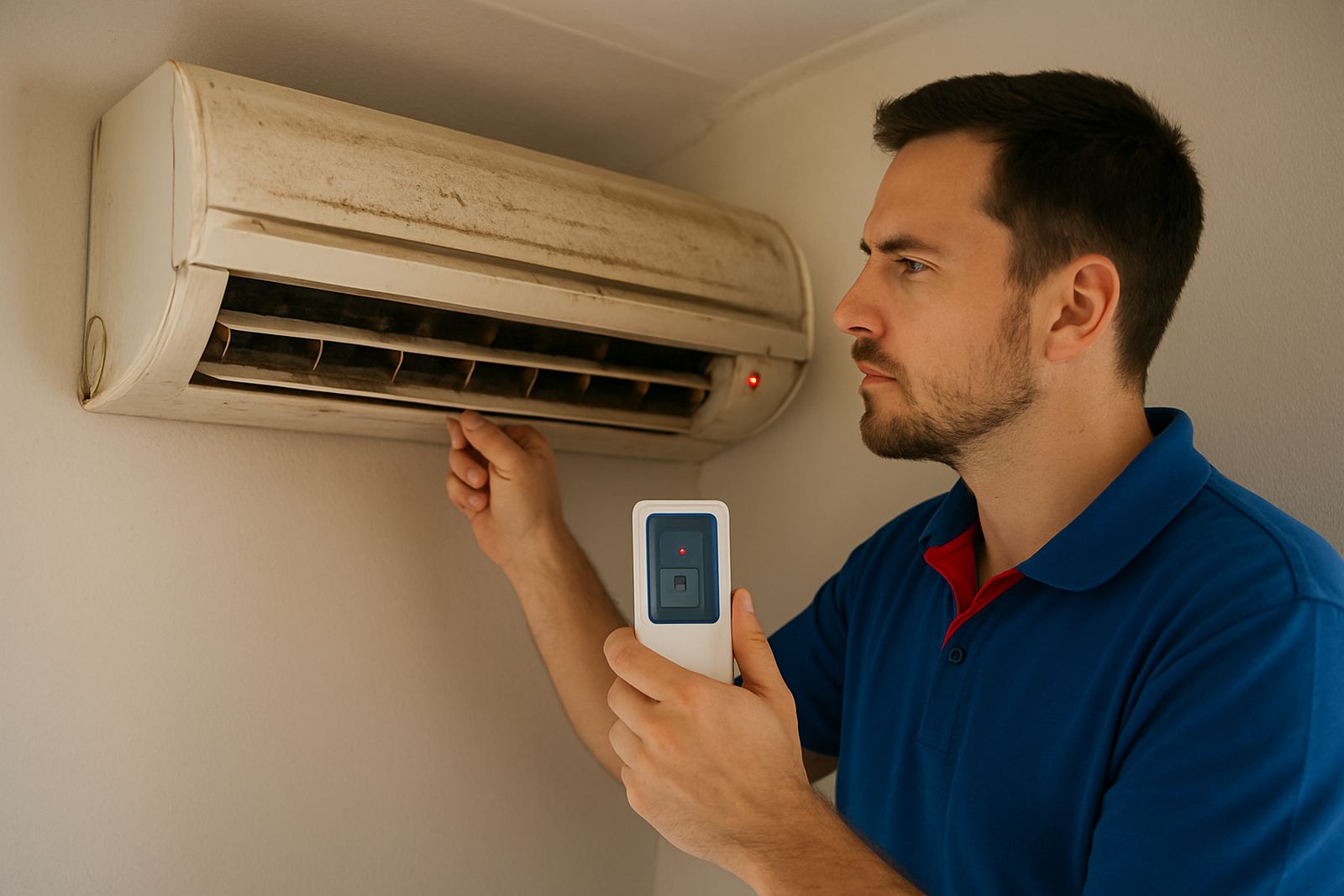
Many cooling problems are not caused by the settings. A unit may be set correctly but still struggle because of dirty filters, a blocked drain, low gas, or poor airflow around the outdoor unit. Before you lower the temperature again, look at the basics first.
- Clean or wash filters if they are dusty.
- Make sure the indoor unit is not blowing onto a wall or cabinet.
- Check that the outdoor unit has space around it and is not clogged with dust or leaves.
- Look for dripping water, ice on the pipes, or weak airflow.
- If the unit short-cycles, smells musty, or takes too long to cool, book a fault check.
Settings for homes, shops and offices
Different spaces need different habits. In a home, comfort usually matters most in the evening and overnight, so a steady setting and a quiet fan are useful. In a shop or office, people move in and out, so the system must recover quickly without being turned down far below the room temperature.
For businesses in Durban and South Durban, planned maintenance is important because dust, humidity and repeated use all add strain. If the unit runs from morning to late afternoon, have the filters checked regularly and make sure the controls are accurate. Small control faults can lead to big waste, especially when the temperature is reset again and again during the day.
When load-shedding and power returns, reset the unit properly
After a power cut, many systems come back in a default mode that is not ideal for the room. Give the unit a minute to restart properly, then check the mode, temperature and fan before you let it run. If power returns while the room is already hot, resist the urge to set it to the lowest possible temperature.
That approach only pushes the compressor harder and usually does not cool the room faster. Set a fair target, keep the doors closed, and let the unit settle. If the system struggles to restart, trips the breaker, or blows warm air after power returns, it may need a technician to check the controls, capacitor or compressor start components.
When proper settings are not enough
If the room is still uncomfortable at sensible settings, there is usually another cause. Common issues include low refrigerant, a dirty indoor coil, a faulty fan motor, blocked drainage, poor installation, or worn electrical parts. In coastal Durban, corrosion and moisture can also affect terminals and contactors over time.
That is where a proper fault finding visit helps. We handle domestic and commercial cooling across Clairwood, Durban Central, North Durban, West Durban and greater eThekwini, including regas and leak checks, deep cleaning, compressor replacement, fan motor repair, drain blockages and planned maintenance. If your unit needs more than a setting change, get it checked before the small issue becomes a bigger repair.