Start with how the system is used every day
Begin with the basics: who uses the aircon, how many hours it runs, and whether the area must stay cool all day. A small office in Clairwood with a few split units needs a different plan from a retail space in Durban Central, a restaurant in South Durban, or a server room that cannot warm up even for an hour.
As a rule, the more hours a unit runs the more often it needs cleaning, inspection and gas leak checks. Units that run only in peak summer may manage with less frequent visits, but once they are switched on after months of sitting idle, blocked drains and weak capacitors often show up. For systems under constant use, a planned service can save you from emergency call-outs when the weather turns or load-shedding hits again.
Match the plan to dust, salt air and local conditions
Durban air is not gentle on air-conditioning. Coastal humidity, salt in the air, traffic dust and building work all affect filters, coils and drain pans. In industrial parts of South Durban, or anywhere near a workshop, filters clog faster and condensate drainage often needs closer attention.
If your premises are near the harbour, on a main road, or close to construction, choose a tighter service cycle. For many businesses, that means quarterly attention for high-use units and twice yearly for lower-use spaces. A clean system uses less power, cools quicker and keeps compressor strain down.
- Coastal sites: check for corrosion on brackets, fins and electrical contacts
- Dusty sites: shorten filter cleaning intervals
- High humidity sites: inspect drains and traps to prevent overflow
- Power-sensitive sites: check capacitors, contactors and restart performance after outages
Use criticality to decide what can wait and what cannot
Not every aircon failure carries the same risk. In a boardroom, a comfort issue is inconvenient. In a pharmacy, call centre, data space or food storage area, a breakdown can stop work or spoil stock. That is why critical systems need a tighter maintenance schedule, plus faster breakdown support when something changes.
Ask one question: if this unit stops tomorrow, what is the cost by lunchtime? If the answer includes lost sales, sick staff, damaged goods or customer complaints, the system should sit on a planned maintenance contract rather than waiting for faults. Critical systems also benefit from regular fault finding, because small control problems often show up before a full stop.
A practical checklist before you choose a plan
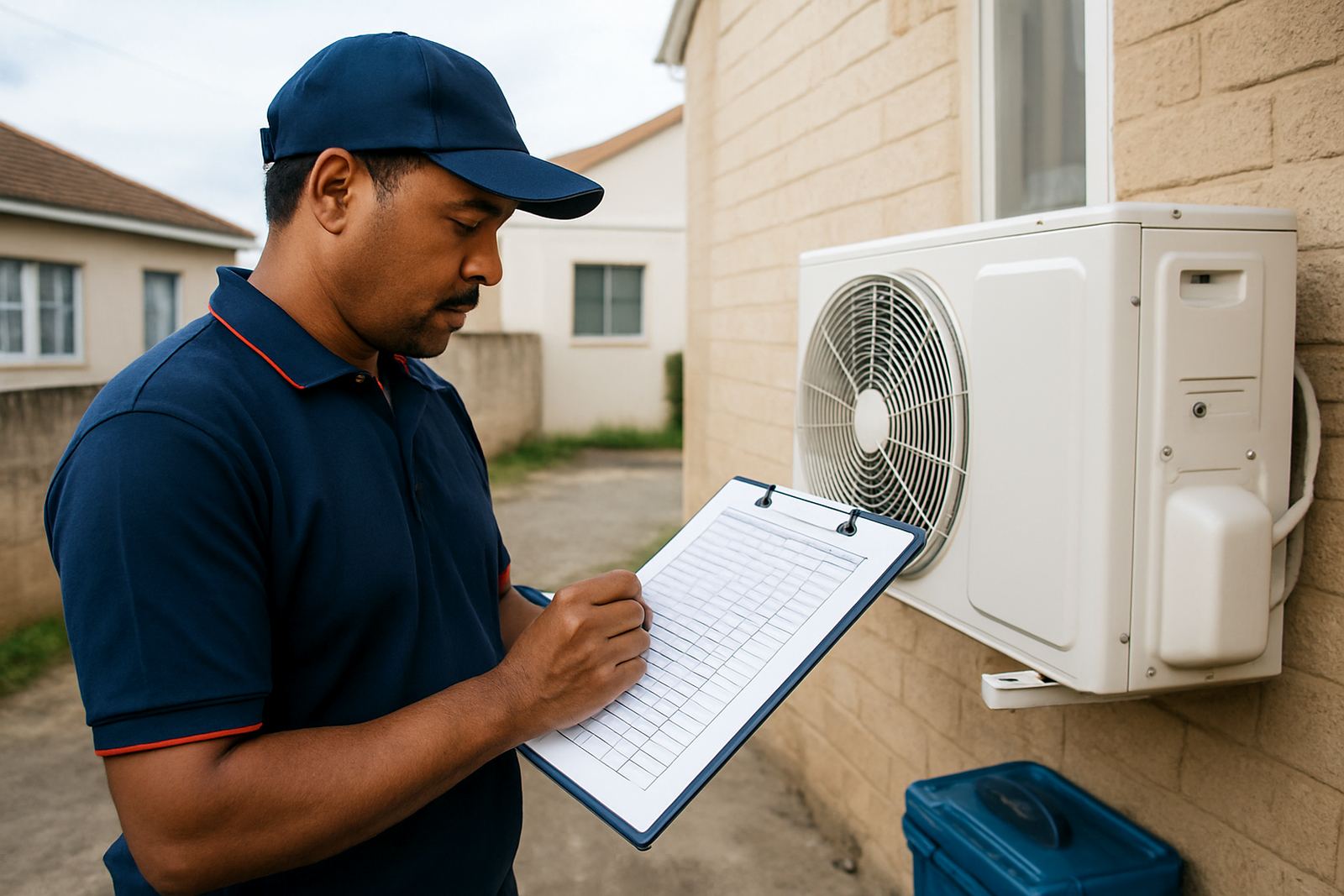
Before signing off a service frequency, walk the site and note which units struggle, which rooms run hot and which areas collect dust fastest. Then check whether the team reports any strange noise, dripping, bad smells or uneven cooling. That simple review gives a better picture than guessing once a year.
- How many units are installed and where they are located
- Average daily run time per unit
- Any unit that leaks, trips or fails to start after outages
- Areas with grease, flour, dust or salt exposure
- Whether access is easy for ladders, rooftops or high wall mounting
- Any history of gas loss, compressor issues or drain blockages
Once you have that list, you can decide whether you need monthly checks, quarterly service, or a twice-yearly plan for lighter use areas. A proper plan should cover cleaning, electrical inspection, regas and leak check where needed, and a full report on what needs attention next.
What a good maintenance visit should include
A proper maintenance visit is not just a quick wipe-down. It should cover filters, coils, drains, electrical parts and system operation under real working conditions. If a technician only checks one or two items, the same fault may come back before the next visit.
At Aircon Depot, planned maintenance can include deep clean service, controls repair, drain blockage clearing, capacitor and contactor checks, fan motor review, and gas pressure assessment. For units that struggle in summer or after power cuts, that extra detail helps catch problems early. It also gives you a service record you can use for budgeting and compliance.
- Clean filters and indoor coils
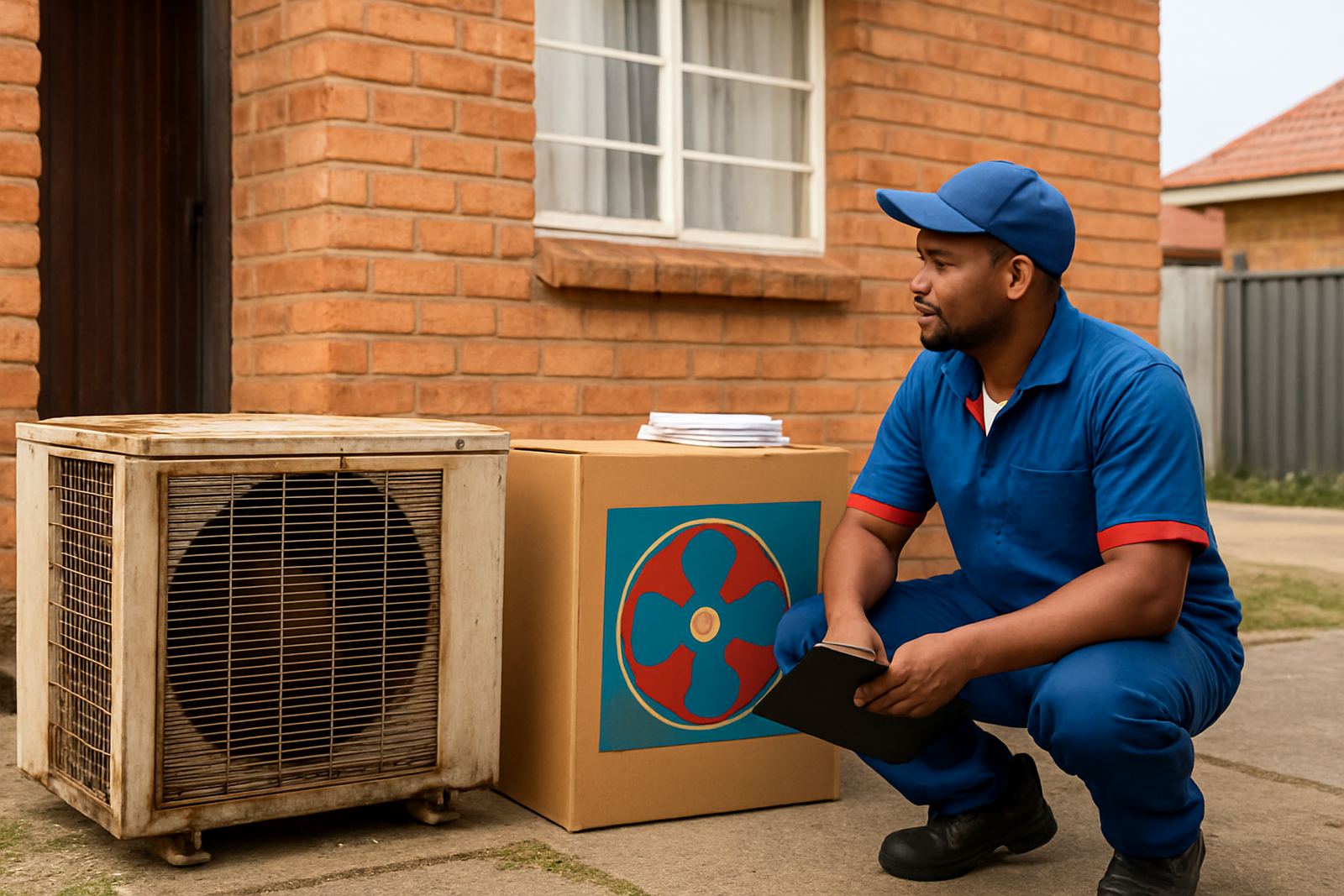
- Inspect outdoor units for corrosion and blocked airflow
- Test drain lines and clear buildup
- Check electrical connections, capacitors and contactors
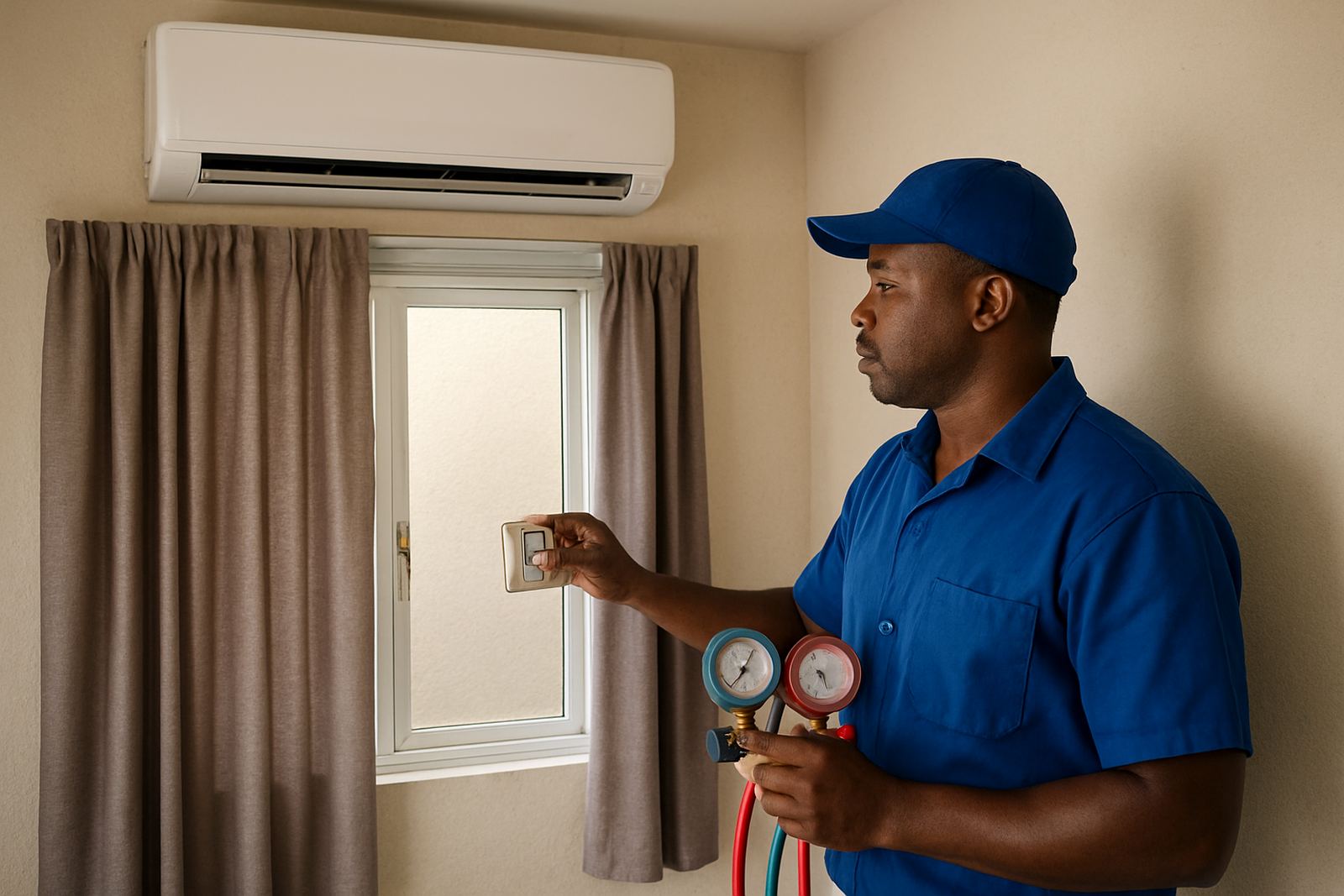
- Verify temperature response and thermostat control
- Log any leaks, noise or vibration for follow-up
When to move from reactive repairs to a plan
If you are phoning for breakdown call-outs every few months, the unit is already telling you it needs scheduled attention. Frequent regassing, repeated tripping, weak airflow or water leaks usually point to an underlying issue that a once-off repair will not solve on its own. It is cheaper to plan around the fault than to keep paying for emergency visits.
This is especially true for businesses across greater eThekwini where weather, load-shedding and long operating hours all work against the equipment. A maintenance plan gives you set visits, known costs and better control over spare parts. It also means when a compressor replacement or fan motor repair is needed, you are not starting from zero.
How Aircon Depot helps you choose the right level of cover
Aircon Depot is based in Clairwood, Durban and works across Clairwood, Durban Central, South Durban, North Durban, West Durban and the wider eThekwini area. Since 2008, our team has supported domestic and commercial systems with installations, repairs, spares and gas supply, so we know how local conditions affect performance over time.
We can look at your site, talk through the usage pattern and suggest a maintenance frequency that suits the building not just the equipment. Whether you manage a small office, a retail site or a larger commercial property, our team can line up planned maintenance with breakdown support when needed. If you are unsure where to start, send your details to depot@aircondepot.co.za and we will help you work out the right plan.