Why salon cooling needs a different plan
A salon is not a normal shop. People sit close together, dryers and straighteners throw extra heat into the room, and doors open often as clients come and go. In Durban that load is even heavier because of the humidity, so a unit that is too small will run flat out and still leave the room sticky. A system that is too big can short cycle, waste power and leave the space feeling cold in bursts rather than steady and comfortable.
For salons in Clairwood, Durban Central, South Durban and the wider eThekwini area, the aim is steady cooling with low noise and neat pipe routes that do not spoil the look of the space. We look at floor area, ceiling height, glass frontage, the number of stations, where the dryers sit and whether there is a treatment room, wash basin area or stock room. That lets us match the unit to the work being done, not just the square metres on paper.
Typical equipment we see in salons
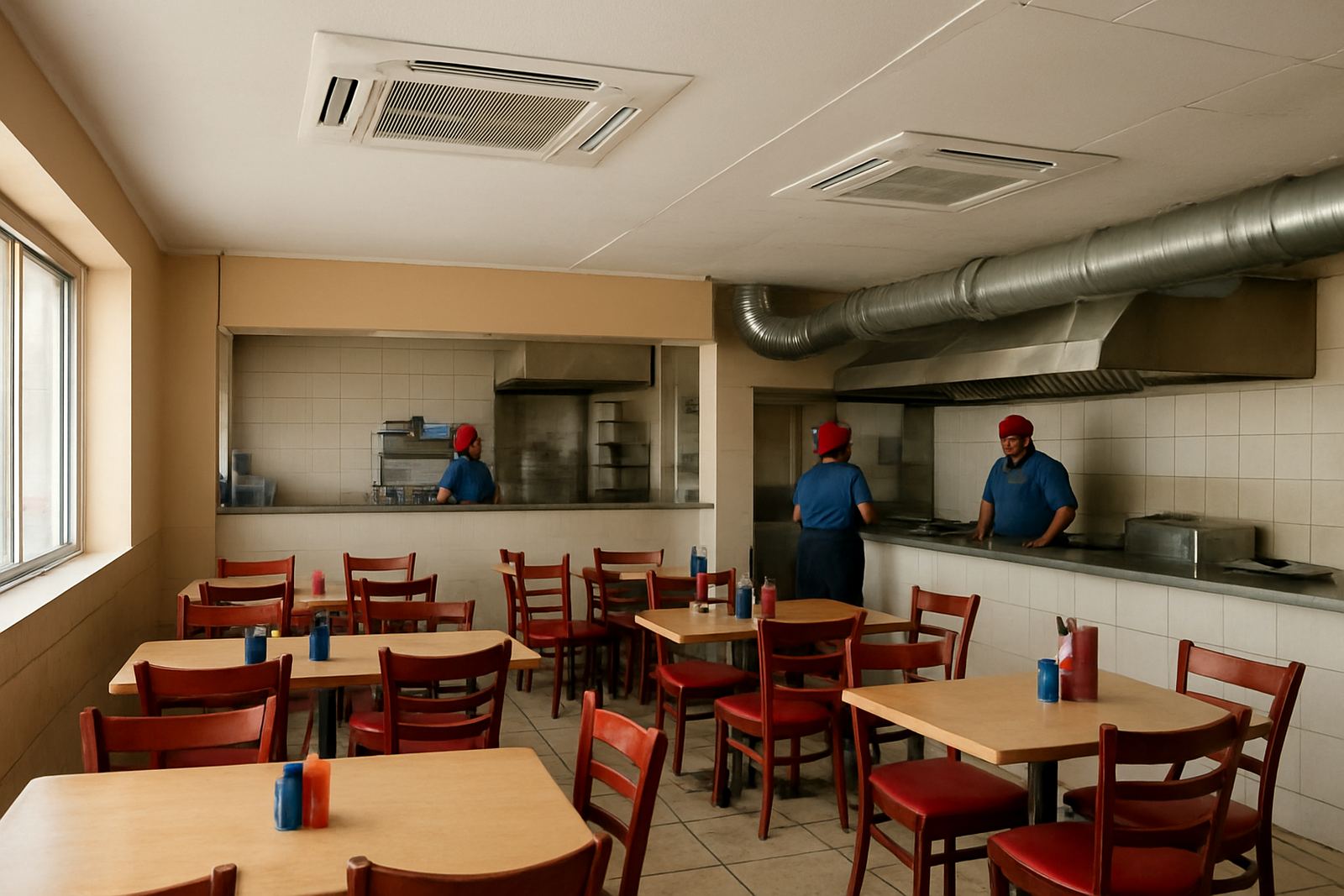
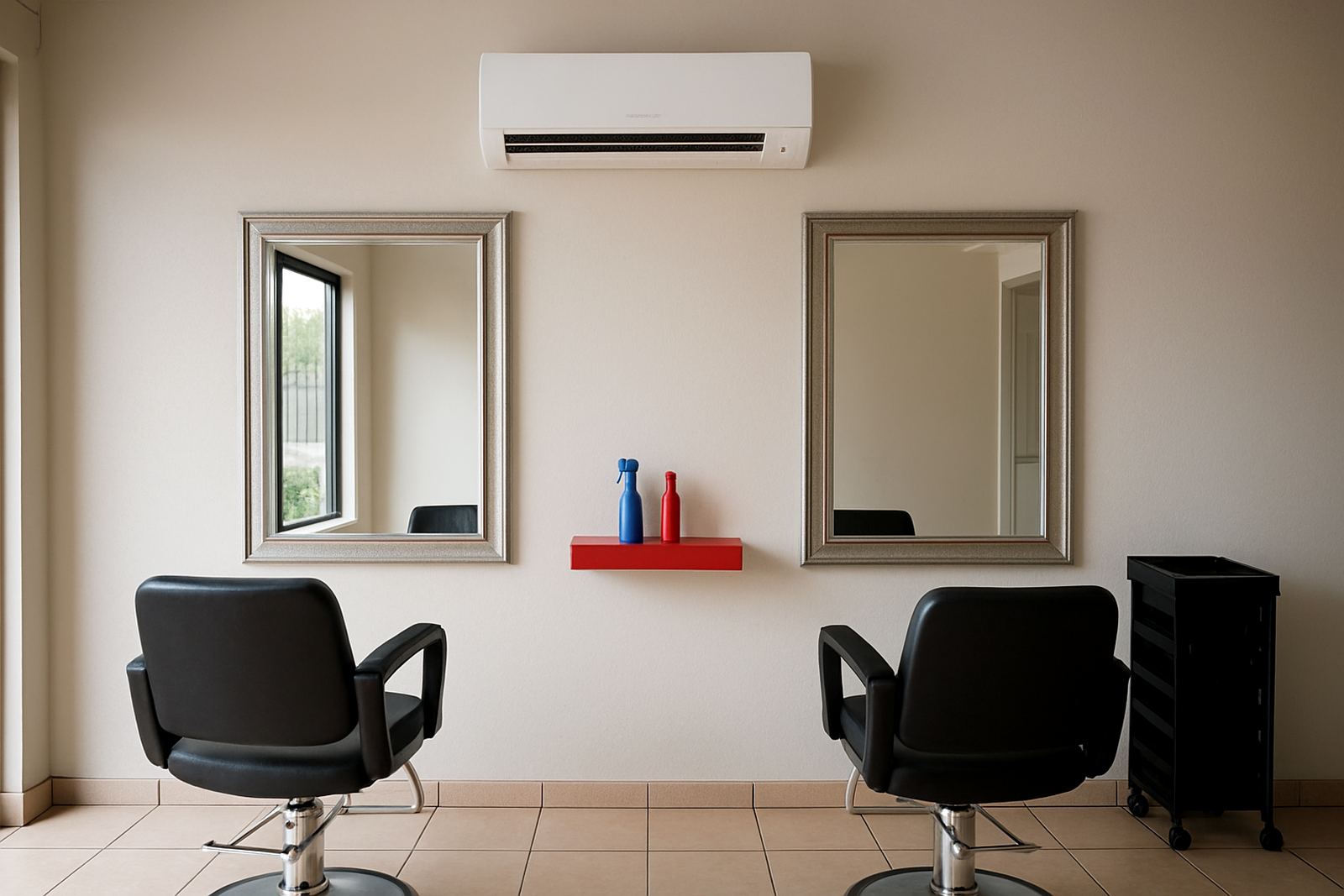
Most salons do well with wall mounted split units in the treatment and styling areas, plus a separate unit for a reception or retail section if the layout is open. Small offices or stock rooms may use a compact unit on a separate circuit. In larger salons, a ducted or cassette style setup can help spread air more evenly across the floor, especially where mirrors and stations are arranged in rows.
We also see common issues around power supply and drainage. A salon with several heat-producing appliances may need a better electrical plan, and the condensate drain must be routed properly so it does not drip onto flooring or signage. In coastal Durban, salt air and moisture can shorten component life, so corrosion resistance and regular servicing matter more than many owners expect. A unit that is not maintained becomes noisy, less efficient and more likely to fail on a hot Saturday afternoon.
- Wall mounted split units for styling floors and treatment rooms
- Cassette or ducted units for open-plan salons with multiple stations
- Separate cooling for reception, retail or admin areas
- Proper drain routing to avoid leaks onto tiles or plaster
- Electrical checks for overloads and nuisance tripping
Layout and planning that keeps clients comfortable
Good salon cooling starts with where the air blows. A unit aimed directly at chairs can make clients uncomfortable while their hair is being cut or coloured. We plan for even throw across the room, with return air paths that allow the system to breathe. Mirrors, shelving and ceiling bulkheads can all affect airflow, so placement needs to be considered before the unit goes up.
Noise is another practical issue. A loud indoor unit can make consultations awkward and force stylists to repeat themselves. Quiet operation matters in salons because customers are already sitting still for a long time. If you run more than one treatment area, zoned cooling can help you keep the main floor comfortable without overcooling small rooms. It also gives you better control during load-shedding recovery when the power comes back and everything starts up at once.
We often advise salon owners to think about future changes too. If you may add more chairs, a nail area or a barber corner later, it can be worth allowing for extra capacity or a second unit now rather than opening ceilings again later.
Common mistakes that cost money later
One of the biggest mistakes is buying by horsepower or by habit, instead of by the actual heat load in the salon. Another is letting the installer squeeze pipework around fittings without checking service access. When filters, drains or wiring become hard to reach, maintenance is delayed and small issues turn into breakdowns. We also see units placed too close to the front door, where hot air and dust enter every time a client comes in.
Ignoring maintenance is expensive in a salon because downtime affects the whole trading day. A blocked drain can drip onto product shelves or floor tiles, while a dirty indoor coil can reduce cooling and push humidity up. If the salon is in a busy road or near the coast, deep cleaning should be scheduled more often because dust and salt build up faster than many owners expect. When a system starts smelling musty, rattling or using more electricity than normal, it is time for a check not later when it fails.
- Choosing a unit that is too small for the number of stations
- Placing air flow directly onto clients or mirrors
- Skipping proper condensate drainage
- Using one unit for areas that need separate control
- Leaving filters and coils unserviced for too long
Repairs and call-outs for busy trading hours
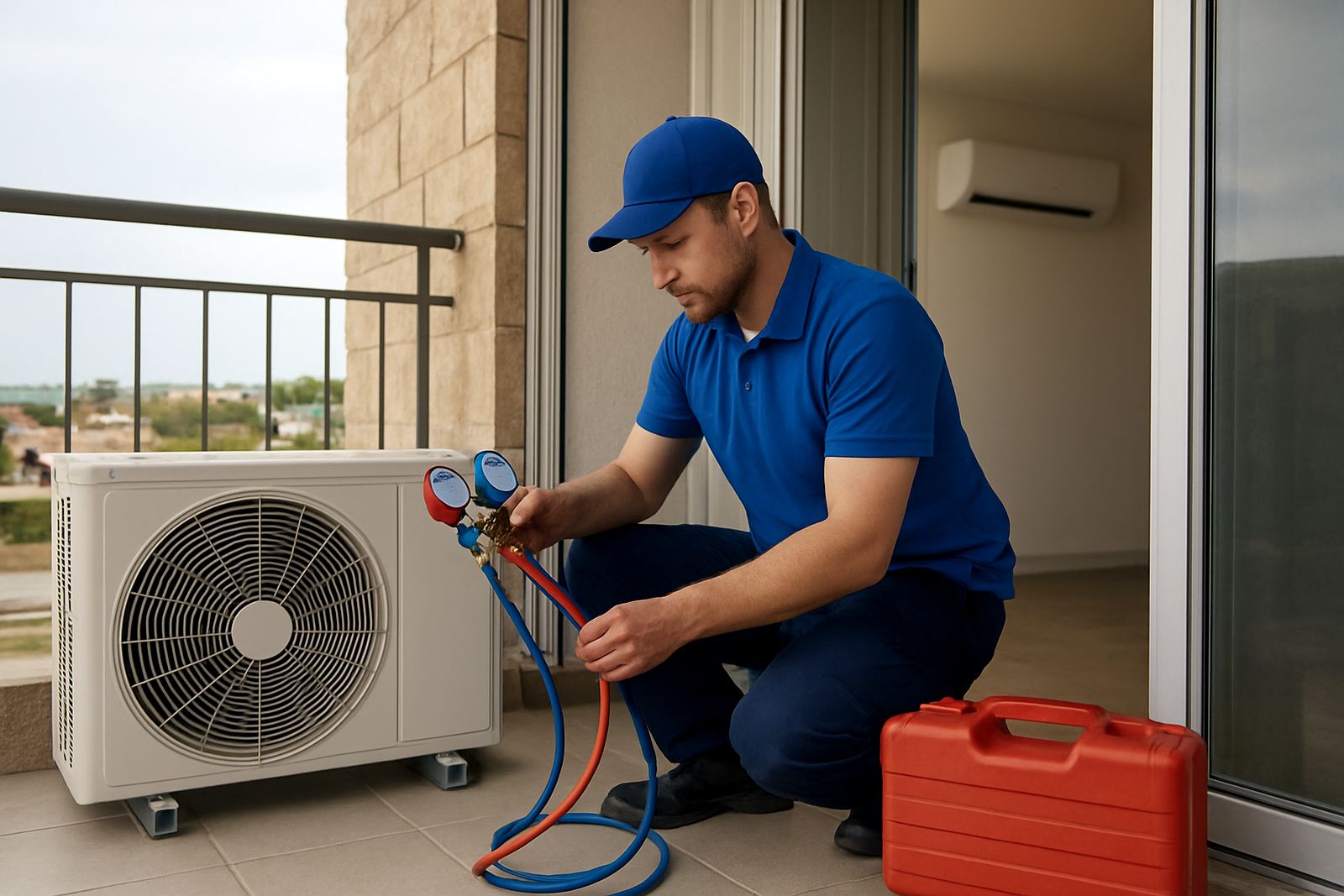
Our team handles fault finding, regas and leak checks, compressor replacement, fan motor repair, capacitors and contactors, drain blockages, deep clean service, planned maintenance, controls repair and breakdown call-out. For salons, speed matters because a broken unit can quickly affect client comfort and staff concentration. We aim to diagnose the fault properly the first time so you are not paying for repeated visits.
If a system has lost gas, we check for the leak before any regas work. If the fan is weak or noisy, we test the motor and related components, not just the symptom. If controls are not responding, we look at wiring, sensors and contactors. This approach saves money over time and helps prevent the cycle of temporary fixes. Kavitha Naidoo and the Aircon Depot team work from Clairwood and service Durban Central, South Durban, North Durban, West Durban and the greater eThekwini area.
Budget ranges for salon air conditioning in Rand
Costs depend on size, ceiling height, access for installation and whether electrical upgrades are needed. A small salon with one or two styling stations may only need a single split unit, while a larger open plan space could need two or three indoor units, or a more detailed zoning setup. In Durban, pipe runs and drainage routing can also affect the final price, especially where the ceiling is tight or the outdoor unit must be placed carefully because of neighbours, noise or municipal rules.
As a practical guide, a basic supply and install for a small salon can start in the low five figures, often from around R12 000 to R18 000 depending on capacity and site conditions. A mid-sized salon with more than one area may fall in the R20 000 to R45 000 range. Larger salons with multiple units, longer pipe runs or extra electrical work can move well above that. Repairs are usually far less than replacement, but the real saving comes from planned maintenance that prevents a major failure during a busy week.
We are often asked whether it is worth repairing an older unit. If the compressor, board and casing are in fair condition, a repair can be the right call. If the unit is repeatedly losing gas, tripping or running noisy, replacement may make more sense over the next few years. We will talk you through both options plainly so you can decide on what suits the business.
Getting a salon cooled properly in Clairwood and beyond
Salons need cooling that protects the customer experience as much as the equipment. The room should feel calm, not windy. It should stay dry enough to avoid that heavy Durban stickiness, but not so cold that clients are uncomfortable while sitting for colour, braids, grooming or treatment.
If you run a salon in Clairwood, Durban Central, South Durban, North Durban, West Durban or anywhere in greater eThekwini, Aircon Depot can help with supply, installation, repairs and maintenance. We keep the work practical, tidy and suited to the way your salon actually trades.