Why restaurants in Durban need careful air-conditioning planning
In a restaurant, air-conditioning does more than cool the room. It helps keep guests comfortable, slows the spread of cooking odours into the dining area, and supports staff working long shifts near heat from ovens, grills and dishwashers. In Durban, coastal humidity makes this even more important because a room can feel sticky long after the temperature looks acceptable on paper.
We often find that restaurant owners only notice an aircon problem when customers start moving tables, kitchen staff complain about the heat, or the system trips during the busiest sitting. That is usually too late. A better approach is to plan for the real load of the space, including open doors, takeaway traffic, glass frontage and the extra heat from refrigeration equipment. For food businesses, comfort and airflow are part of service, not an afterthought.
- Dining rooms need stable comfort during lunch and dinner rushes.
- Back-of-house areas need extraction, make-up air and cleaner working conditions.
- Cold rooms, prep areas and storerooms benefit from regular temperature checks.
- Drainage must be clear so condensation does not drip onto floors or serving areas.
Typical aircon and ventilation equipment for food businesses
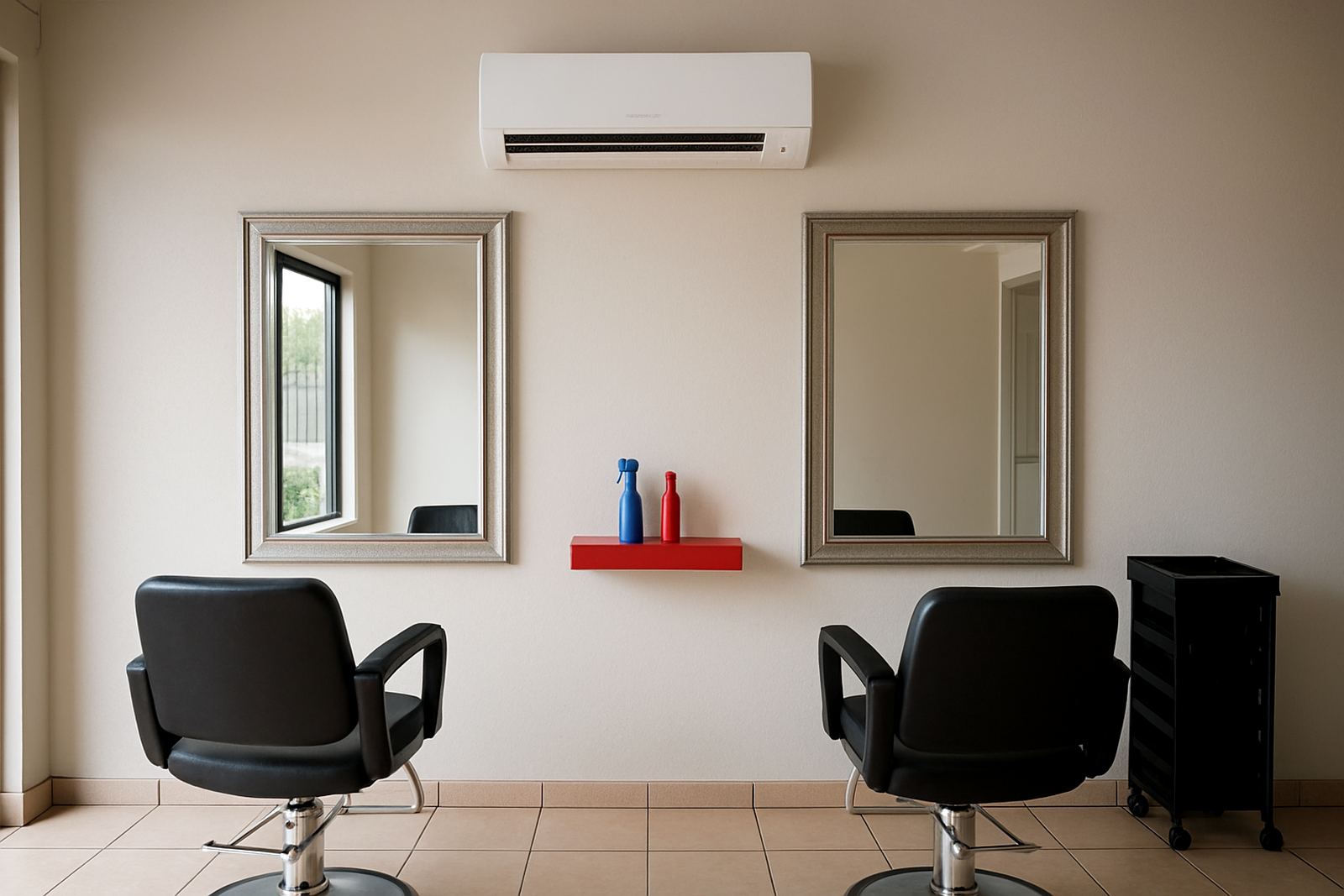
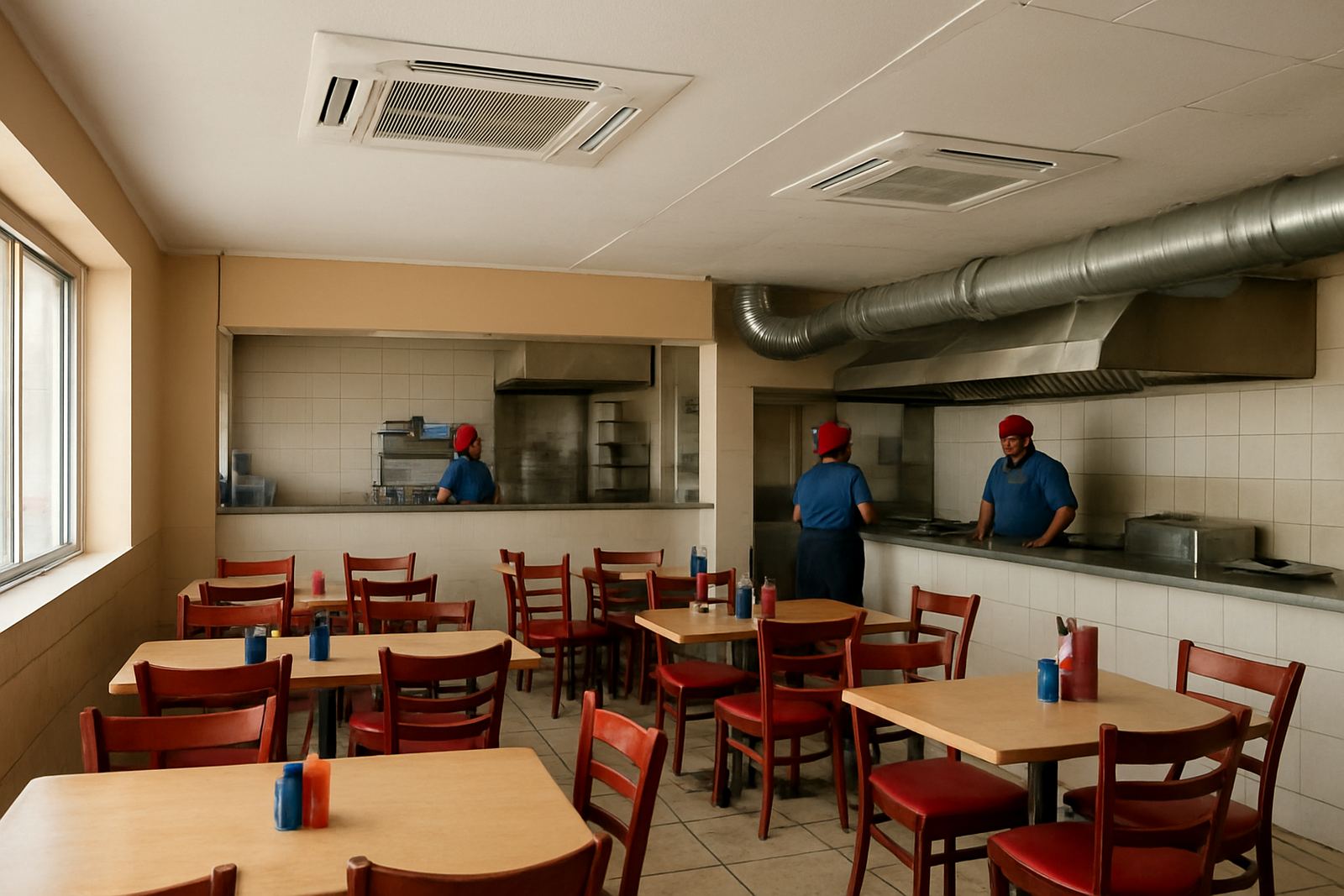
Every restaurant layout is different, but most sites use a mix of split units, ducted systems and extraction support. Smaller cafés may only need a few wall-mounted units in the customer area, while larger restaurants often need a combination of ceiling-mounted or ducted cooling in the front of house and separate ventilation in the kitchen. The aim is not just cold air. It is controlled air movement without blowing directly onto diners or pushing cooking smells around the room.
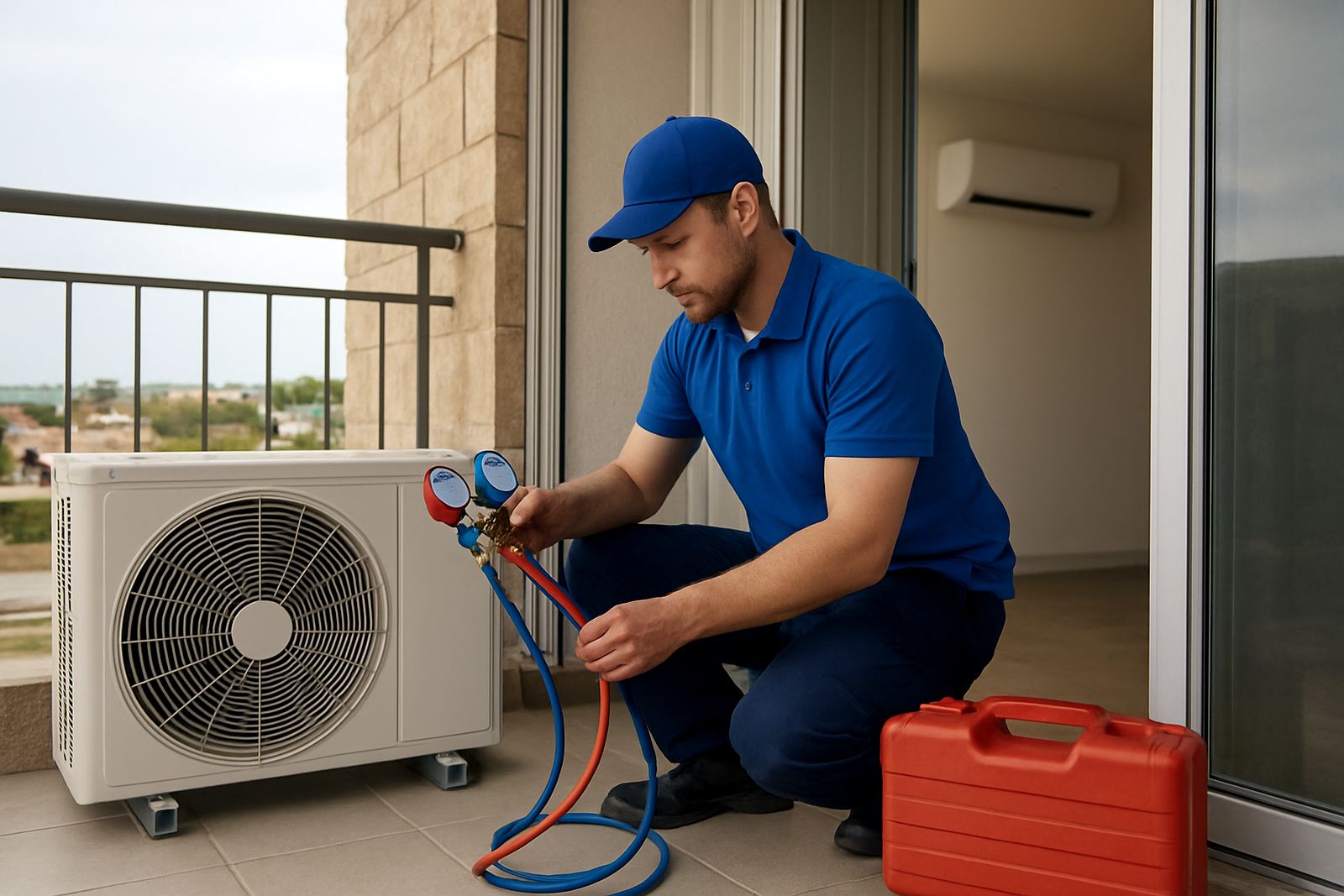
On many jobs in Durban Central, South Durban and North Durban, we also see the need for repairs to condensate pumps, fan motors, capacitors and contactors, plus regas and leak checks where a system has lost cooling. For kitchens and prep spaces, blocked drains, dirty filters and worn controls can cause more trouble than the main unit itself. A good service plan usually covers the full system, not only the visible indoor units.
- Wall-mounted split units for smaller dining rooms and offices.
- Ducted units for even cooling across larger seating areas.
- Extraction fans and ventilation support for kitchens and sculleries.
- Control repairs, deep cleaning and planned maintenance for busy trading hours.
Where humidity is high, a unit that is slightly undersized will struggle and run all day. That usually leads to complaints, short cycling and higher electricity use. A proper assessment saves money in the long run, even if the first quotation is a little higher.
Layout and planning advice before you install
Restaurant owners often ask where the cold air should go first. The short answer is: not straight over the nearest table and not straight at the door. Air should be placed to support the shape of the room, the position of windows, the number of people seated at peak time and the heat coming from the kitchen. In open-plan venues, the dining area and the food prep side should be treated as separate zones whenever possible.
If you are fitting out a new site or upgrading an older one, start with a basic plan that shows seating, serving counters, pass-through areas, kitchen doors and escape routes. We look at whether there is space for service access, safe drain fall and sensible isolation points for maintenance. Many restaurant problems come from poor placement, not bad equipment. A unit installed too close to the fryer wall, for example, will clog faster and need more frequent deep cleaning.
- Keep indoor units away from direct grease and steam where possible.
- Allow enough access for cleaning filters and checking drain lines.
- Separate customer comfort from kitchen ventilation as far as the site allows.
- Think about load-shedding recovery so the room cools down quickly after power returns.
Weve seen venues try to cool a large room with one small machine and then wonder why half the tables are still warm. It is usually better to split the load across a few correctly sized units than to ask one system to do everything.
Common mistakes that cost restaurants money
The first mistake is undersizing. A restaurant filled with people, lights, ovens and opening doors puts far more strain on an aircon system than an office of the same size. The second mistake is skipping maintenance until the unit fails. Dust, grease and humidity build up quickly, and once airflow drops, the compressor works harder and electricity use climbs. That is when the breakdown call-outs start arriving on a Friday evening.
Another common issue is poor drainage. If condensate lines block, water can drip onto floors, service counters or wall finishes. In a food environment that is more than an inconvenience. It can create a slip risk and cause complaints from tenants or health inspectors. We also see damaged capacitors, weak contactors and faulty controls causing systems to cycle on and off, which shortens equipment life.
- Do not ignore a musty smell or weak airflow.
- Do not wait for peak season to test the system.
- Do not run kitchen cooling and dining cooling on the same assumption of load.
- Do not leave gas leaks or low gas levels unchecked.
A little planned work keeps the trading floor calm. It also helps managers avoid sudden repair bills when the restaurant is full and every table matters.
Maintenance that suits trading hours and local conditions
Restaurants need service visits that work around opening times, deliveries and quiet periods. In Clairwood and surrounding areas, many owners prefer early morning or after-hours maintenance so cleaners, chefs and front-of-house staff are not interrupted. The right service routine depends on how hard the system works, how much grease is in the air and whether the site is close to the coast where corrosion can start faster.
For most food businesses, planned maintenance should include filter cleaning, coil cleaning, drain checks, electrical testing, leak checks and a look at fan motors and controls. Where a unit is older, we may recommend a more careful service schedule or replacement of worn parts before they fail. That includes compressor-related faults, thermostat problems and airflow issues that start small and become expensive if left alone.
Our team covers supply, installation, repairs, spares and gas support from our Durban base, with work across Clairwood, Durban Central, South Durban, West Durban and greater eThekwini. For restaurants, that means one point of contact for new equipment, breakdown work and ongoing upkeep. It keeps things simpler for owners who already have enough to manage.
Budget ranges for restaurants in Rand
Costs depend on room size, ceiling height, access, the number of units required and whether the job needs ducting or electrical work. A small café fit-out will usually sit at a different level to a large sit-down restaurant with a kitchen, bar area and private function room. The most useful budget starts with the real condition of the site rather than a guess from the floor area alone.
- Basic split unit supply and install for a small dining room: from about R12,000 to R22,000 per unit.
- Ducted or multi-room restaurant cooling: from about R25,000 to R70,000 plus installation details.
- Repairs and fault finding: from about R850 to R1,800 before parts, depending on the issue.
- Regas and leak check: from about R1,500 to R3,500 if the system is otherwise sound.
- Deep cleaning and planned maintenance visits: from about R950 to R2,500 per unit or system.
If a restaurant keeps losing gas, trips on start-up or struggles in humid weather, it is better to repair the cause than to keep topping up and hoping for the best. We can inspect the site, explain the options clearly and help you choose the right fix for the budget you have now, not the one you wish you had.