What an inverter split unit is and how it works
An inverter split unit is a two-part air-conditioner with an indoor unit and an outdoor unit. The inverter board varies compressor speed to match the room load, so the system does not keep starting at full power every few minutes. That means smoother temperature control, less noise, and better electricity use for regular operation.
For Durban weather, that matters. On hot humid days in Clairwood, South Durban and the coast, a fixed-speed unit can cycle too often and feel uneven. An inverter unit is better at holding a set temperature once the room is brought down. It is not a magic fix for poor sizing, though. If the unit is too small, it will still struggle. If it is too large, it may short cycle and waste the benefit.
We supply inverter split units for domestic and light commercial use, with options for bedrooms, lounges, server rooms, offices, and small retail spaces. The right selection depends on room size, glass area, ceiling height, sun exposure and whether the room is occupied all day or only at night.
Sizes, capacities and common options
Inverter split units are usually selected by capacity in BTU or kilowatts. In Durban homes we often supply smaller units for bedrooms and studies, and larger units for open-plan areas or commercial spaces. The actual selection should be based on heat load, not only room metres, because a sunny room with big windows can need much more cooling than a shaded room of the same size.
Common sizes include 9 000 BTU for smaller rooms, 12 000 BTU for standard bedrooms, 18 000 BTU for lounges, and 24 000 BTU or larger for bigger living areas, offices or shops. Some sites need multi-split arrangements, but many households are better served by one correctly sized unit per room.
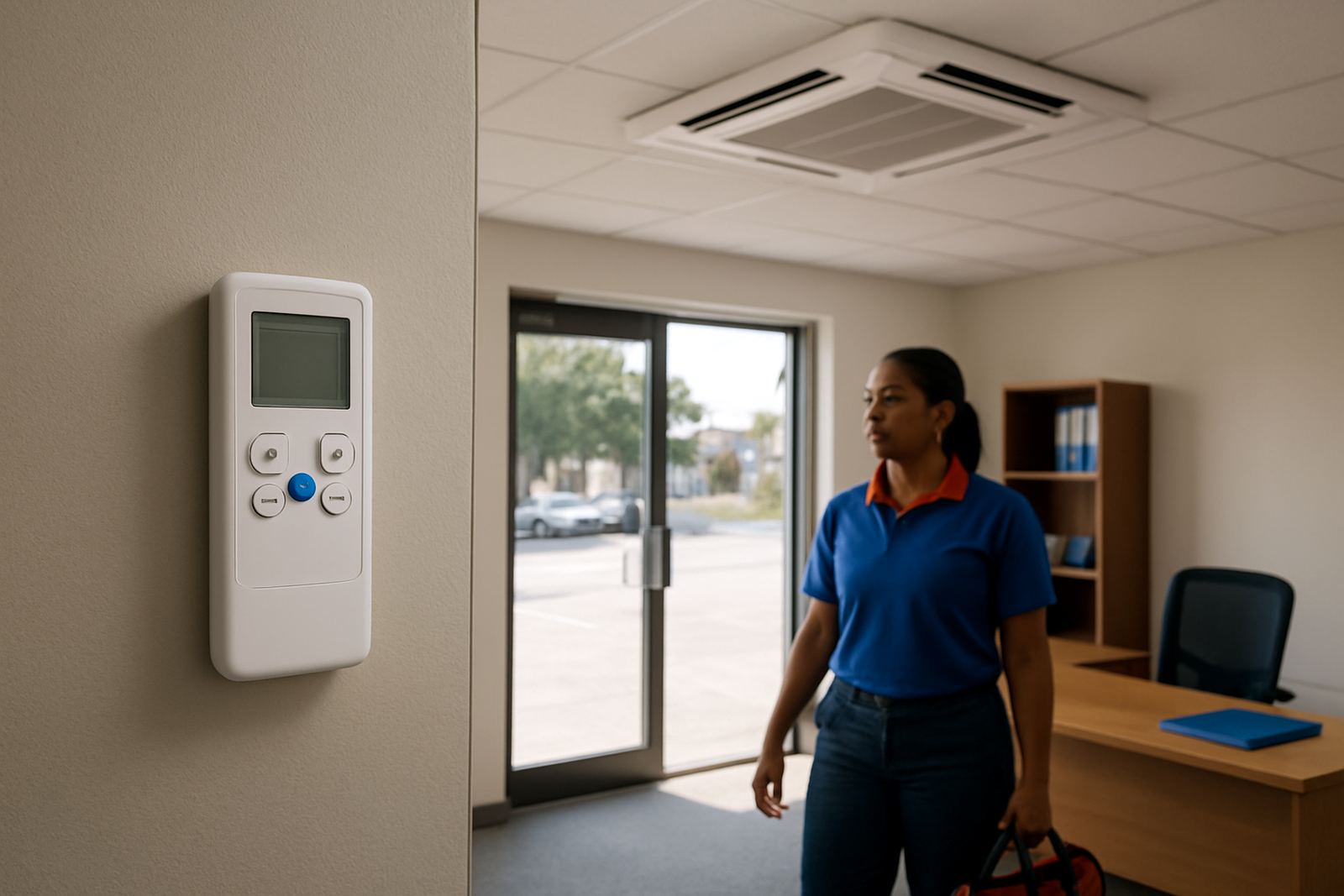
Options can include wall-mounted indoor units, slimline cassettes for ceilings, or concealed ducted setups where the indoor section is hidden. For most domestic work in Clairwood and nearby suburbs, wall-mounted units are the practical choice because they are easier to install and maintain.
Where an inverter split unit suits best
This type of unit suits places where the air-conditioner runs for long periods, rather than only occasionally. It works well in homes with family living areas, in small offices with occupied hours during the day, and in consultation rooms where people need steady comfort. It is also useful in areas where load-shedding may return power several times a week, because once power is restored the unit can settle back into operation without the harsh restart pattern of older systems.
In coastal Durban, humidity is another factor. A properly selected inverter split unit removes moisture as well as heat, so the room feels less sticky. That helps in rooms near the harbour, in South Durban and in places close to the sea where damp air can hang around. For storage rooms or business spaces with equipment, stable temperature and humidity control can also protect contents better.
We recommend checking the room usage pattern before choosing the unit. A bedroom used at night only is different from a boardroom or front shop with doors opening all day. The more regular the run time, the more you benefit from inverter control.
Installation, electrical supply and gas requirements
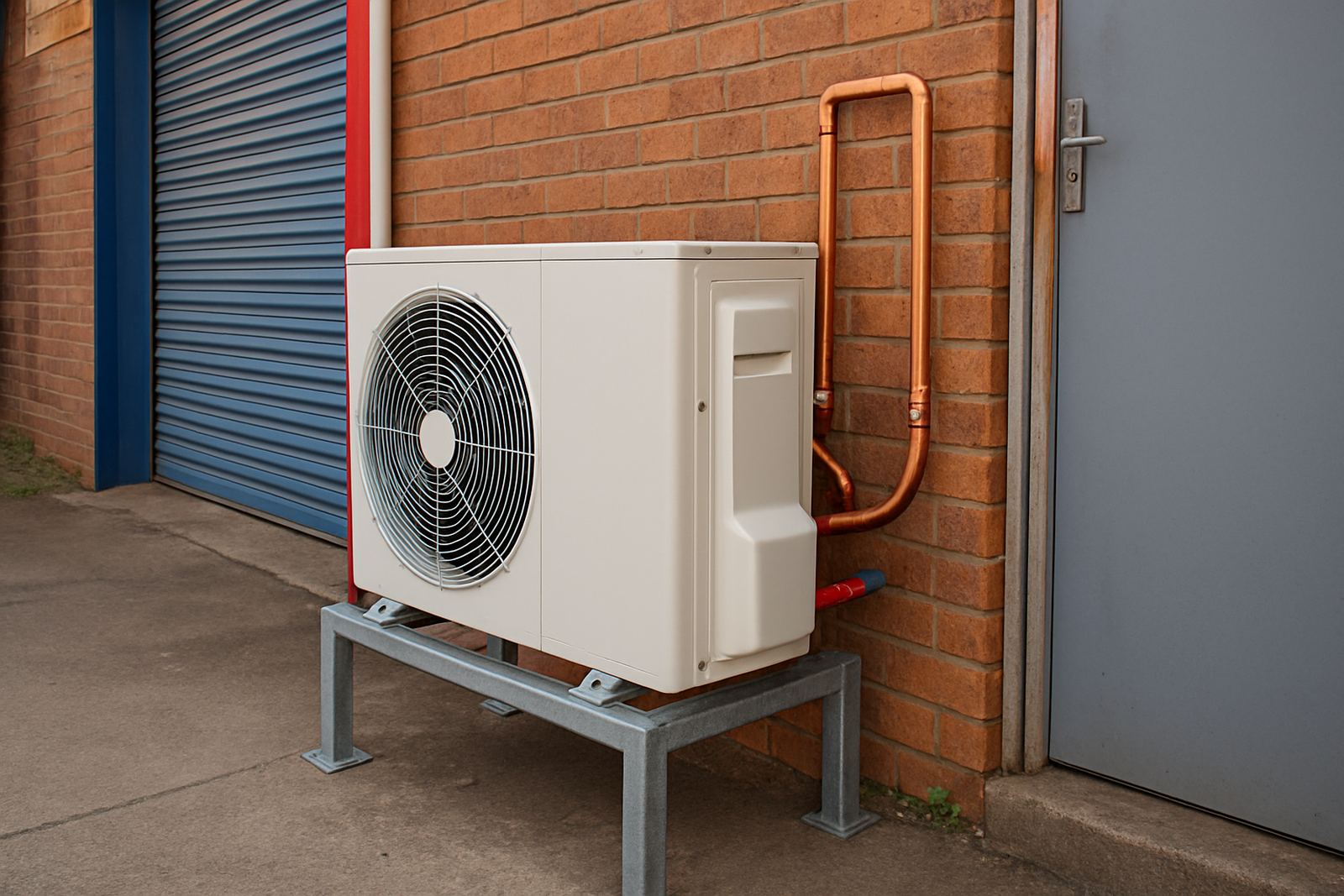
Correct installation is essential. The indoor unit needs proper wall support, the pipework must be insulated, and the outdoor unit needs clear airflow and a firm base. In Durban, outdoor placement should also account for rain exposure, salt air and vandalism risk. A unit fitted too close to a boundary wall or under blocked eaves can make servicing harder and reduce performance.
Electrical supply should be checked before installation. Some smaller inverter units can run on a standard domestic circuit, while larger units may need a dedicated breaker and correctly sized cabling. A unit that trips the supply during peak use is normally a sign of poor sizing or poor wiring, not just a faulty machine. Where power quality is uneven, the installer should confirm the starting and running current, plus any protection needed.
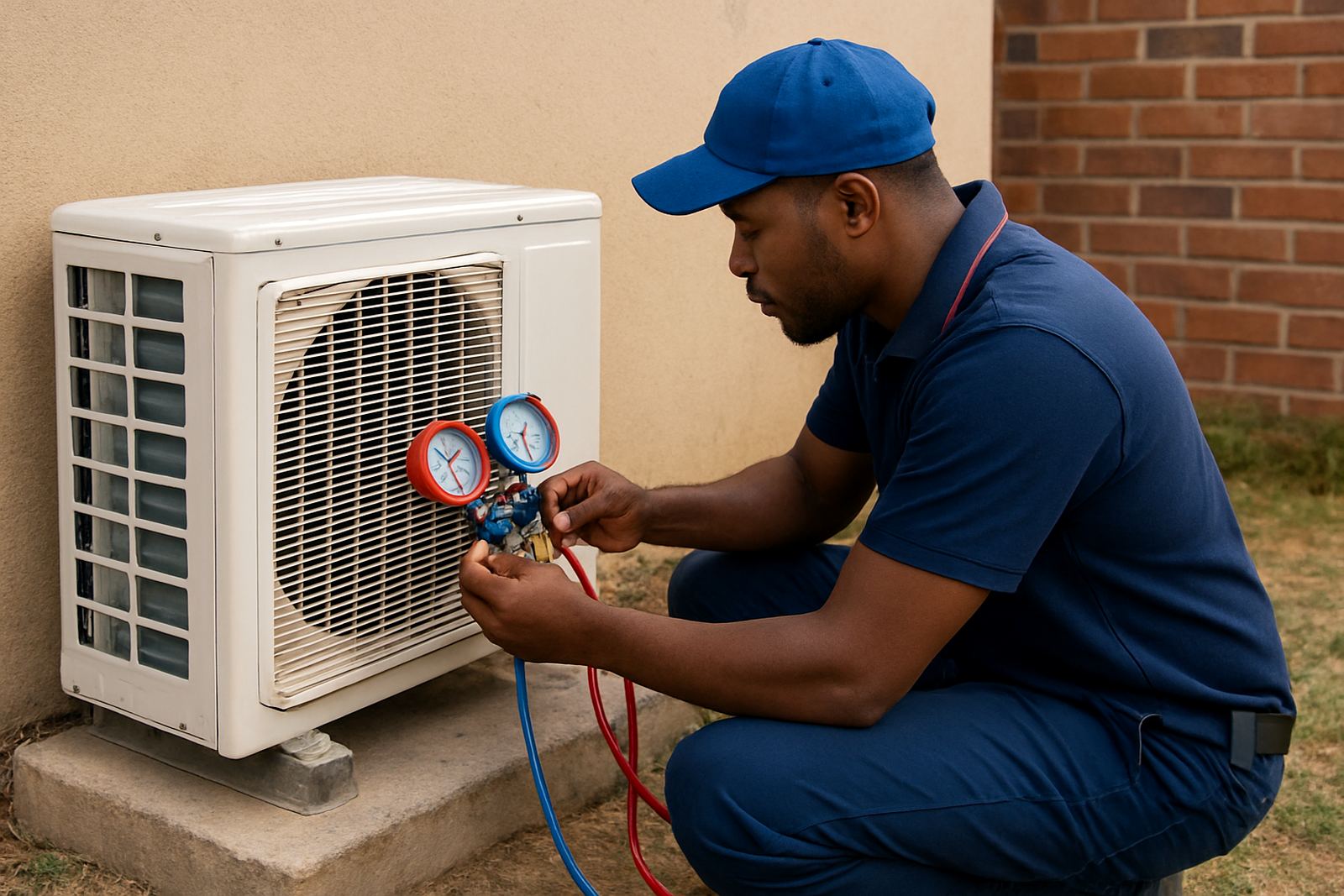
Gas charge is another key point. The system is sealed and should not need top-up as a matter of routine. If gas is low, there is usually a leak that must be found and repaired first. We handle regas and leak checks, compressor replacement when needed, and fault finding on units that are no longer cooling as they should.
Care, servicing and breakdown signs to watch for
Even a good inverter split unit needs care. Filters should be cleaned regularly, especially in homes near busy roads or in workplaces with dust. The indoor coil and drain tray can collect dirt and slime over time, which can cause poor airflow and water leaks. In humid Durban weather, blocked drains are a common issue and they can lead to ceiling stains if ignored.
Planned maintenance helps keep the system efficient and can catch small faults before they become expensive. We carry out deep clean service, drain blockage repairs, capacitor and contactor replacement, fan motor repair, control repairs and general breakdown call-outs. If a unit is short cycling, blowing warm air, icing up or making unusual noises, it should be checked sooner rather than later.
Signs that deserve attention include weak cooling, odours from the indoor unit, water dripping inside, a clicking outdoor unit, or a breaker tripping when the unit starts. In many cases the issue is minor, but waiting too long can turn a simple fix into a compressor problem. That is costly, and you really do not want that in peak summer.
What to check before ordering your unit
Before ordering, measure the room and note the ceiling height, window size, afternoon sun and the number of people usually in the space. Also check where the outdoor unit can sit without blocking walkways or upsetting municipal or body corporate rules. In some properties, especially flats and sectional title complexes, there may be limits on where the outdoor section can be mounted.
Have the following details ready so we can match the right unit and installation method to the site. It makes the job faster and helps avoid changes on the day.
- Room size in square metres and ceiling height
- Whether the room is shaded or gets full sun
- Use pattern, such as bedroom, office or shop
- Power supply details and breaker space
- Preferred location for the indoor and outdoor units
- Any existing pipework or old equipment to remove
If you are replacing an older air-conditioner, we can inspect the existing route, check the wiring and confirm whether the old gas type or fittings affect the new install. That saves time and avoids surprises. For customers in Clairwood, Durban Central, West Durban and across greater eThekwini, we also keep spares and gas support on hand for ongoing maintenance after fitment.
Key facts
| Product type | Inverter split air-conditioning system |
|---|---|
| Typical capacities | 9 000, 12 000, 18 000 and 24 000 BTU |
| Configuration | Indoor wall unit plus outdoor condenser |
| Use | Domestic and light commercial |
| Power requirement | Depends on size, usually dedicated supply for larger units |
| Service support | Fault finding, regas, leak check and planned maintenance |