What a condensing unit does in a cooling system
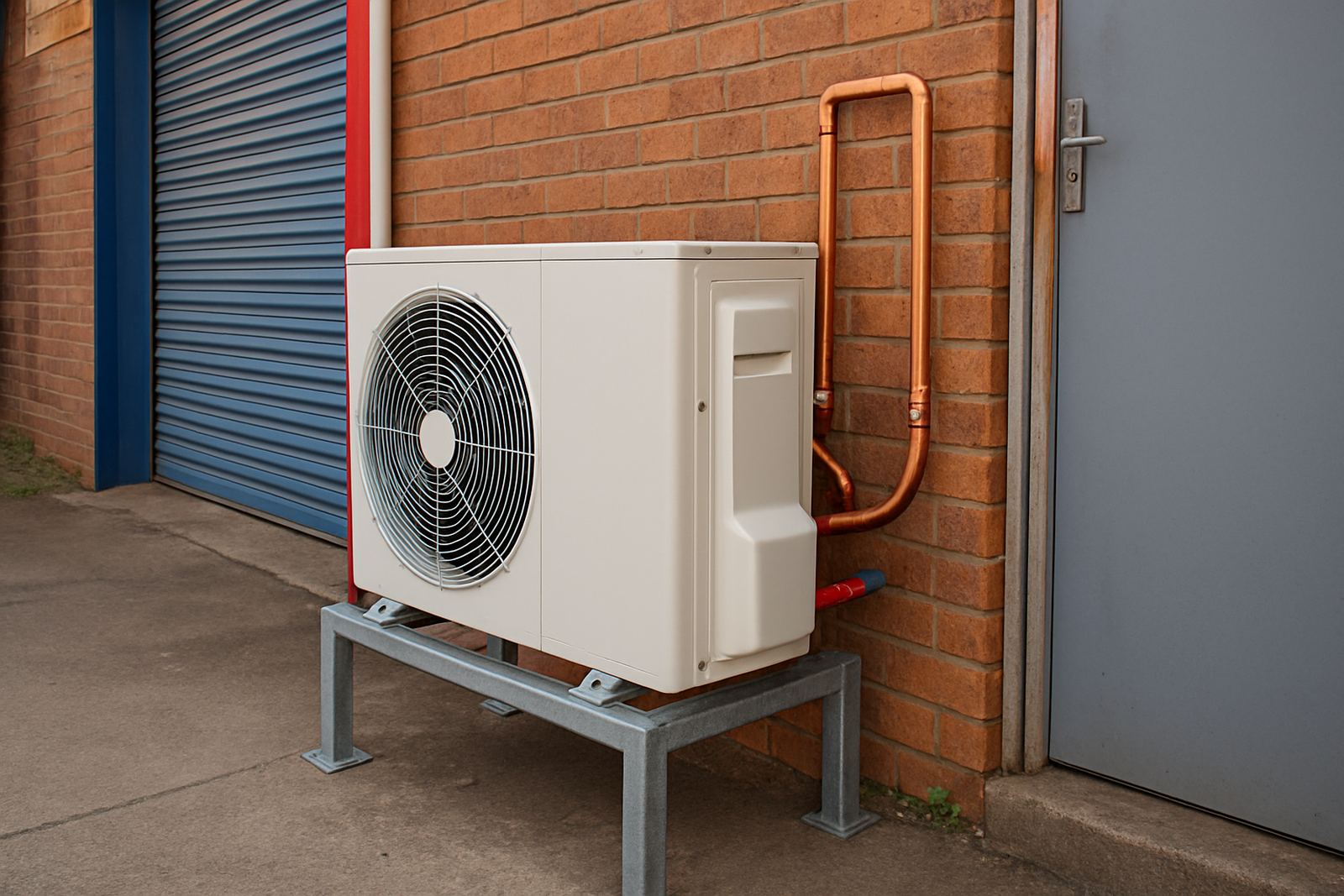
A condensing unit is the outdoor set that takes hot refrigerant vapour from the system, cools it, and turns it back into a liquid so the cycle can continue. It usually houses the compressor, condenser coil and fan motor in one cabinet, with the indoor side doing the actual cooling or refrigeration work inside the room, shop, cold room or process area.
For domestic and commercial applications, the unit must match the indoor evaporator, pipe run, refrigerant type and electrical supply. If the pairing is wrong, you can get poor cooling, short cycling, high running costs or repeated trips on the breaker. In coastal areas like Clairwood, South Durban and Durban Central, corrosion and dirty coils can also creep in faster, so the outdoor unit needs regular attention.
Common sizes and options we supply
Condensing units are selected by capacity, compressor type, voltage and whether the application is for air-conditioning or refrigeration. Smaller units may suit a single split system or a small cold room, while larger commercial sets are used for bottle stores, restaurants, butcheries, containers and light industrial spaces. The exact size depends on the heat load, room size, insulation and how often the door opens.
- Single-phase and three-phase options, depending on site power
- Air-cooled outdoor sets for standard installations
- Wall-mounted, ground-mounted or rooftop layouts
- Units matched for medium and low temperature applications
- Replacement compressors, fan motors, contactors and capacitors
We help customers in Clairwood, West Durban and the broader eThekwini area choose the right unit rather than just the nearest one on the shelf. That matters when the site has long pipe runs, restricted ventilation or load-shedding backup power to factor in.
Where a condensing unit suits best
This product suits any system that needs heat rejected outdoors and a stable refrigerant cycle indoors. Typical uses include home air-conditioning, office cooling, shops, server rooms, takeaway kitchens, small cold rooms and storage spaces that must stay at a controlled temperature. It also suits replacement work where the indoor section is still serviceable but the outdoor set has failed.
- Homes and flats needing a compact outdoor unit
- Shops and offices with steady daily cooling demand
- Restaurants and food storage areas with higher heat loads
- Commercial premises in humid or dusty conditions
- Sites needing fast breakdown call-outs and spares support
Durban humidity and coastal salt can shorten the life of poorly protected equipment, especially where the unit sits on a low wall or near open air movement from the sea. Good siting, clear airflow and proper clearances are not optional, they are part of the install.
Installation and electrical requirements on site
Installation should be done by a technician who can check pipe sizing, refrigerant compatibility, voltage, isolation and drainage before the unit is started. The outdoor set must sit level, with enough space around the coil for airflow and safe access for servicing. A unit that is tucked into a tight corner or boxed in by walls will run hotter and work harder.
Power needs vary by model, but the site usually needs a dedicated isolator, correct breaker sizing and sound earthing. On commercial jobs we also check whether the incoming supply can handle the starting current, especially where generators or inverters are in use during load-shedding. If the system has been opened or replaced, the gas charge must be verified and leak checked before handover.
- Confirm voltage and phase before ordering
- Check pipe lengths and vertical lifts
- Allow for vibration pads and a stable base
- Make sure the drain path will not cause water damage
- Test the controls, fan rotation and compressor amp draw
Care, servicing and fault signs to watch for
Like any outdoor plant, a condensing unit needs routine care. Dust, leaves, grease and salt build-up can block airflow and raise head pressure, which puts strain on the compressor. In Durban, we often see units that would have lasted longer if the coil had been cleaned and the electrics checked before failure set in.
Planned maintenance should include a coil clean, terminal check, fan test, drain inspection, gas pressure check and a look for oil stains or frost where there should not be any. If the system starts tripping, making a buzzing noise, cycling on and off, or cooling weaker than usual, get it checked quickly. Early fault finding is cheaper than replacing a compressor later.
- Dirty coil and blocked airflow
- Weak fan motor or failing capacitor
- Low gas from a leak
- Compressor running hot or noisy
- Water around the base from drain or line issues
What to check before you order a replacement
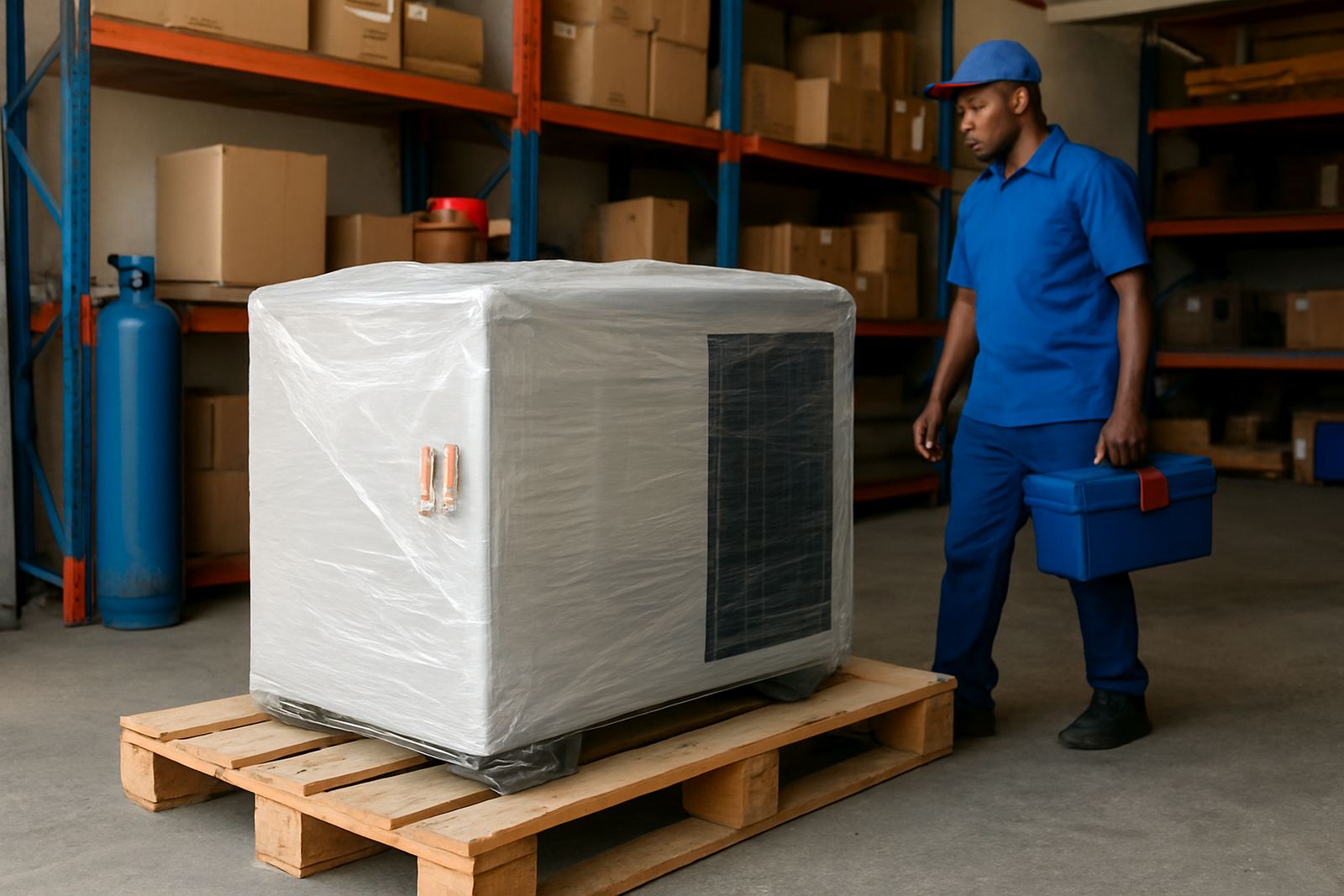
Before ordering a condensing unit, gather the model details from the old set and the indoor unit if possible. The important points are capacity, refrigerant type, voltage, phase, compressor type and the pipe connection sizes. If the old unit failed after a power issue, a deeper check is worth doing so the replacement is not damaged by the same fault.
We also recommend checking whether the installation area has enough ventilation, whether the mounting frame or slab is still sound, and whether there is access for technicians and spares. For commercial clients, it helps to note operating hours, room temperature target and any repeated faults. That lets us match the unit more accurately and avoid delay on site.
- Capacity in kW or BTU
- Refrigerant gas type
- Single-phase or three-phase supply
- Pipe size and approximate line length
- Indoor unit model or cooling application
Durban supply, repairs and spares support
Aircon Depot is based in Clairwood, Durban and supports domestic and commercial customers across Durban Central, South Durban, North Durban, West Durban and greater eThekwini. We supply condensing units, install compatible systems, handle repairs and keep the spares and gas side moving for urgent breakdowns and planned work.
Our team includes Kavitha Naidoo, Anele Mkhize, Yusuf Ismail, Nokuthula Zungu, Ridwaan Khan and Kgaogelo Mashaba. If you need a replacement unit, a leak check, regas, compressor work or a breakdown call-out, we can talk you through the job and help you get the right equipment on site without unnecessary delay.
Key facts
| Product type | Outdoor condensing unit for compatible cooling and refrigeration systems |
|---|---|
| Typical use | Air-conditioning, cold rooms, shops, offices and light commercial cooling |
| Power supply | Single-phase or three-phase, depending on model |
| Main components | Compressor, condenser coil, fan motor, controls and electrical protection |
| Installation | Outdoor placement with correct airflow, pipework, drainage and isolation |
| Servicing | Coil cleaning, leak checks, gas checks, electrical testing and compressor diagnostics |