Why scheduled servicing matters for busy Durban sites
Shops, offices, clinics and guesthouses work best when the air stays cool, dry and clean. In Durban, heat, humidity and dust from coastal air can build up quickly inside indoor and outdoor units, which means more strain on compressors, fans and controls.
A planned maintenance visit helps catch small faults before they become expensive breakdowns. It also supports steadier power use, better airflow and fewer complaints from staff, customers and guests. For sites that run long hours, that regular attention makes a real difference.
Who our maintenance plans suit
We set up maintenance for sites that rely on air conditioning every day, often across several rooms or multiple units. That includes front-of-house spaces, consulting rooms, waiting areas, server rooms, kitchens, reception areas and guest bedrooms.
Typical sites we support in Clairwood, Durban Central, South Durban, North Durban and West Durban include:
- Retail shops and showrooms
- Offices and admin blocks
- Clinics, medical rooms and pharmacies
- Guesthouses, lodges and short-stay accommodation
- Restaurants, salons and customer-facing business premises
What is included in a maintenance visit
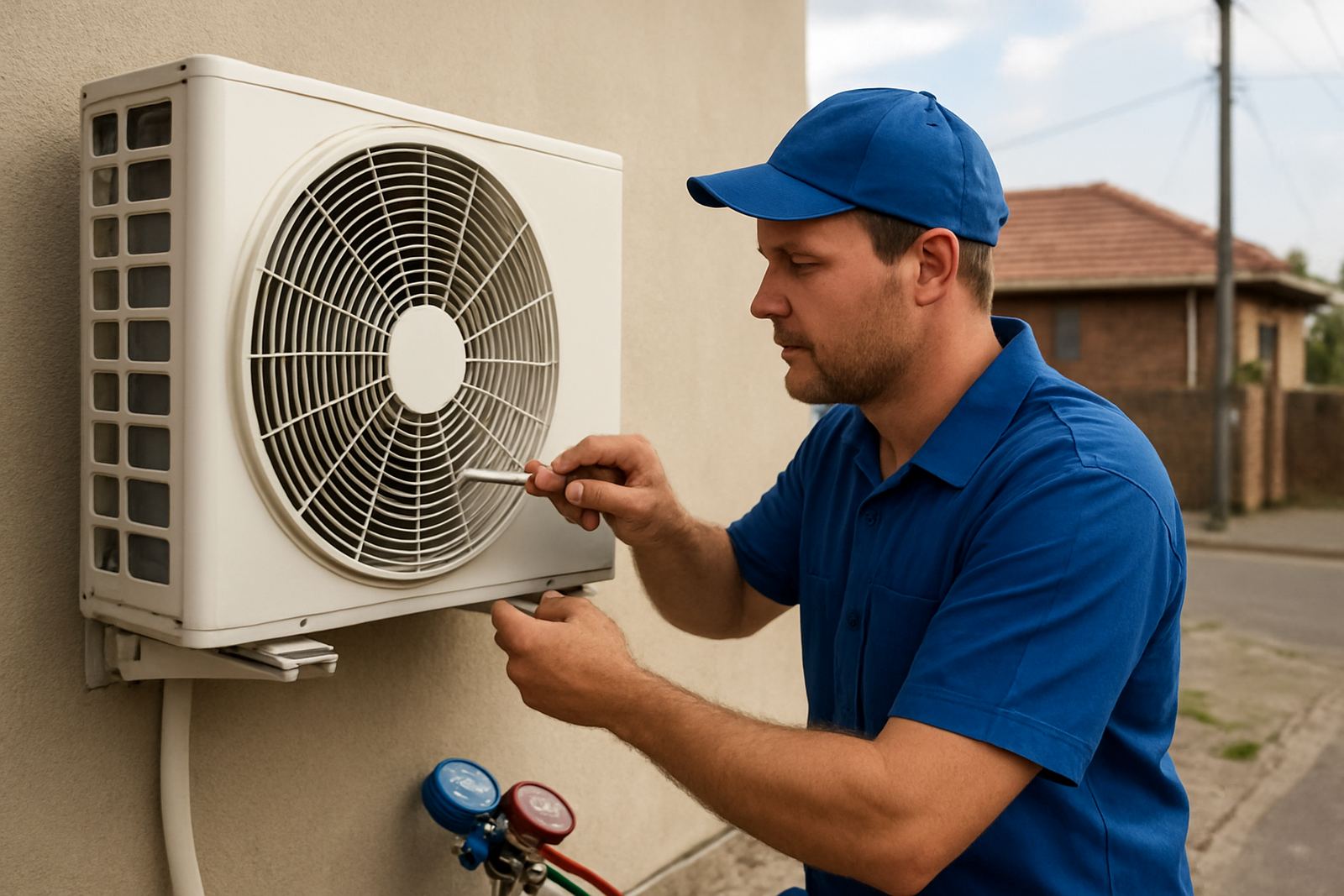
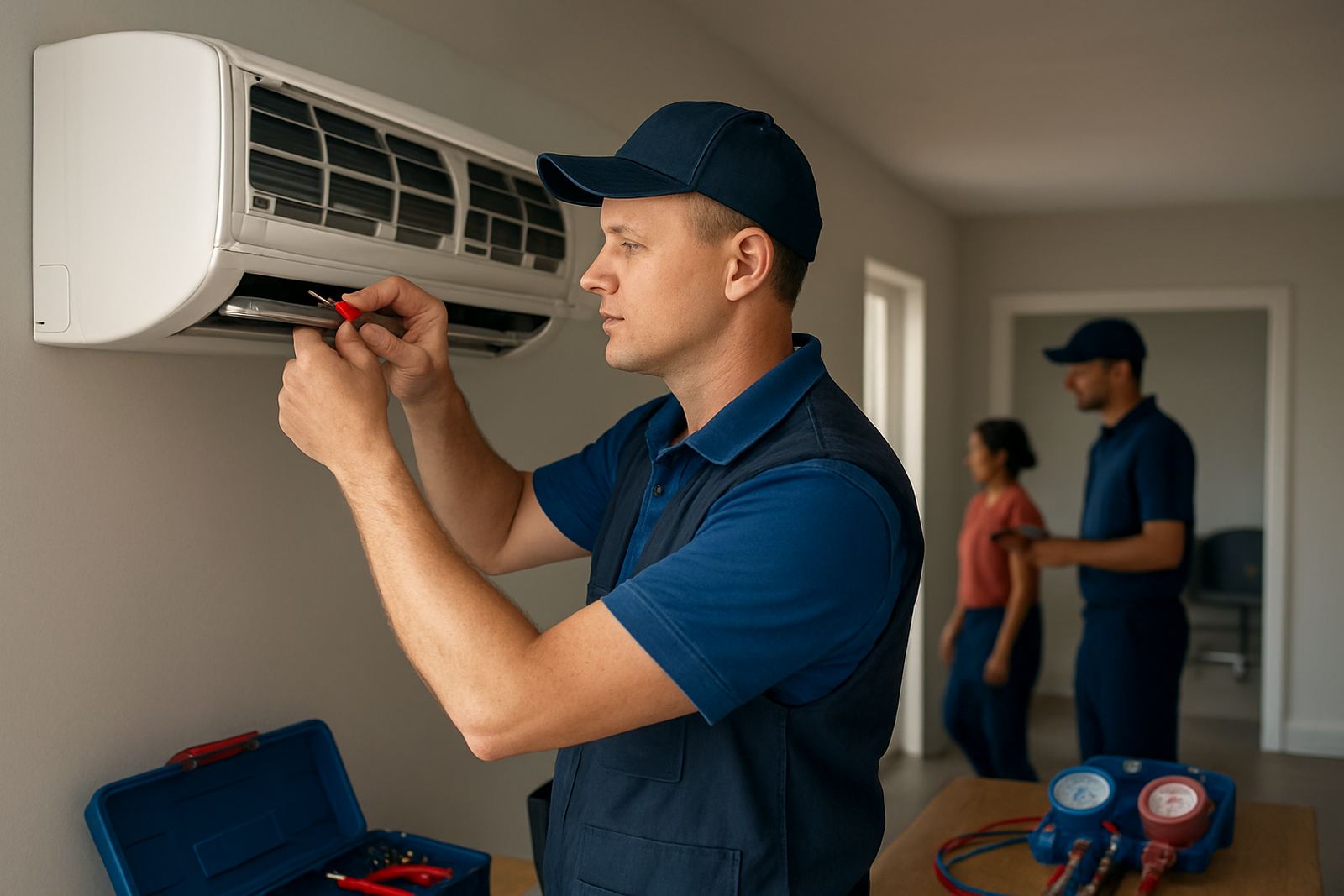
Each service visit is planned around your equipment, running hours and site access. We check for signs of wear, blocked drainage, poor airflow and electrical issues before the unit starts tripping or losing cooling performance.
- Filter cleaning or replacement where needed
- Coil cleaning and deep clean service on build-up prone units
- Drain blockage checks to prevent dripping and ceiling stains
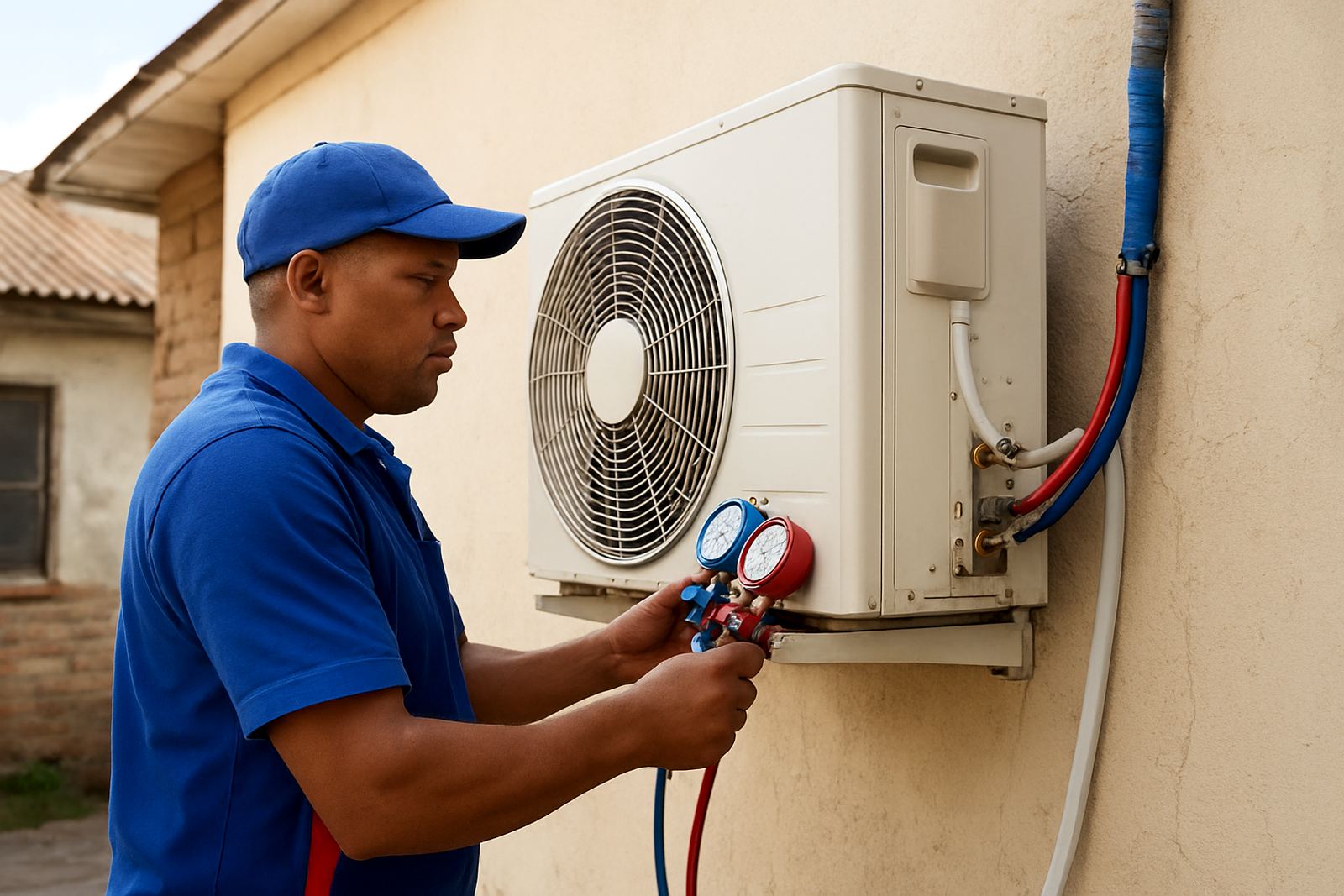
- Gas pressure checks and leak check where cooling has dropped
- Control checks for thermostats, timers and operating settings
- Inspection of fan motors, capacitors, contactors and wiring
If a fault is found, we advise on the repair work needed and can handle breakdown call-out support as well. That keeps one team accountable from inspection to fix.
How we set up a plan step by step
We keep the process straightforward so there is no confusion once the plan starts. First, we look at how many units you have, what type they are and how heavily they are used. Then we agree on a service interval that suits the site, usually monthly, quarterly or twice a year depending on the load.
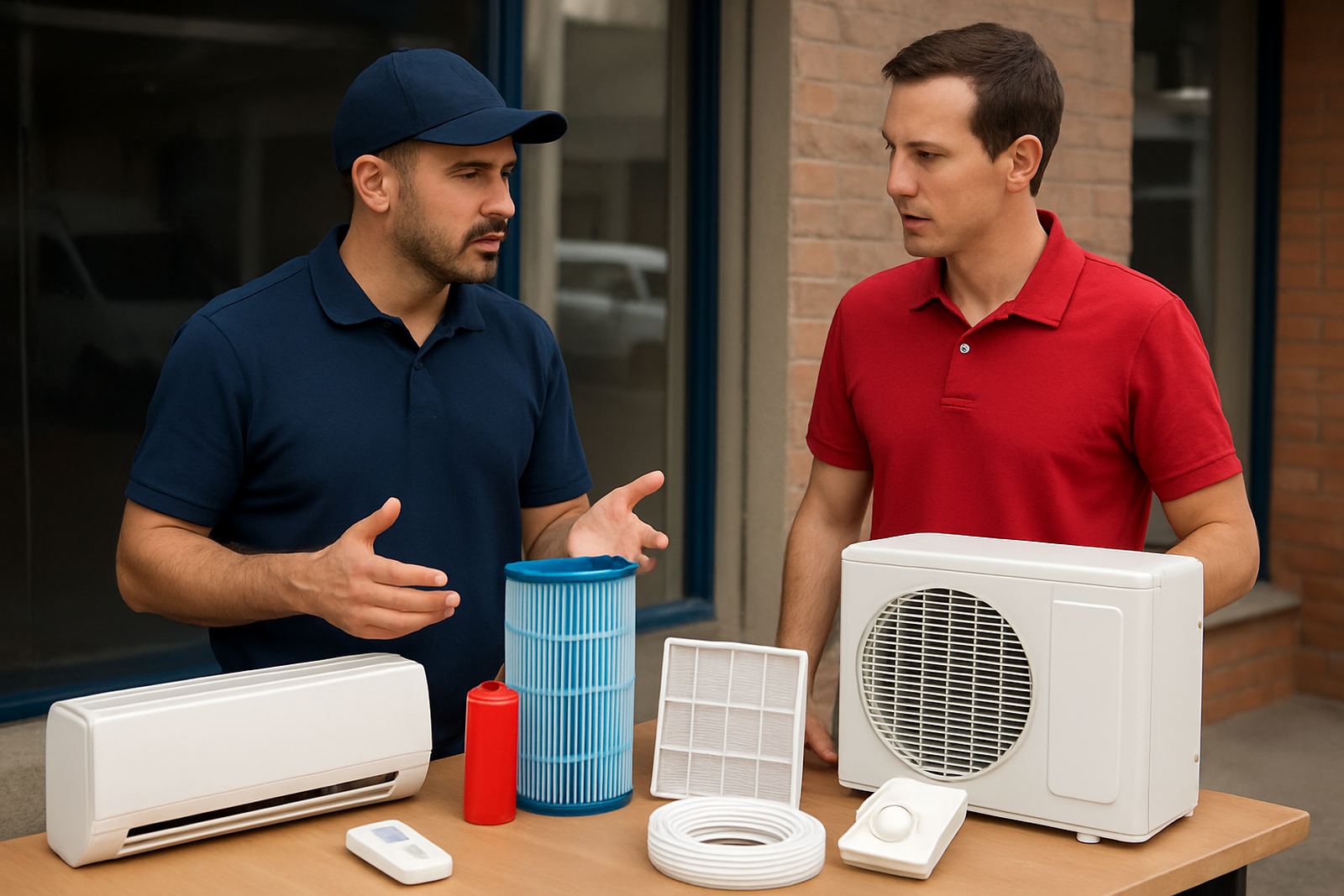
The next step is a site visit and equipment list. From there we set service dates, note access times and flag any units that need extra attention before summer or a busy trading period. For sites with staff shifts or guest turnover, we can work around quieter hours where possible.
- Site review and equipment count
- Service schedule agreed
- Units cleaned, tested and checked
- Faults reported with clear next steps
- Repeat visits booked ahead of time
Signs your unit needs more frequent servicing
Some units need attention more often, especially in coastal Durban where salt air and moisture can speed up wear. If you notice weak cooling, odd smells, water leaks or a unit that seems to run non-stop, it may already be overdue for service.
Other warning signs include rising electricity use, noisy fans, short cycling and rooms that never quite reach the set temperature. In clinics and guesthouses, even one poorly performing unit can create complaints fast. Catching these issues early helps avoid a full breakdown during a heatwave or power fluctuation.
Local support for breakdowns, spares and gas
Maintenance plans work best when they are backed by a team that can also repair faults quickly. We support domestic and commercial systems with fault finding, compressor replacement, fan motor repair, capacitors and contactors, controls repair, regas and leak check, drain blockages and planned maintenance.
Because we are based in Clairwood, we can support the greater eThekwini area with practical turnaround times and local knowledge of site conditions, load-shedding interruptions and access limits. If a part is needed, our spares and gas support helps reduce delay and keeps the repair moving.
For busy premises, that combination matters. One visit can identify the issue, another can complete the repair, and the next scheduled service keeps the system on track instead of waiting for a complete failure.