What warehouse cooling needs to do in Durban conditions
A warehouse is not a normal home or office job. In Clairwood, Durban Central and the South Durban industrial belt, the building may have high roller doors, open racking, metal roofing and constant movement of people, forklifts and stock. That mix traps heat in some areas and leaves others cool, so one unit in the wrong place can waste power and still leave the staff sweating.
Good warehouse cooling has to support the space, not fight it. The aim is usually to cool a packing bay, a small admin room, a dispatch counter or a controlled storage area, while keeping the rest of the floor practical. For many businesses, the right answer is a split between targeted air-conditioning and planned ventilation, not full building conditioning.
- Stock protection from excess heat and humidity
- Comfort for office, dispatch and supervision areas
- Lower downtime during summer and load-shedding recovery
- Cleaner airflow in dusty or high-traffic areas
Typical equipment for light industrial storage sites
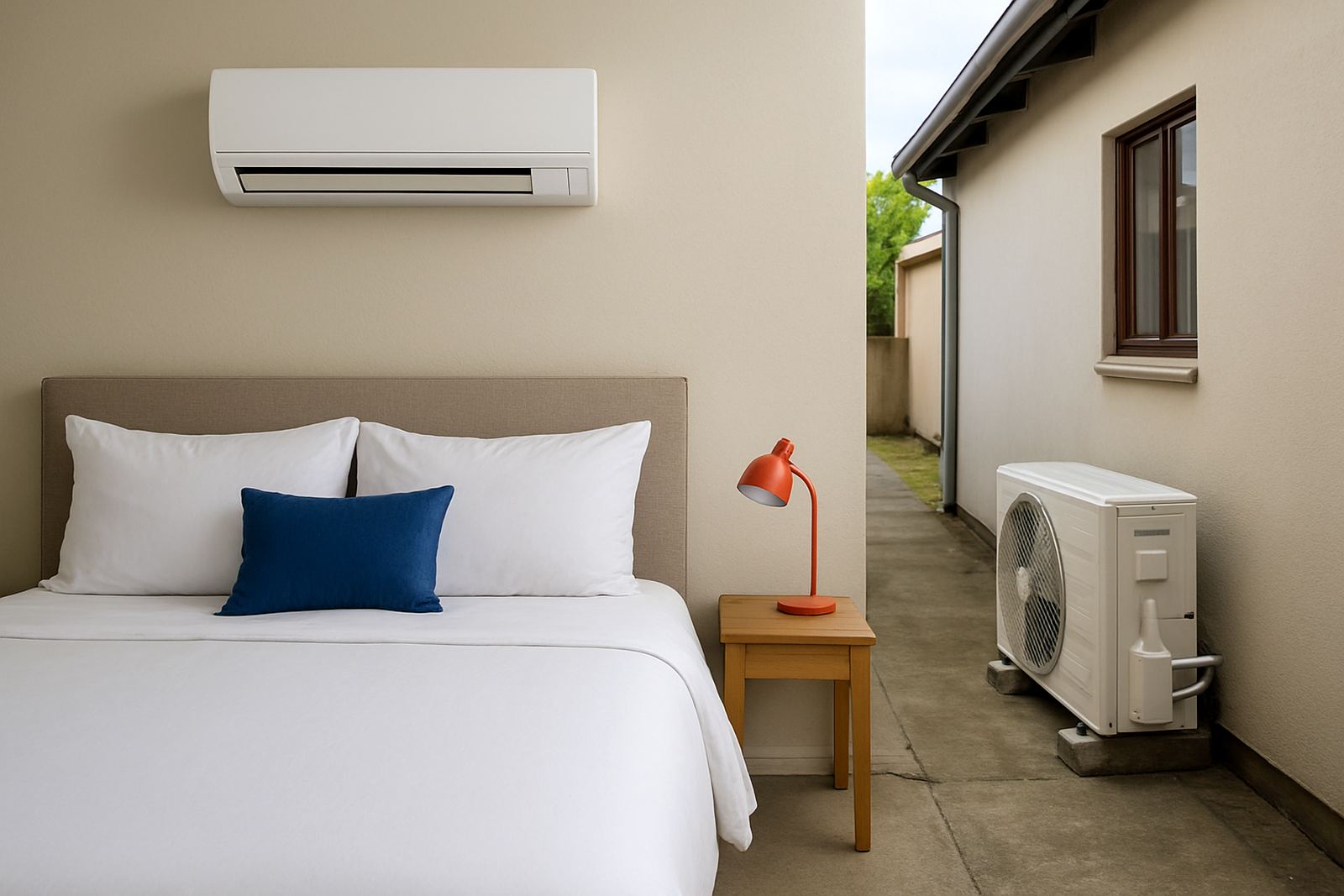
Most warehouse calls in Durban involve a mix of domestic-style and commercial units, depending on the size of the office section and the heat load in the store. A small admin suite may use wall-mounted split units, while a larger packing room may need multiple units or a ducted setup. In some cases, the best choice is a system that cools specific zones only, so you do not pay to chill empty floor space.
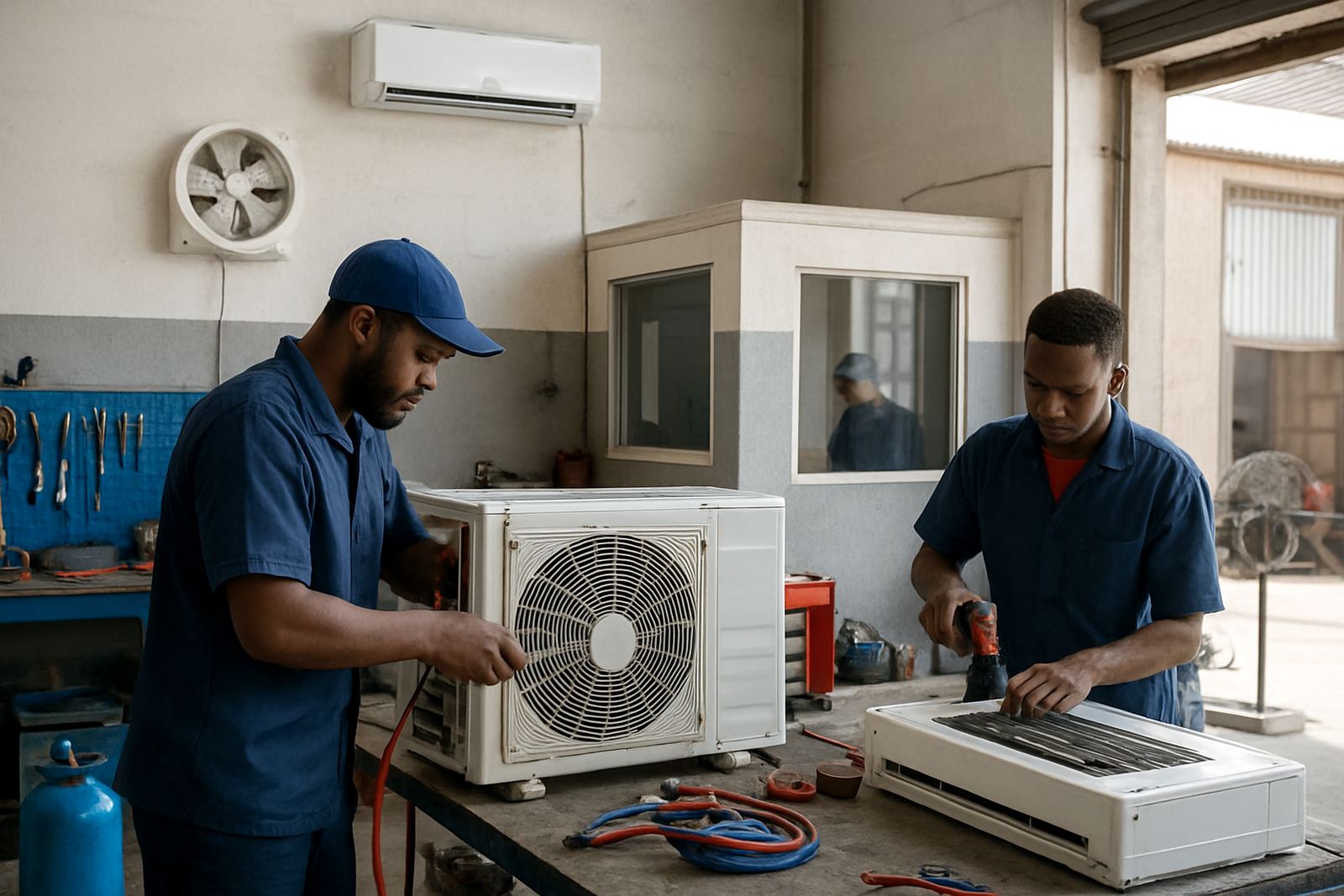
We also handle fault finding, regassing, compressor replacement, fan motor repair, capacitors and contactors, drain blockages, deep cleaning, controls repair and breakdown call-outs. If your unit is short of gas, tripping on startup, icing up, or leaking water onto stock, it needs attention quickly before the fault grows.
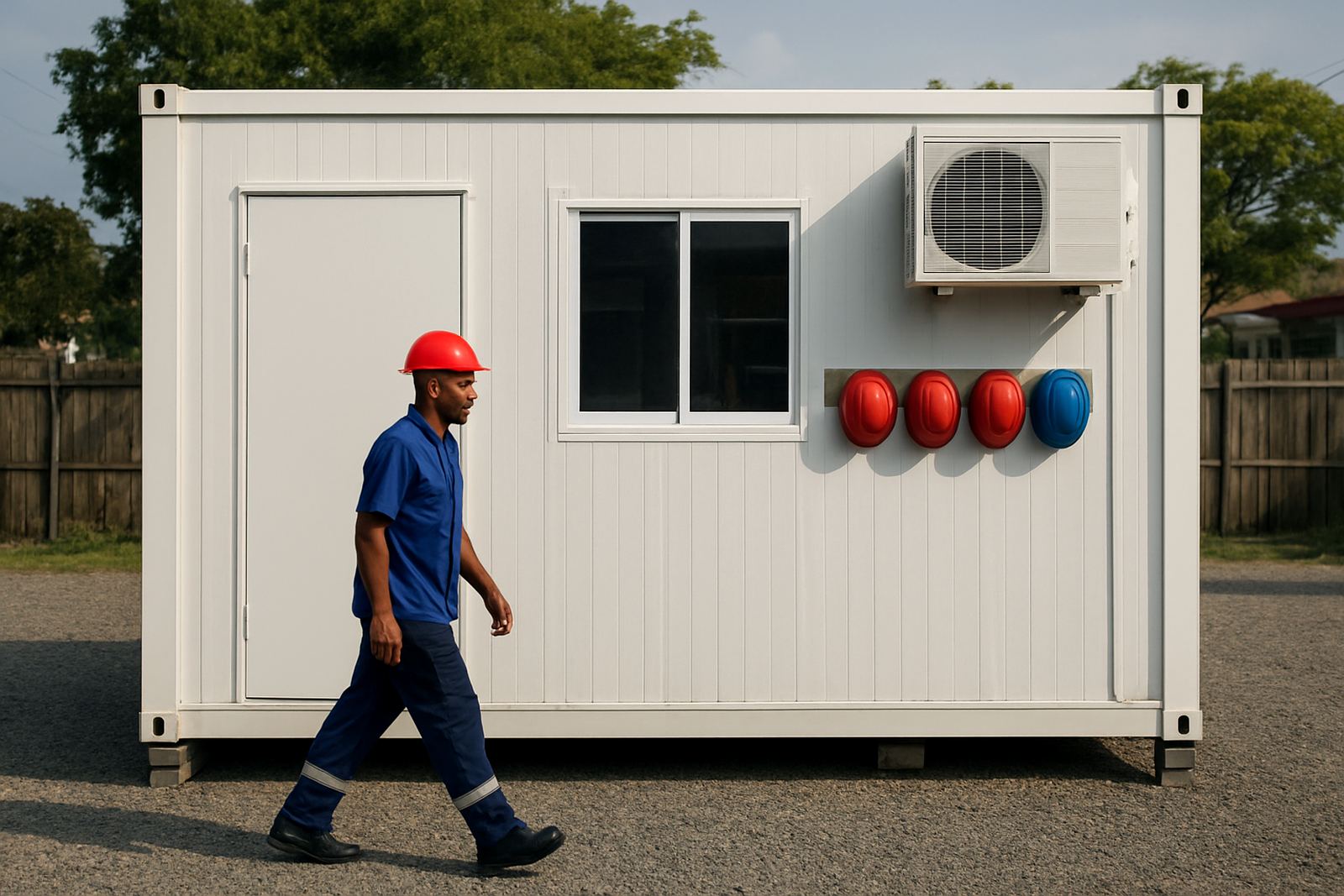
- Wall-mounted split units for offices, weigh rooms and security rooms
- Ceiling cassette units for open plan admin or light packing spaces
- Commercial units for stronger duty cycles and longer operating hours
- Spare parts and gas supply for ongoing maintenance and repairs
Layout advice for racking, doors and work zones
The position of the aircon matters as much as the size of the unit. In a warehouse, cold air should not blow straight into an open shutter door or across a loading bay where the door stays open for long periods. It should support the occupied area, with return air paths kept clear and filters easy to reach. That saves power and reduces strain on the compressor.
For sites with offices inside the warehouse, we often separate the cooling plan into zones. The admin room may need steady comfort from 08:00 to 17:00, while the store floor only needs support where people work. When there are tall racks, make sure the discharge air is not blocked by stacked goods, plastic wrap or stored cartons. A unit buried above shelving will struggle and cost more to run.
- Keep indoor units away from dust-heavy cutting or packing points
- Allow enough space above and around the unit for servicing
- Plan for condensate drainage so water never drips onto product
- Use isolation switches and safe access for maintenance teams
Common warehouse mistakes that push costs up
One of the biggest mistakes is undersizing the equipment. A small unit may cool the room at 07:00, then fail badly once the sun hits the roof and forklifts, computers and staff add more heat. Another common issue is poor maintenance. Dirty filters, blocked drains and weak capacitors cause short cycling, higher electricity use and unexpected breakdowns during peak heat.
We also see systems fitted without thinking about coastal humidity. In Durban, corrosion can attack fasteners, drain pans and outdoor components if they are not checked and cleaned. Another problem is ignoring load-shedding recovery. If the site loses power often, the system may need proper restart settings and a plan for staggered switching so multiple units do not all start at once.
Common errors include:
- Putting one unit in and expecting it to cool the whole store
- Blocking airflow with stock, pallets or partition walls
- Skipping deep cleans until the unit trips or leaks water
- Choosing repair work instead of fixing the real cause of the fault
Budget ranges for warehouse aircon in Rand
Budget depends on the number of zones, the size of the warehouse, roof height, access and the level of finish needed. A simple split installation for a small office or control room starts much lower than a multi-unit cooling plan for a busy storage site. If you only need repair work, the cost may be modest, but repeated call-outs often cost more over time than planned maintenance.
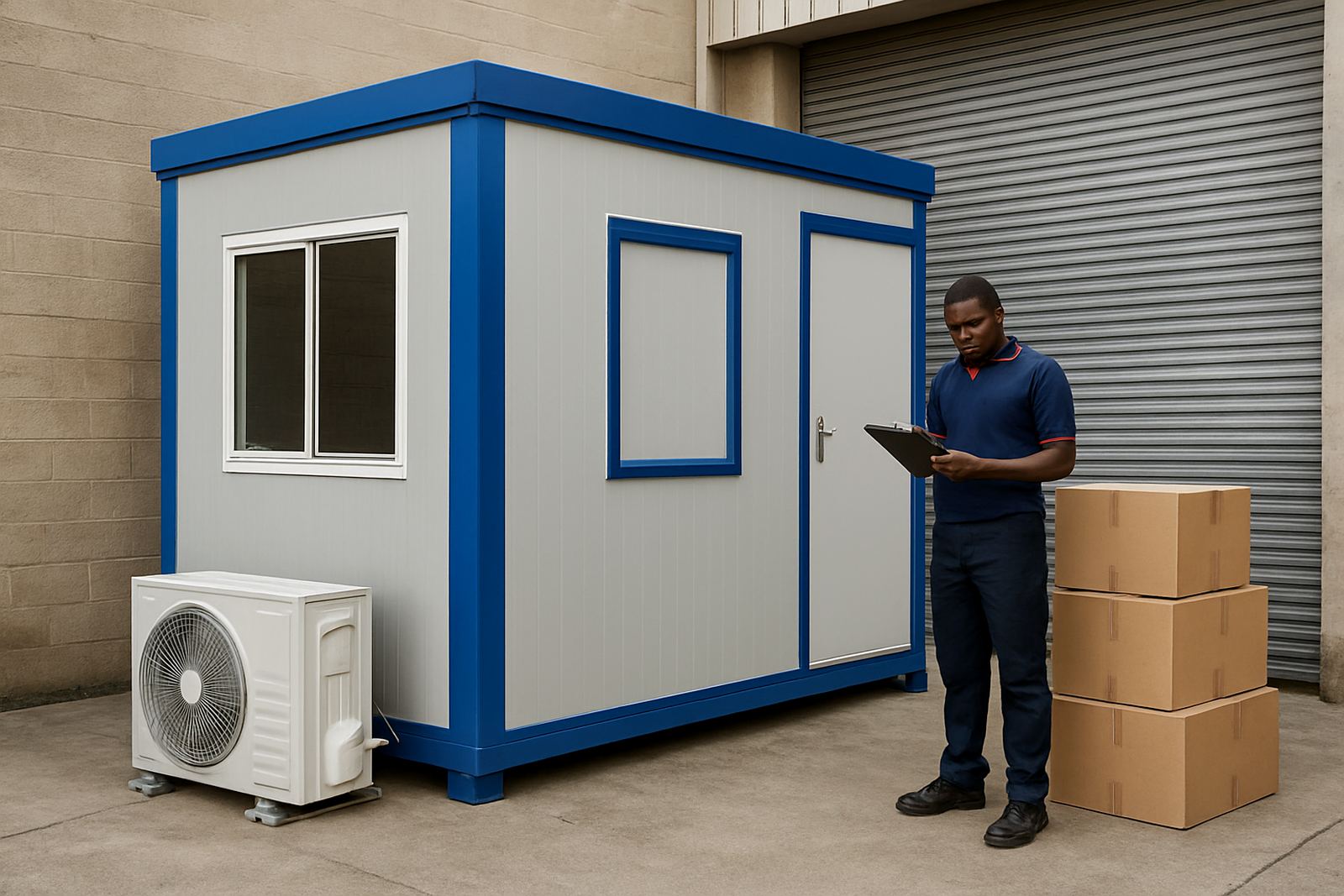
As a guide, small office or guard room installations may start from around R9 500 to R18 000, depending on the unit size and installation conditions. Medium warehouse office or packing area solutions can range from R18 000 to R45 000. Larger commercial jobs, especially where more than one zone is involved, can move from R45 000 upward. Repairs such as leak checks, gas top-ups, capacitor changes or drain clearing are usually far less than a full replacement, but the exact figure depends on parts and access.
For businesses watching cash flow, a staged plan often works best. Fix the urgent fault, then schedule the upgrade or extra unit before summer peaks.
Maintenance plans that suit active Durban operations
Warehouses work long hours and often run with doors opening and closing all day, so aircon maintenance should be done before the hottest months, not after the first breakdown. A proper service can improve airflow, reduce nuisance trips and help the unit cope with dusty conditions from delivery traffic, packing materials and nearby industry.
Our team in Clairwood supports businesses across Durban Central, South Durban, North Durban, West Durban and greater eThekwini. We can help with planned maintenance, emergency breakdown call-outs and spare parts supply so you are not waiting days for a basic component. Kavitha Naidoo leads the business, with Anele Mkhize, Yusuf Ismail, Nokuthula Zungu, Ridwaan Khan and Kgaogelo Mashaba keeping jobs moving from first call to final handover.
- Service before summer and again after the peak season if the site runs hard
- Keep a record of fault codes, leak repairs and gas top-ups
- Check drains, filters and outdoor coils at every service visit
- Match the maintenance plan to the actual operating hours of the warehouse
When to call for urgent warehouse repairs
If a unit is blowing warm air, leaking water over stock, tripping breakers, or making unusual noise, do not leave it until the next service round. Small faults in a warehouse often grow quickly because the system is under daily pressure. A failed fan motor or weak capacitor can stop cooling completely, and a slow refrigerant leak can damage the compressor if it is ignored.
We handle breakdown call-outs, fault finding, compressor replacement, controls repair and regas with leak checks. For warehouses, the best repair is the one that solves the root problem and gets the space back into working order without repeat failures. If you need practical support in Clairwood or anywhere in eThekwini, Aircon Depot is set up for supply, install and repair work that fits the site and the budget.