Cooling that keeps lessons going in Durban heat
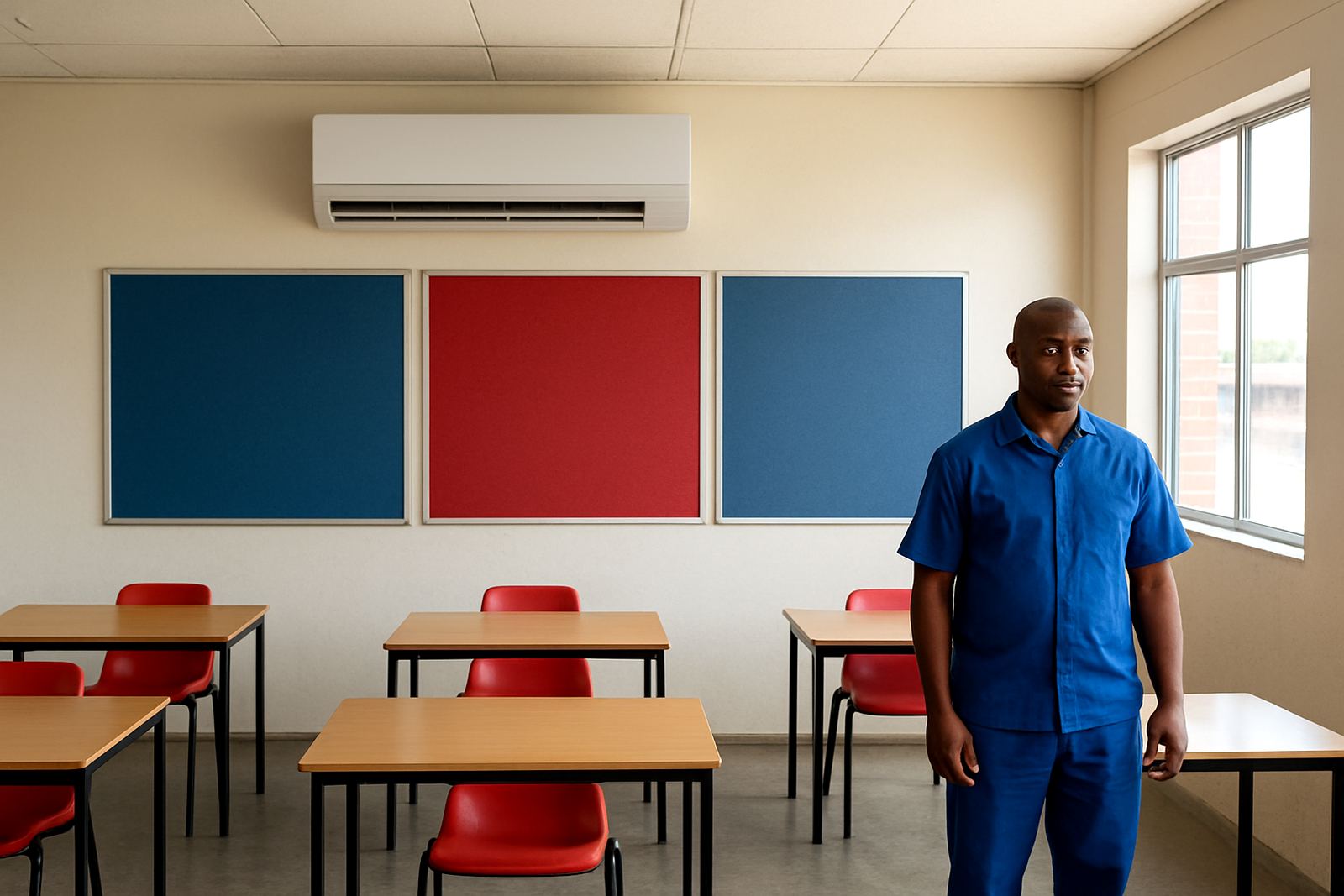
In schools, comfort is not about luxury. It is about keeping learners settled, teachers focused and admin staff working without the room becoming sticky by mid morning. Durban humidity can make a classroom feel warmer than the thermometer says, and south coast salt in the air puts extra strain on outdoor units and fittings. We plan school cooling with that in mind, especially where rooms face direct sun, windows stay open, or there is heavy movement between classes.
We work with domestic size split units for small offices and sick rooms, plus larger wall mounted or ceiling cassette systems for classrooms, libraries and meeting rooms. For halls and bigger admin areas, the layout has to suit the actual room use, not just the floor size. A class of 30 learners, a projector, and two windows that sit in the sun need different treatment from a quiet staff office. The right system should cool well, drain properly and still be simple to reach for cleaning and service.
Typical school equipment and where each unit fits
Most school projects use a mix of units rather than one type across the whole site. That lets you match capacity to the room and keep power use under control. It also makes future repairs easier because the school does not depend on one oversized system for everything.
- Wall mounted split units for classrooms, small offices and reception areas
- Ceiling cassette units for larger staff rooms, libraries and boardrooms
- Floor standing units where wall space is limited
- Outdoor condensers placed where there is airflow and safe access
- Controls, isolators and drainage lines set up for easy checks
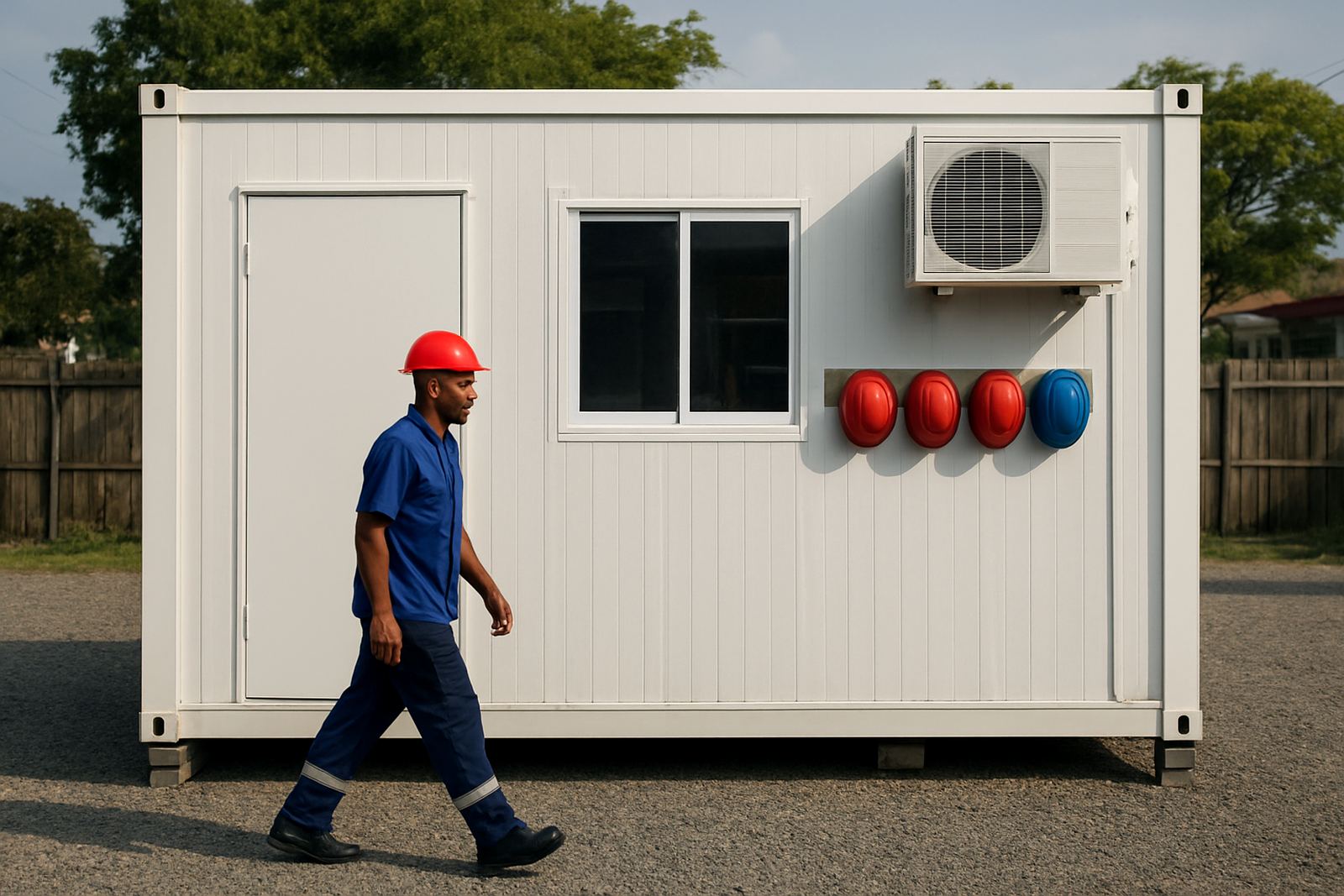
For schools near the coast or on busy roads, we also look at corrosion protection and mounting height. Outdoor equipment should not sit where it gets splashed, kicked, blocked by overgrown plants or damaged during deliveries. In older buildings, a unit may need extra support brackets or a better drain route to stop water staining on walls and ceilings.
Planning advice for classrooms, staff rooms and admin blocks
School layouts change over time, so the installation has to be practical from the start. A classroom unit should not blow straight onto counters or pick up noise from a corridor. A staff room unit should cool quickly during breaks but not fight a constantly opening door. Admin blocks often need more stable temperature control because computers, printers and files do not cope well with heat and damp air.
We usually advise schools to plan around access for service, drainage and electrical supply before choosing the final position. If a ceiling void is crowded, a cassette unit may be harder to service later. If outdoor units are too high or boxed in, cleaning filters and checking gas pressures takes longer and call-outs cost more. Good planning also helps during load-shedding, because the installation can be set up for safe restart and better recovery when power returns.
For phased upgrades, it makes sense to start with the hottest rooms first. North-facing classrooms, IT rooms, sick bays and principal offices often show the first signs of heat stress. That way the school can spread spend across terms or budget cycles without leaving the worst rooms untreated.
Common mistakes schools make with air-conditioning
We often see schools waste money by oversizing some rooms and under sizing others. Another common issue is poor maintenance access. A unit mounted above fixed cupboards, behind a security gate or over a busy passage may work for a while, but service becomes awkward and filters get left too long. That leads to poor airflow, more power use and breakdowns during peak heat.
Other mistakes are easy to avoid if the school thinks ahead:
- Placing outdoor units in areas with no airflow or direct salt spray
- Ignoring drainage, then dealing with dripping ceilings and damp walls
- Skipping regular filter cleaning during term time
- Waiting for a compressor fault before calling for a check
- Using one room control setting for very different spaces
Schools also forget that a unit can fail because of small parts, not just major components. Capacitors, contactors, fan motors and blocked drains are common service items. A quick fault find often saves a bigger repair later, and it keeps classrooms open instead of closing a room for a full day.
Maintenance that works around the school calendar
School air-conditioning needs planned maintenance, not only emergency repair. Term breaks are ideal for deep cleaning, leak checks, gas checks and inspection of wiring, drains and filters. That gives us time to work without interrupting lessons and helps prevent the first hot week of term becoming a breakdown week. Where the school runs aftercare or holiday programmes, we can plan work in sections so parts of the site stay active.
Regular maintenance helps with:
- Lower risk of sudden breakdowns during exams or peak summer heat
- Cleaner indoor air in classrooms and staff rooms
- Better control of damp smell and mould in closed rooms
- Longer life for compressors, motors and control parts
- Less disruption when power returns after load-shedding
For coastal schools and older buildings, we recommend more frequent checks because corrosion and blocked drains show up faster. If a unit starts making noise, dripping or cycling too often, it should be inspected before the fault spreads to other parts.
Budget ranges for school cooling in Rand
Budgets depend on room size, ceiling height, pipe runs, access and how many rooms the school wants to do at once. A small staff room or admin office can often be handled at a lower cost than a full classroom block with multiple units and longer pipework. Schools should also allow for maintenance after installation, because the first year usually shows whether the layout suits the building or needs a small adjustment.
As a rough guide, a basic single room installation may start from around R12 000 to R18 000 for a standard wall mounted unit, depending on capacity and site conditions. Larger classroom or open plan installations can move into the R20 000 to R45 000 range per room or zone when extra piping, mounting, electrical work and access equipment are needed. Repairs vary widely, from smaller service call-outs and component replacements to compressor work that can reach several thousand Rand. Planned maintenance is usually the most affordable way to keep a school running because it reduces repeat breakdowns and emergency call-outs.
If the school needs a phased approach, we can help prioritise the hottest rooms first and map out the rest over time. That way the spend stays controlled and the spaces most used by staff and learners get attention first.
Why school managers call us for supply, repair and spares
Schools need a contractor who understands busy buildings, fixed timetables and the fact that a simple repair can turn into a day of disruption if it is not handled properly. We work from Clairwood, Durban and cover greater eThekwini, including Durban Central, South Durban, North Durban and West Durban. That means quicker response for breakdown call-outs, regas and leak checks, compressor replacement, fan motor repair, controls repair, drain blockages and deep clean service.
Our team keeps the focus on practical results. If a room needs a spare part, we source it. If a system needs a proper clean before the next term, we schedule it. If a fault keeps tripping a unit, we trace the cause instead of guessing. Schools want cooling that works on the timetable they already have, not a system that needs constant attention. That is the standard we work to.