What an underceiling unit is and why it gets chosen
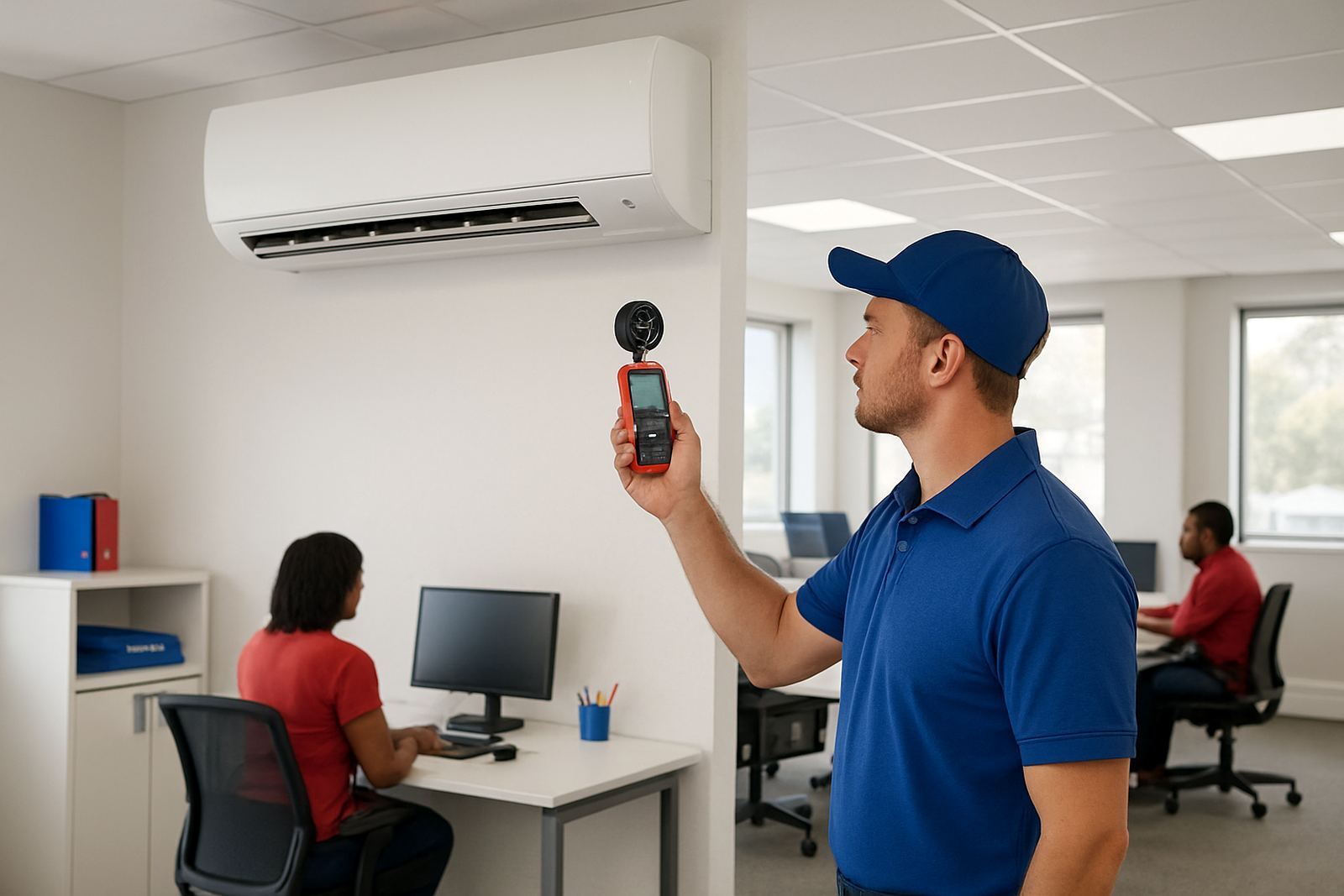
An underceiling unit is fixed high on the wall or just below the ceiling line, with air thrown across the room instead of straight down like a small split unit. That makes it a practical choice for spaces with long floor plans, open walkways, counters or shelving where you want steady cooling without taking up usable wall area.
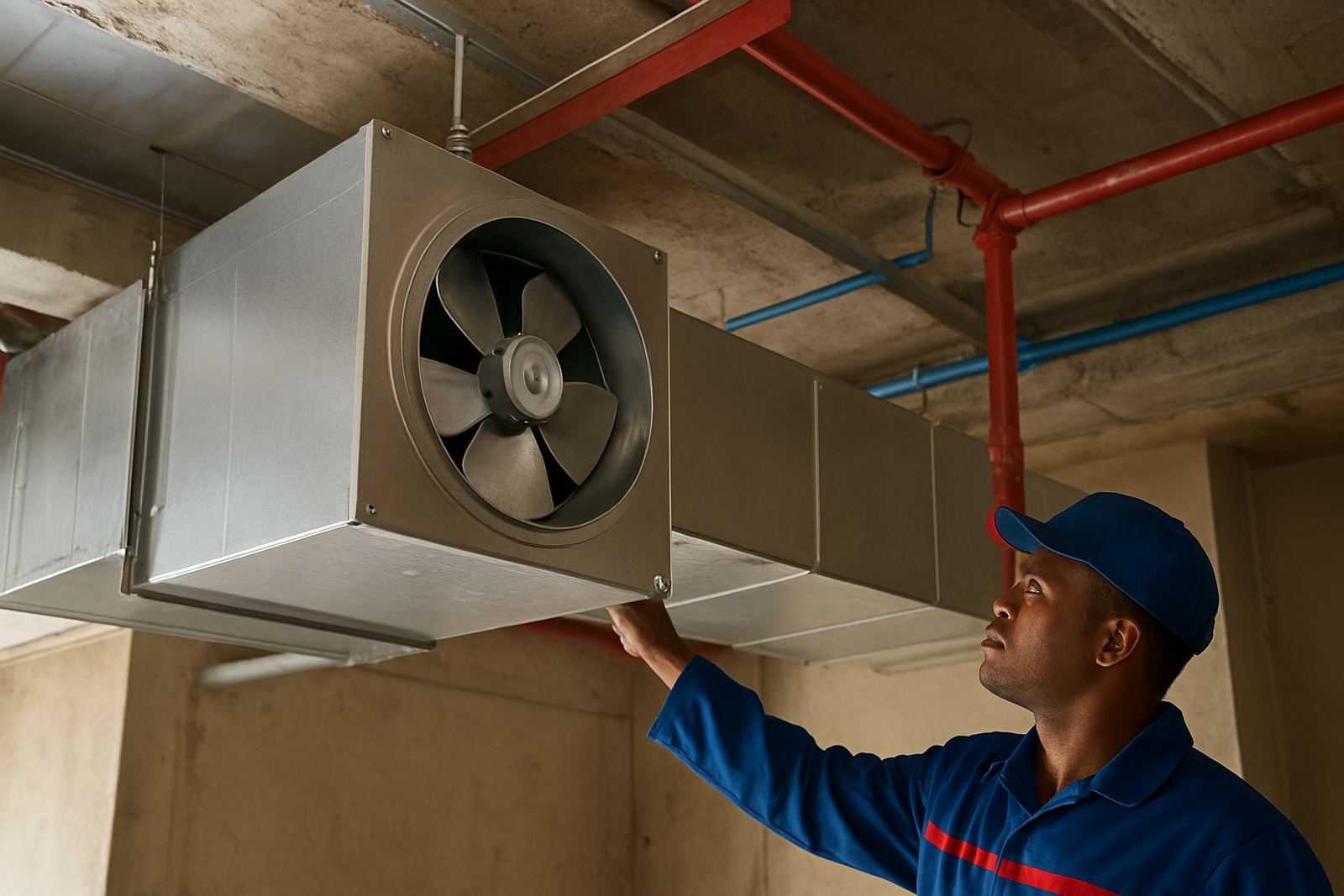
In Durban and the wider eThekwini area, these units are often used in premises that stay open through warm, humid months and need dependable airflow. They are also handy in buildings where the ceiling void is limited, or where a full ducted system is too costly or difficult to fit. The unit stays visible, which makes access for cleaning, leak checks and repairs much easier.
Because the indoor section is mounted up high, it can suit areas with people moving around below, provided the unit is set out of the way of doors, racking and stock. For business owners in Clairwood, Durban Central and South Durban, that practical fit often matters more than trying to hide the system above a ceiling that cannot take it.
Sizes, cooling ranges and control options
Underceiling units come in a range of capacities to match small offices through to larger commercial bays. The right size depends on room length, ceiling height, glass area, sun load and how many people and machines sit in the space. A unit that is too small will run hard all day and never quite catch up. One that is too large can short cycle and leave the room unevenly cooled.
Typical options include single-phase units for smaller premises and larger three-phase models for bigger commercial sites. Most systems can be set up with remote control, wired controller or simple thermostat control, depending on the make and the job. Some installations also need fresh air management or a paired outdoor section that is sized to suit the indoor coil.
- Small rooms and offices: around 2.5 kW to 5 kW
- Medium shops and studios: around 6 kW to 10 kW
- Longer commercial areas: around 12 kW to 20 kW and above
- Power supply: 230 V single-phase or 400 V three-phase depending on size
- Refrigerant circuit: matched indoor and outdoor units with correct pipe length and fall
Exact sizing should be confirmed on site. A bakery, computer room, storeroom or workshop office all load the system differently, even if the floor size looks similar.
Where an underceiling unit suits best
This type of unit is a good fit for long rectangular rooms where air needs to travel across the full length of the space. It is often chosen for retail shops, workshop offices, prayer rooms, school rooms, corridors, canteens and light industrial areas. In coastal parts of Durban, where salt in the air can affect external components, proper placement and servicing matter just as much as the size of the unit.
It also suits premises that need a straightforward install without major ceiling work. If the ceiling is low, uneven or already full of services, an underceiling unit avoids a lot of building disruption. For owners who need access for regular servicing, the open installation can be an advantage.
- Long rooms with one main air path
- Shops with shelving along the walls
- Workshop offices and back rooms
- Premises with limited ceiling void space
- Areas needing easy access for maintenance
It is less ideal for spaces where the unit would blow directly onto people for long periods, or where the room shape creates dead spots. In those cases we assess the site and advise on air throw, unit position and whether more than one indoor unit is needed.
Installation needs, power and gas requirements
A proper install starts with checking the wall strength, drain route, electrical supply and outdoor unit position. The indoor unit needs a firm mounting point and enough clearance for return air and filter removal. Drainage is important, especially in humid Durban conditions where the unit can produce a fair amount of condensate during long running hours.
The electrical side must match the unit size and starting load. Smaller systems can work on single-phase supply, while larger commercial models usually need three-phase power and proper isolation. If the building is on a generator or gets affected by load shedding, we look at restart conditions and whether the system needs extra protection for voltage dips and surges.
Refrigerant pipe size, line length and gas charge all need to match the manufacturer requirements. If the pipes are too long, kinked or undersized, the unit will struggle and the compressor may wear faster. For coastal and industrial areas, we also check for corrosion risk on brackets, fasteners and the outdoor position.
- Clear wall or high-level mounting space
- Safe access for pipe route and electrical isolation
- Working drain fall or pumped drain if needed
- Matched outdoor unit and correct refrigerant charge
- Suitable circuit breaker and cable size
Care, servicing and common fault checks
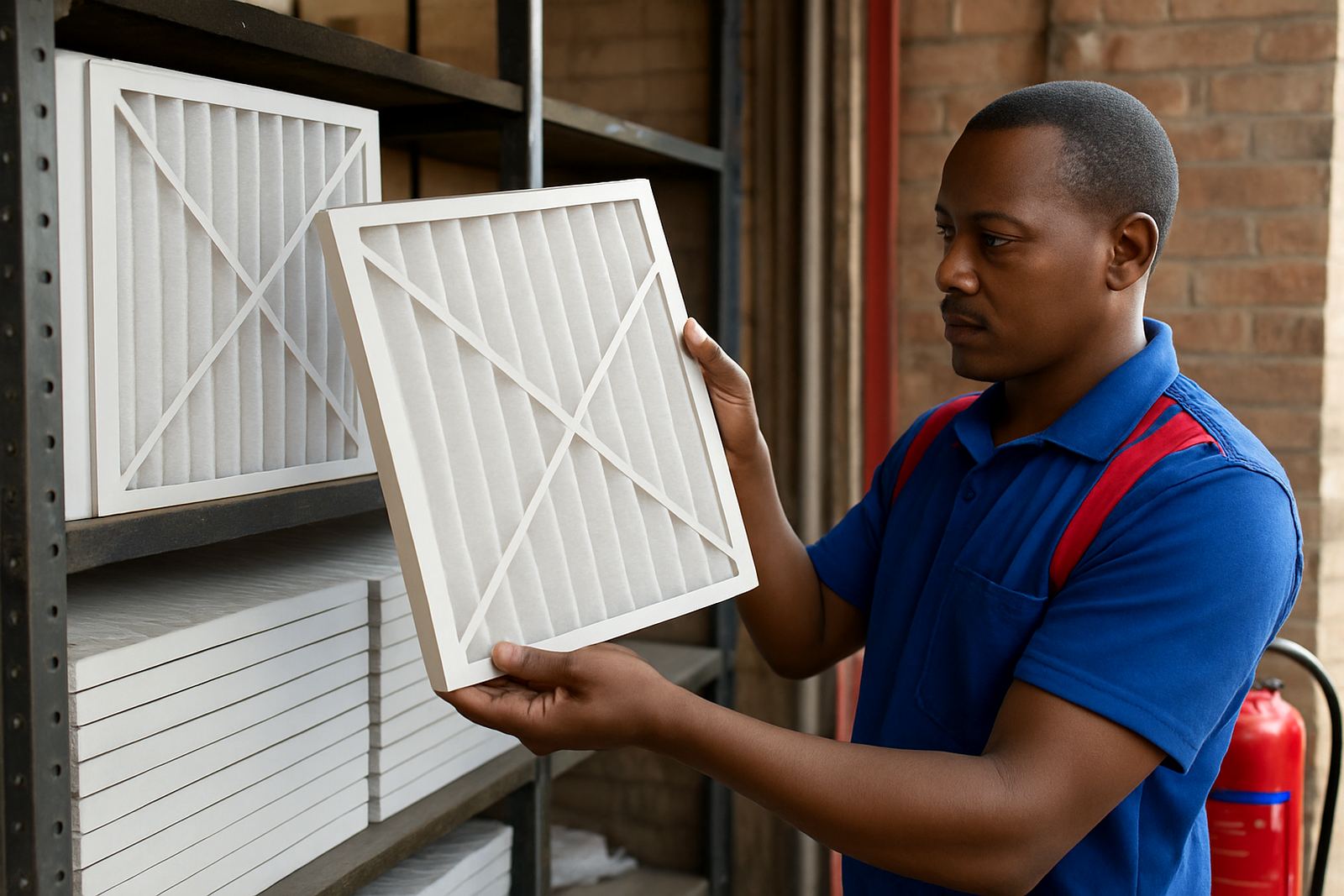
Underceiling units need regular cleaning and inspection if they are to keep pushing air properly through the room. Filters collect dust quickly in busy shops, workshops and roadside premises, and blocked filters reduce airflow. That can lead to weak cooling, ice on the coil or the unit cycling for longer than it should.
Our service work includes fault finding, regas and leak check, compressor replacement, fan motor repair, capacitors and contactors, drain blockages, deep clean service, planned maintenance, controls repair and breakdown call-out. In Durban, blocked drains and dirty coils are common because of moisture, dust and coastal air. A unit may seem to be low on gas when the real issue is a blocked coil, poor airflow or a leak at a joint.
When a unit is serviced on time, it usually runs quieter, cools more evenly and draws less power. That matters during the hot months when businesses are trying to keep stock, staff and customers comfortable without pushing the system too hard.
What to check before you order
Before ordering an underceiling unit, it helps to measure the room properly and think about how the space is used. A 12 m room with an open front needs a different setup from a closed office of the same size. Check ceiling height, wall structure, power supply and where the outdoor unit can sit without causing noise or drainage problems for neighbours.
You should also check whether you need cooling only, or whether the room needs heating too. In some parts of eThekwini, businesses run cooling for most of the year, but a few premises still want reverse-cycle heating for winter mornings. The controller type matters as well, especially if the unit is going into a staff area where simple operation is preferred.
- Room length, width and ceiling height
- Number of people and heat-producing equipment
- Single-phase or three-phase power availability
- Outdoor unit location and service access
- Drain route and wall strength for mounting
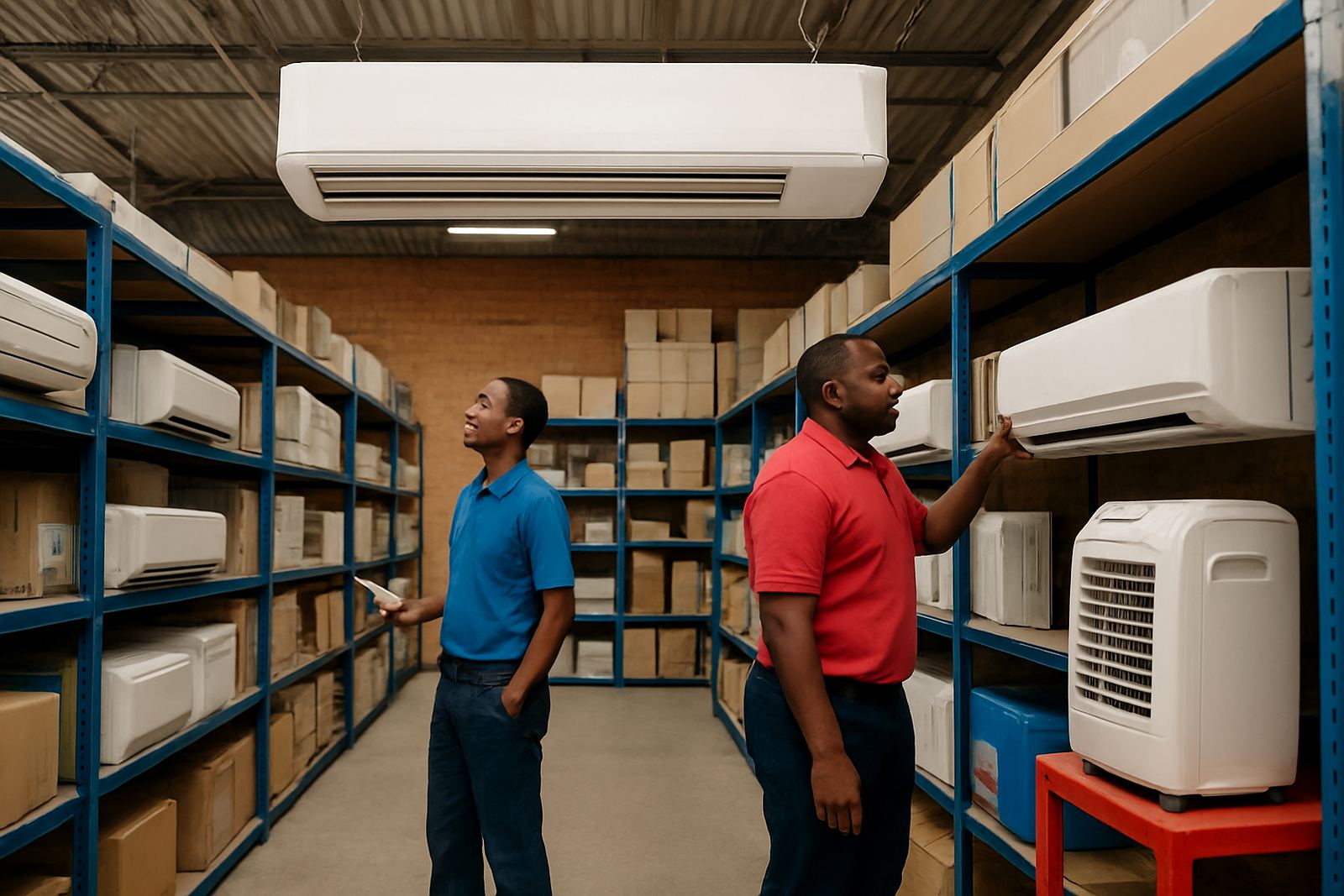
- Whether spare parts and gas support are needed later
If you are unsure, send the room dimensions and a few photos. That usually helps us work out the right capacity and whether a single unit will do the job or if the site needs a different layout.
Key facts
| Product type | Exposed ceiling-mounted air-conditioning unit |
|---|---|
| Typical capacities | About 2.5 kW to 20 kW plus, subject to site |
| Power supply | 230 V single-phase or 400 V three-phase |
| Best room shape | Long rooms and open commercial spaces |
| Installation needs | Indoor mounting, outdoor unit, drain, electrical supply and refrigerant piping |
| Main use areas | Shops, offices, workshops, halls and back rooms |