What a multi split outdoor unit does
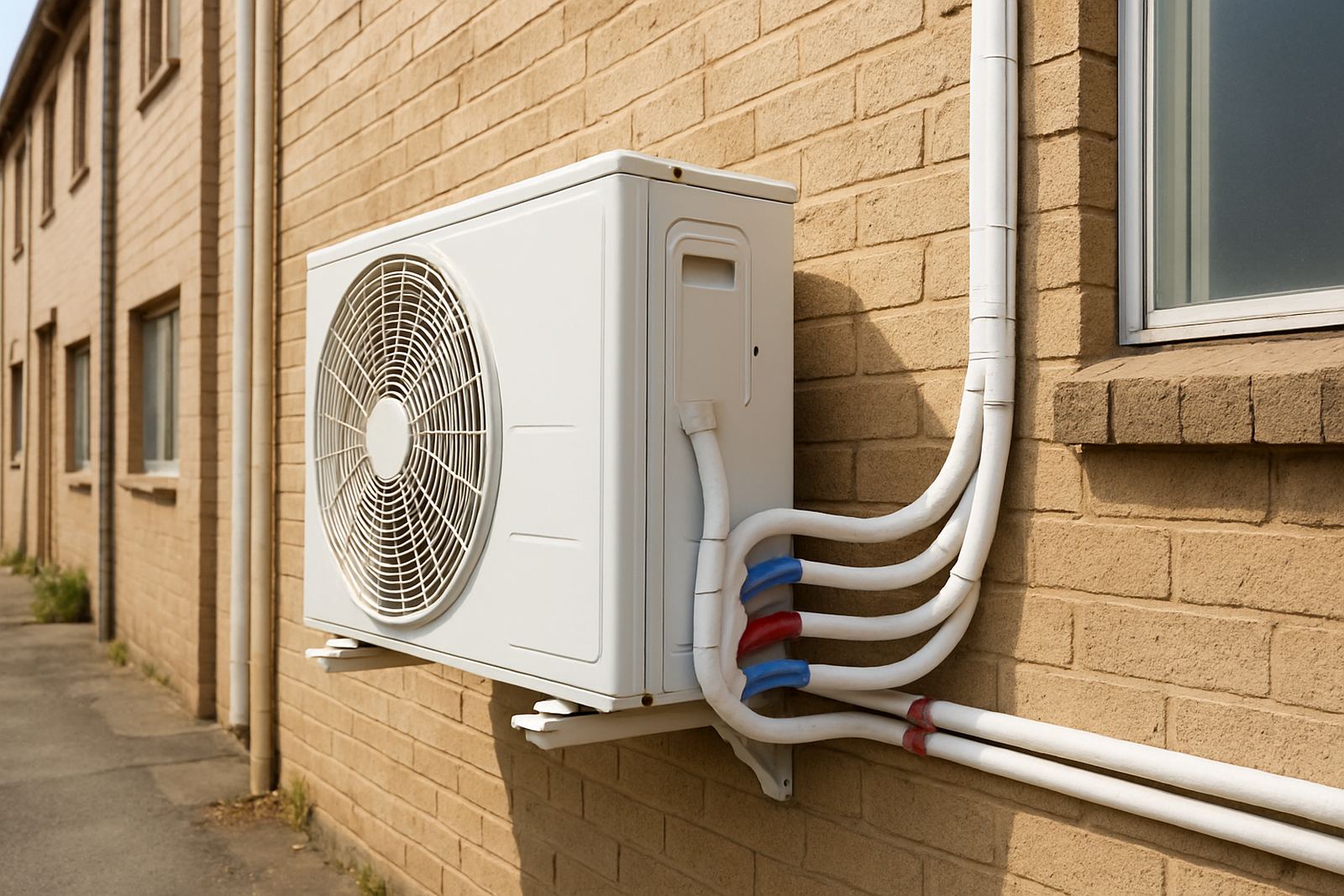
A multi split outdoor unit is the outdoor side of a system that feeds two or more indoor units from one condenser. Instead of fitting a separate outdoor unit for each room, the system shares one set of pipework, one power connection and one refrigerant circuit. That can save wall space, cut the number of outdoor boxes on the property and make the setup neater around courtyards, passages and boundary walls.
In Durban this suits a lot of properties because space is tight and weather is hard on equipment. Coastal air brings moisture and salt, while summer heat pushes systems to work harder for longer hours. A well sized multi split setup can handle bedrooms, a lounge and a small office or reception area from one outdoor unit, as long as the indoor capacities are matched properly. It is not a one size fits all system, so the room sizes and heat load need checking before ordering.
Sizes, room counts and common layouts
Multi split outdoor units are usually selected by total connected capacity and by how many indoor units they can support. The smallest sets may run two indoor units, while larger units can serve three, four or even five rooms. The important point is not only the number of indoors, but the combined capacity and the actual use of each room. A small bedroom and a sunny upstairs lounge are not the same load, even if both are under the same roof.
- 2 room systems for bedrooms, studies or a bedroom and small lounge
- 3 room systems for homes, compact offices or consulting rooms
- 4 to 5 room systems for bigger houses, clinics, restaurants or admin areas
- Mixed indoor sizes, for example 9,000 BTU in bedrooms and 18,000 BTU in a living area
For most domestic jobs in Clairwood, Durban Central or the coastal suburbs, the system is planned around actual room sizes and wall lengths, not just floor area. If one room faces afternoon sun or has high ceilings, it will usually need more capacity. That is where a site visit helps, because the wrong pairing can leave one room too cold and another room never reaching temperature.
Where this type of system works best
These units suit properties where indoor comfort is needed in several rooms but outdoor space is limited. In a family home it can cool bedrooms without adding multiple condensers on the side wall. In a small office or practice it allows different rooms to be controlled separately, which is useful when one room is occupied all day and another only part of the week. They also work well in guesthouses, salons, small retail spaces and light commercial offices.
We often recommend a multi split arrangement where a client wants cleaner exterior walls, lower noise near living areas and better control over running costs. It is also handy where the municipality or body corporate is strict about wall clutter, visible pipework or noisy equipment near neighbours. If the property is in a coastal area, the outdoor unit should be mounted where it gets good airflow and easy servicing access, not squeezed behind a wall where salt and damp air sit trapped.
- Homes with multiple bedrooms and limited yard space
- Offices with separate rooms and variable occupancy
- Shops, salons and consulting rooms needing independent control
- Properties where body corporate or municipal rules affect outdoor unit placement
Installation needs, power supply and refrigerant
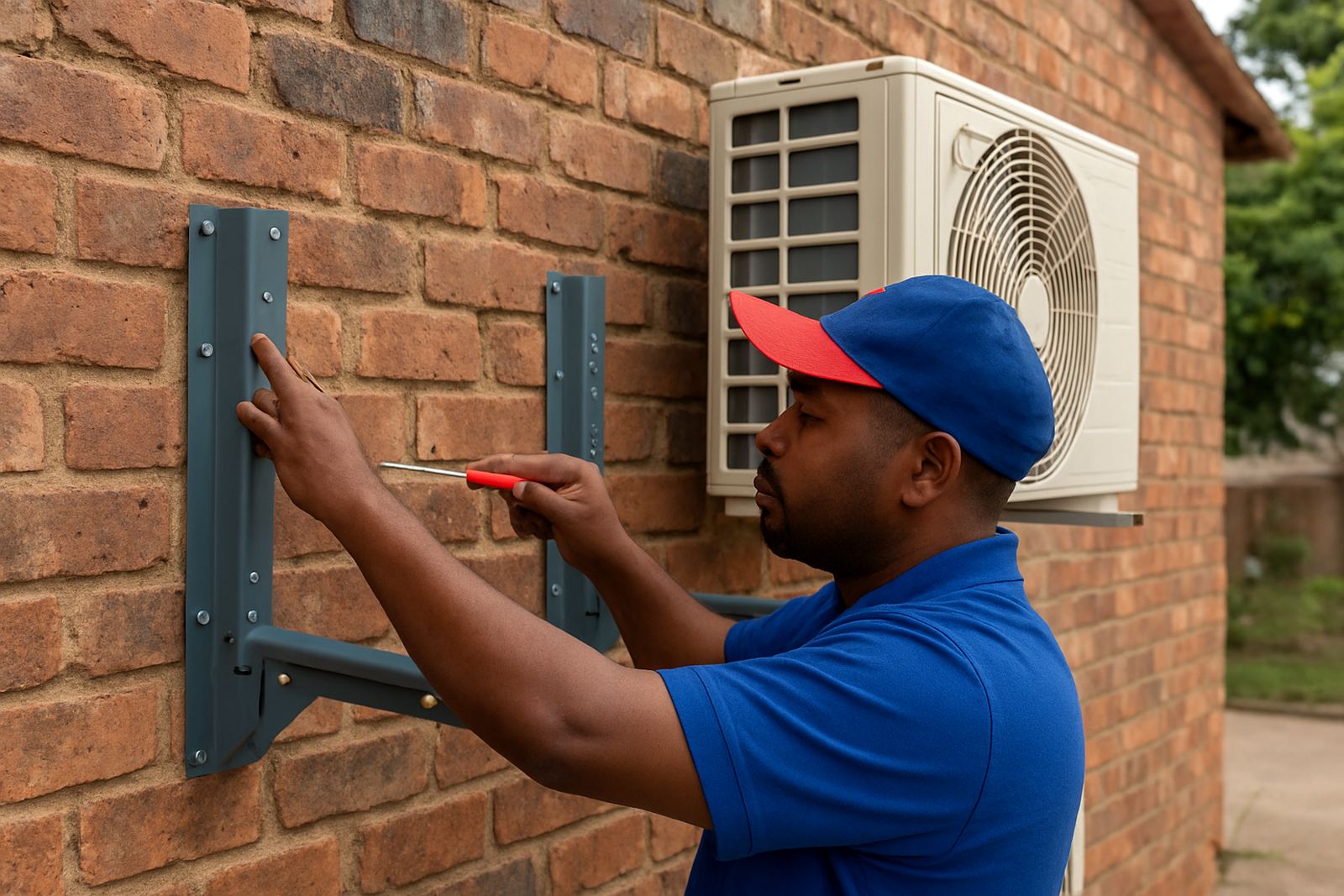
Correct installation matters as much as the unit itself. The outdoor condenser must be mounted level on a firm base or brackets, with enough clearance around it for airflow and maintenance. Each indoor unit needs the right pipe size, proper insulation and a drain route that will not cause backflow or water stains. If the drain lines are not pitched correctly you can end up with dripping indoors or blocked lines after a few months, especially in humid weather.
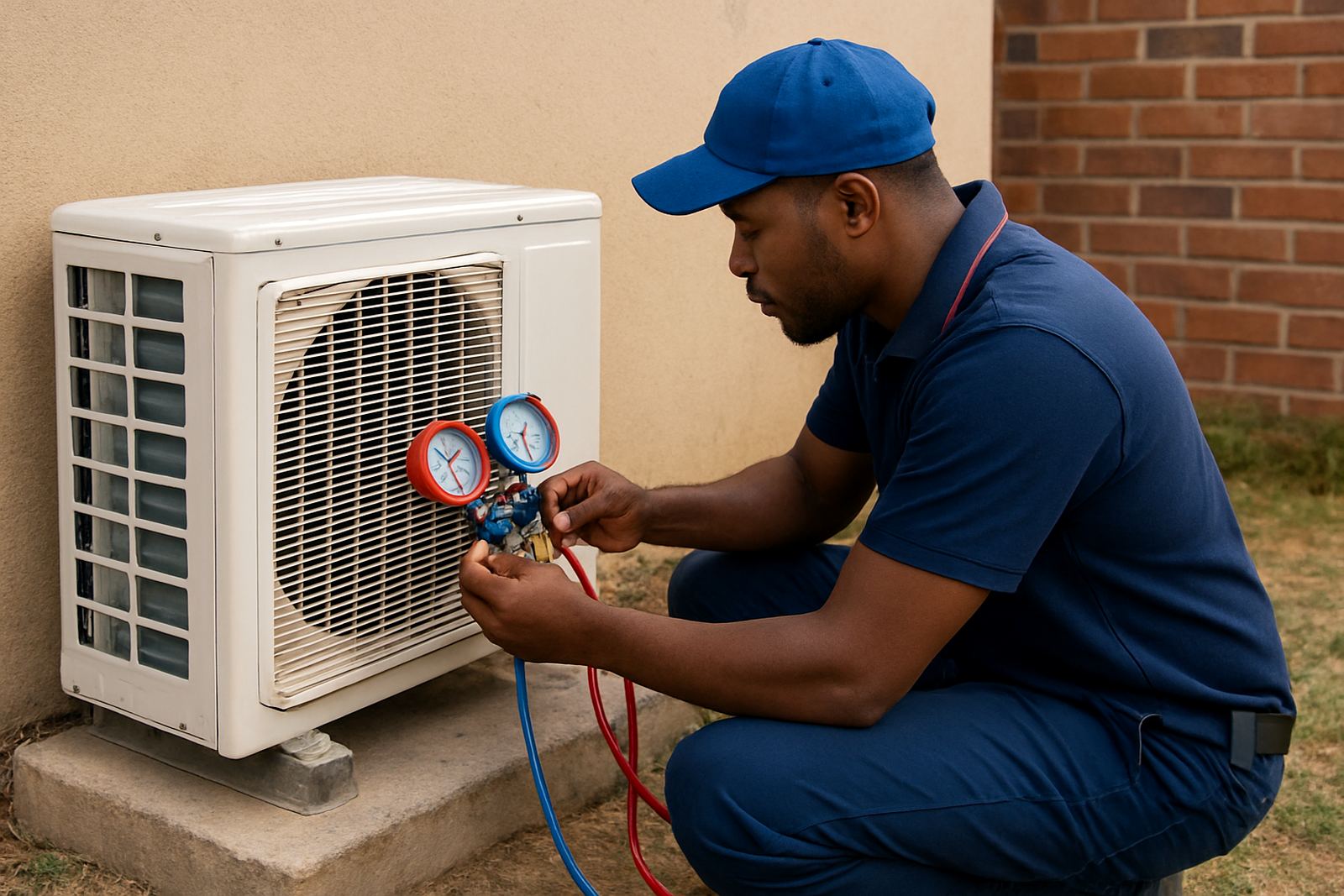
Power supply needs to be checked before the job starts. Some multi split systems draw more current than a single room unit, so the cable size, isolator and breaker must match the manufacturer requirements. On sites with load-shedding history or unstable supply, the installer should also check whether the system can tolerate the starting load without nuisance tripping. Refrigerant charge is just as important: the line length, number of indoor heads and pipe routing all affect the final gas charge. Too much or too little refrigerant can cause poor cooling, icing or compressor strain.
At Aircon Depot we handle the full supply and installation process in Clairwood and across greater eThekwini, including site checks, pipe runs, condensate drainage and final testing. We also look at access for future service work, because a unit that cannot be reached for cleaning will cost more later.
What to look after once the system is running
Multi split units need routine care to keep them efficient and to protect the compressor. The indoor filters should be cleaned regularly, more often in dusty areas or where the aircon runs daily. The outdoor coil needs to stay free of leaves, dust and salt build-up, and the drain line should be checked so it does not block. If the system starts making odd sounds, loses cooling or cycles on and off too often, it is best to check it early rather than wait for a breakdown.
- Wash or vacuum indoor filters every few weeks
- Keep outdoor coils clear of dust, plastic and garden waste
- Check that drain water is flowing away properly
- Book planned maintenance before the hot season starts
For Durban conditions, a deep clean once or twice a year is often worthwhile, especially near the coast where grime and moisture build up faster. During maintenance we can also inspect capacitors, contactors, fan motors, controls and refrigerant levels. That helps avoid expensive compressor failures later on. A unit that is serviced properly tends to cool faster and use less power, which matters when electricity costs keep rising.
What to check before you place an order
Before ordering a multi split outdoor unit, it helps to have a clear list of the rooms and their requirements. Measure each room, note which way it faces, and mention any large windows, skylights, server equipment or cooking heat nearby. If the property has existing aircon pipework, we need to know the pipe sizes and whether the old layout can be reused. If not, new pipe runs and drains will be planned from scratch.
You should also check whether the indoor units are going into bedrooms, an open plan lounge, a boardroom or a shop floor. That affects the capacity split and the controls. In some homes, clients want one bedroom cooler than the rest at night, while in offices different rooms need separate temperature settings during the day. We can advise on the best combination, then confirm the gas type, pipe lengths and electrical requirements before installation day.
If you are unsure, send the room details, photos of the proposed outdoor position and the address in Clairwood, Durban Central, South Durban, North Durban, West Durban or another eThekwini area. Kavitha Naidoo and the team will guide the spec and arrange supply, install or repair as needed. It saves time on site and helps avoid the wrong unit being ordered.
Key facts
| Product type | Multi split outdoor condenser |
|---|---|
| Use | One outdoor unit serving multiple indoor rooms |
| Typical capacity range | About 18,000 BTU to 48,000 BTU total, depending on room load |
| Indoor support | 2 to 5 indoor units, model dependent |
| Refrigerant | Specified to the system design and charge length |
| Installation needs | Correct pipe sizing, drainage, electrical isolation and airflow clearance |