What a multi split indoor unit does in the home or office
The indoor unit is the part you see on the wall, ceiling or floor inside the room. It takes the cooled or heated air from the outdoor unit and moves it through the space, while also pulling moisture out of the air. In Durban that moisture removal matters just as much as temperature, because coastal humidity can make a room feel sticky even when the thermometer is not extreme.
A multi split arrangement links two or more indoor units to one outdoor condenser. That setup is useful when different rooms need different temperatures, or when you do not want several outdoor units on a small property. It also helps where building rules or body corporate limits the number of visible outdoor boxes on a wall or balcony. We often see it used in townhouses, upstairs bedrooms, salons, consulting rooms and compact offices.
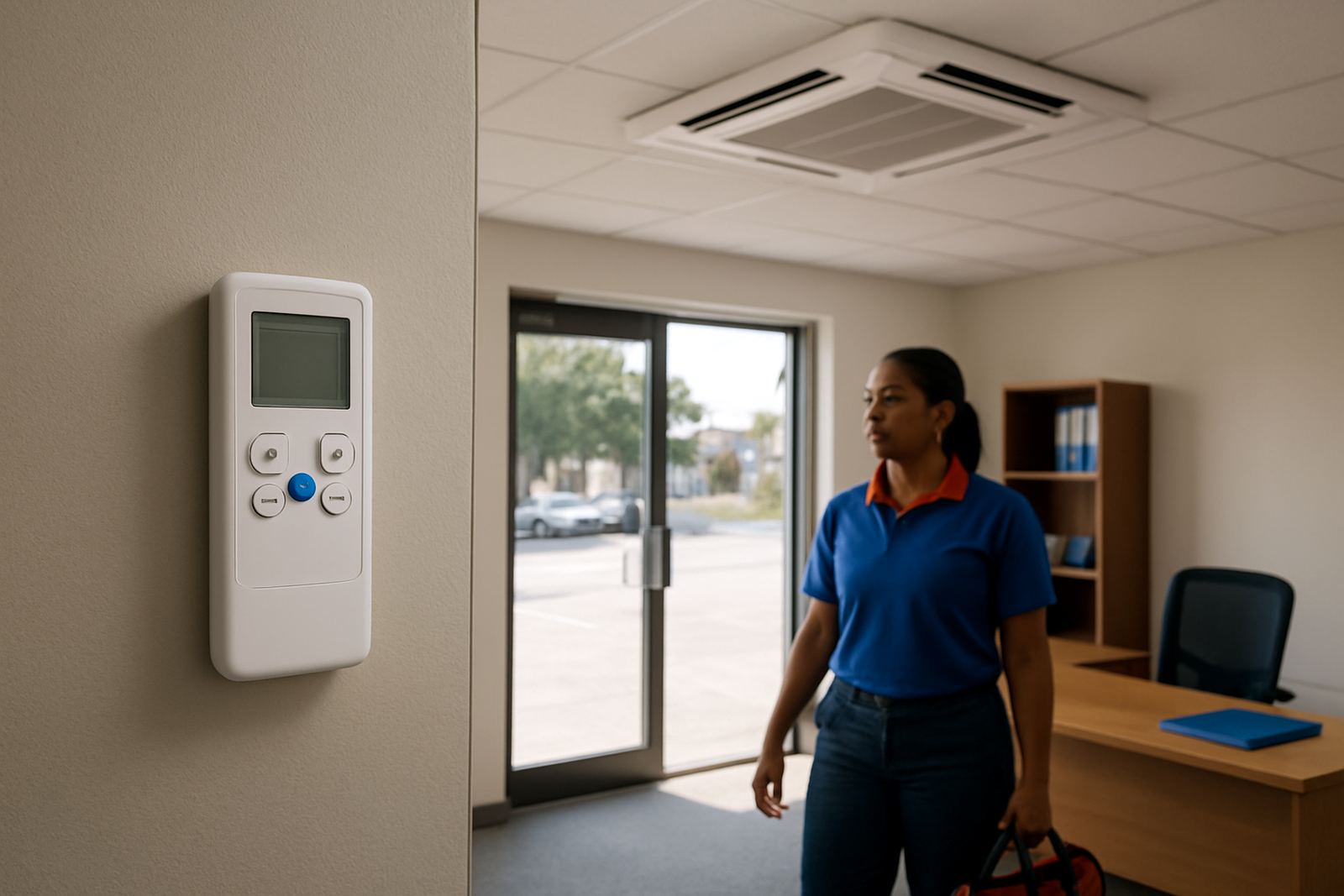
Each indoor unit can usually be set on its own remote control, so one room can run at 22 degrees while another sits at 24 or 25. That is handy for families, staff rooms and customer areas where usage changes through the day.
Common sizes, styles and room matching
Multi split indoor units come in different capacities and styles, and the right choice depends on room size, sun exposure and how many people use the room. A small bedroom may only need a compact wall unit, while a bigger living room or open-plan office may need a higher capacity unit or a different indoor style. Ceiling height, window area and insulated roof space all affect the result.
Typical indoor sizes we work with include 9 000 BTU, 12 000 BTU, 18 000 BTU and 24 000 BTU units, with larger commercial room units available when needed. Wall mounted units are the most common for homes and small offices. Ceiling cassette units suit larger open rooms and help spread air more evenly. Floor standing indoor units can work well where wall space is limited or the room layout makes a wall mount awkward.
- 9 000 BTU to 12 000 BTU: bedrooms, small studies, small treatment rooms
- 18 000 BTU: main bedrooms, medium lounges, small offices
- 24 000 BTU and above: larger living areas, boardrooms, retail spaces
- Wall, ceiling cassette or floor standing styles depending on layout
Correct matching is important. An indoor unit that is too small will run hard all day and never quite reach temperature. One that is too large can short cycle and leave the room cold but clammy. The best result comes from matching the room size and use pattern to the unit capacity and the outdoor condenser it will be linked to.
Where multi split indoor units suit best in Durban
These units suit properties where several rooms need cooling but the available space for outdoor units is limited. In Clairwood and the South Durban area, we see good use in family homes with bedrooms on different sides of the house. In Durban Central and West Durban, they are common in apartments, offices and smaller commercial units where external wall space is tight.
They also work well in places that need separate temperature control by room. That includes a home office, a back room used for laundry, a reception area, or a consulting room that must stay comfortable for visitors. If the property is close to the coast, the indoor unit choice should also take into account corrosion resistance and regular cleaning, because salt air and dust build up faster than many people expect.
- Homes with 2 to 4 rooms needing individual control
- Flats and townhouses with limited outdoor mounting space
- Small shops, salons and consulting rooms
- Bedrooms and living areas that are used at different times
For landlords and body corporates, a multi split arrangement can also simplify the outside appearance of the building. That said, pipe runs and drain routes still need to be planned properly, and municipal or estate rules should be checked before anything is mounted.
Installation, piping and electrical requirements
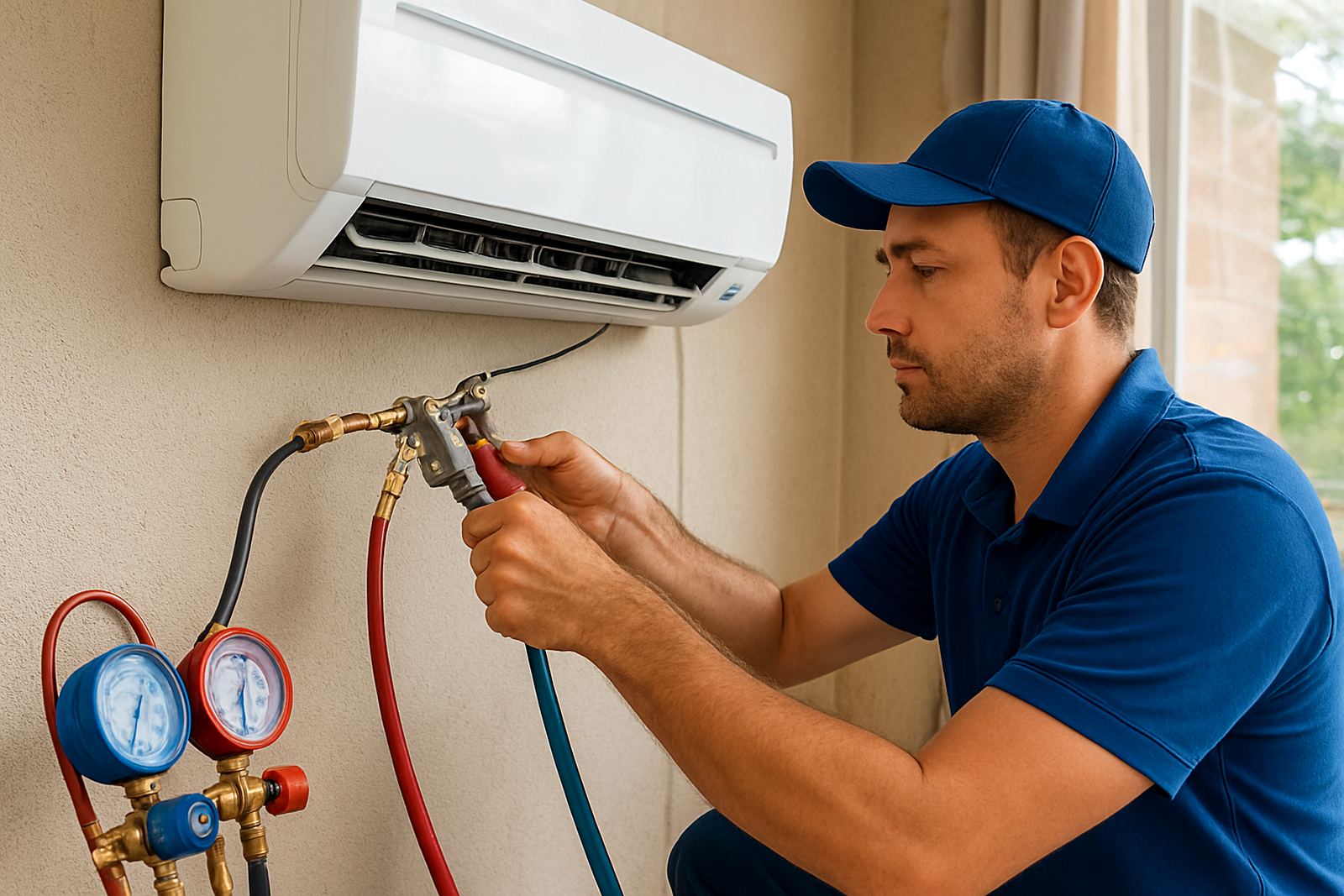
A multi split indoor unit must be installed with the correct pipe size, drain fall and electrical supply. The indoor head itself may be light, but the system behind it is not a casual fitting. The outdoor condenser, refrigerant lines and control wiring all have to be set up as a matched set. If the wrong pipe lengths or bends are used, performance can drop and gas pressure can be affected.
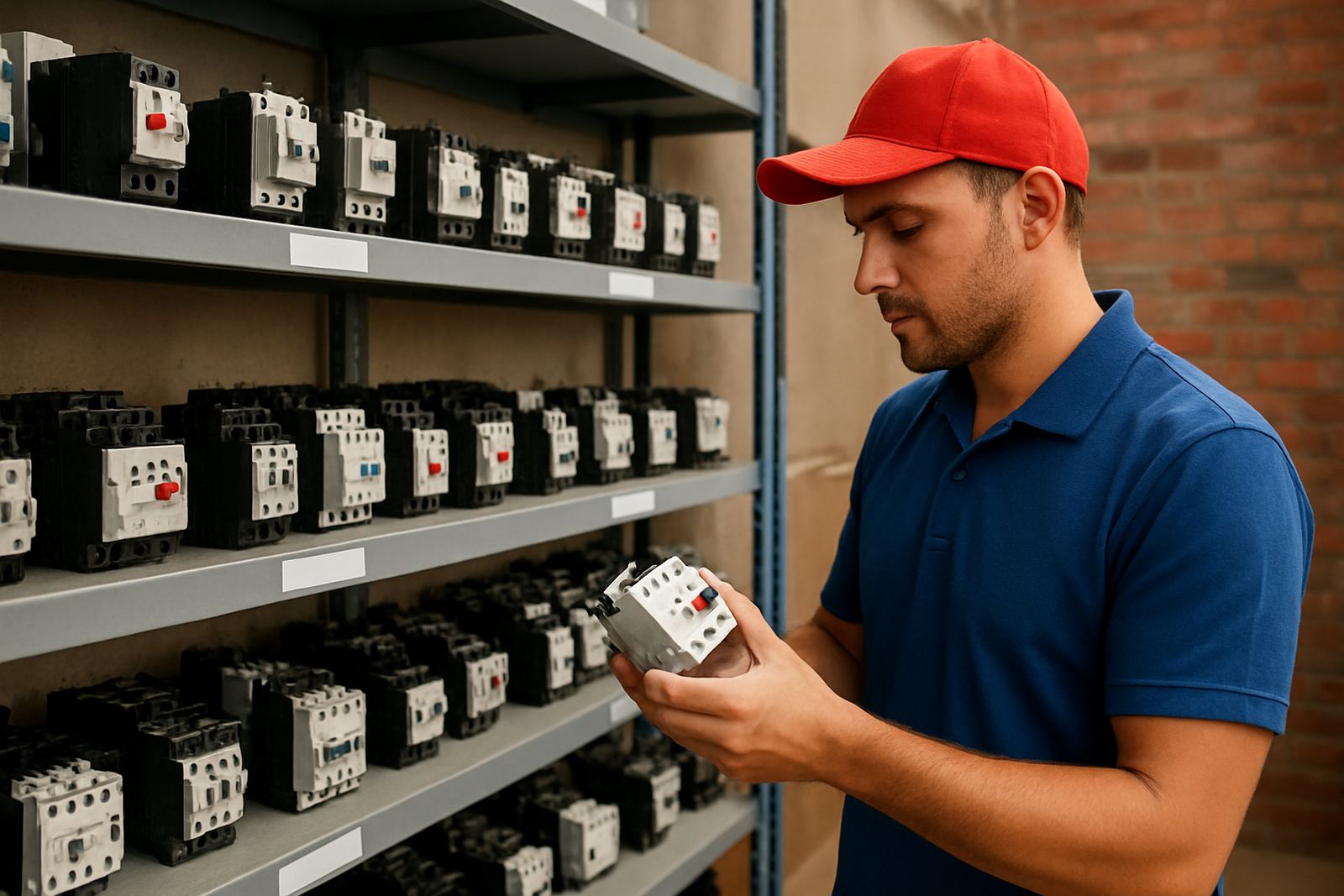
Most installations need a dedicated circuit, isolator and proper breaker sizing. We always check the available power before starting, especially in older homes or small businesses where the board has already been loaded with geysers, stoves, fridges and office equipment. In areas with load-shedding, many customers also ask about surge protection and restart behaviour after the power comes back. That should be planned from the start rather than sorted out after a fault.
Refrigerant gas type and charge depend on the outdoor unit and the pipe length. The indoor unit alone does not determine the gas, but the full set must be compliant with the specified refrigerant and installed to correct pressure procedures. If the lines are too long, badly flared or leaking, the system will lose cooling and may ice up. Drainage is just as important. A blocked drain can cause water to drip onto walls, flooring or ceilings, and that becomes a bigger issue in humid weather.
Care, cleaning and planned servicing
Indoor units need regular care to keep airflow strong and the room air fresh. In Durban, filters can load up quickly with dust, coastal moisture and fine dirt from open windows. A dirty filter makes the fan work harder and can push up electricity use. It can also spread a musty smell if moisture sits inside the unit for too long.
Simple upkeep between services includes washing the filters, keeping the front grille clear and making sure furniture does not block the air path. For deeper cleaning, the indoor coil, drain tray and fan barrel should be checked by a technician. Planned maintenance is especially useful for shops, offices and rental properties because it catches drain blockages, loose controls and low gas issues before a breakdown call-out is needed.
- Clean filters every few weeks in heavy use
- Book a deep clean service at least once or twice a year
- Check for water dripping, odour or weak airflow
- Arrange a regas and leak check if cooling drops off
If the unit starts rattling, stops responding to the remote or trips the supply, those are signs to have it checked. Early fault finding usually saves money compared with running the unit while it struggles, and it can prevent a small drain or fan issue from turning into a larger repair.
What to confirm before you order
Before ordering a multi split indoor unit, it helps to confirm the room size, how many indoor heads will be needed, and whether the wall or ceiling has space for the chosen style. You should also know where the outdoor condenser will sit, because pipe runs affect both installation cost and performance. If you already have a condenser, the indoor unit must match the system type and capacity range, not just the physical look.
It is also important to check ceiling height, window direction and whether the room gets afternoon sun. North and west facing rooms often need a little more capacity in Durban. Ask whether the unit will be used for sleeping, daytime work or customer-facing use, because that changes what feels comfortable. Noise level matters in bedrooms and consulting rooms. Air direction matters in boardrooms and salons. If the room is near the coast or in a dusty area, ask for advice on easier cleaning access too.
When you speak to us, have the room measurements ready, and if possible the number of rooms that need cooling. That lets us advise on the indoor unit sizes, the outdoor capacity needed and the pipe and power plan. A few minutes of checking up front can prevent a costly mismatch later. It is better to order the right head first time than to force a unit into a room it was never meant for.
Key facts
| Product type | Indoor room unit for a multi split air-conditioning system |
|---|---|
| Common capacities | 9 000 BTU, 12 000 BTU, 18 000 BTU, 24 000 BTU and larger options |
| Mounting styles | Wall mounted, ceiling cassette and floor standing options |
| Use areas | Bedrooms, lounges, offices, shops, salons and consulting rooms |
| Power needs | Requires matched outdoor condenser, dedicated circuit and correct isolator |
| Service needs | Filter cleaning, deep clean service, drain checks, fault finding and leak checks |