What an extractor fan does in daily use
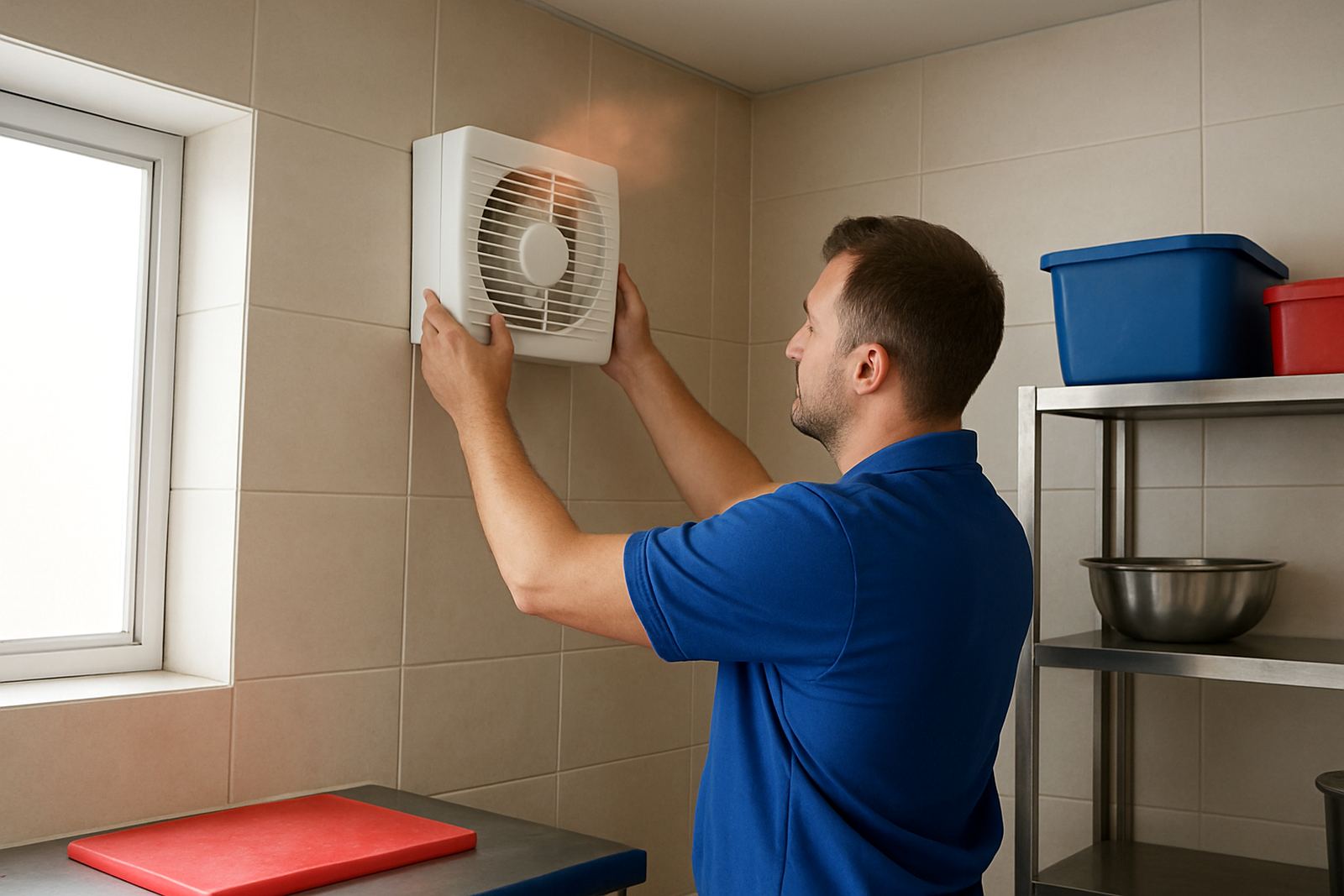
An extractor fan pulls air out of a room and pushes it through a duct, louvre or wall opening to the outside. In a Durban kitchen it can help clear cooking heat and steam, while in a storeroom it can reduce stale air and improve comfort for staff who are in and out through the day. In coastal areas like Clairwood and the wider eThekwini region, moving moist air out can also help reduce musty smells and damp patches.
These units are commonly used where natural airflow is poor, or where doors stay closed for dust, security or temperature control. They are not a substitute for proper air-conditioning in every case, but they do play an important part in keeping spaces workable. For some sites, an extractor fan is fitted alongside a split unit or roof ventilation so the room can manage heat load better during load-shedding and high summer temperatures.
Fan sizes and options for different rooms
Extractor fans are available in different diameters and air delivery rates, so the right unit depends on the room size and how much air needs to be moved. Smaller wall units can suit compact kitchens, guard rooms and small stock rooms, while larger units are used for commercial kitchens, workshops and heat-prone back-of-house areas. As a guide, the fan size should match the room volume, the number of heat sources and whether the room has one or more outlets.
- Compact wall fans for small rooms and single-point extraction
- Mid-size axial fans for general kitchen and storeroom ventilation
- Higher capacity units for busier work areas and longer duct runs
- Options with shutters, guards or louvres for added protection
- Wall-mounted or duct-mounted fitting depending on the site layout
Airflow is measured in cubic metres per hour, and the blade design matters as much as the motor size. A fan that is too small will struggle to clear heat, while one that is oversized can create unnecessary noise and draw more power than needed.
Where extractor fans suit best in Durban properties
These fans are practical in domestic kitchens, sculleries, laundry rooms and enclosed braai areas where smoke and steam hang around. On commercial sites they are often fitted in canteens, prep rooms, storerooms, workshops and small service areas. In South Durban, where many buildings face humidity, dust and heat from loading bays or kitchens, a correctly placed fan can make a noticeable differnce to comfort and air quality.
For food-related spaces, ventilation planning should be done carefully so air is moved out of the correct area and does not blow across clean surfaces. In some municipal or body corporate buildings, the outlet position and noise level also need to be considered before the unit is installed. If the room has frequent door opening, high grease build-up or limited natural airflow, the fan should be sized with that in mind.
- Kitchens with steam, cooking odours or hot appliances
- Storerooms that trap stale air and moisture
- Plant rooms and utility spaces with heat build-up
- Back-of-house areas with limited windows
- Small workshops and maintenance rooms
Installation, wiring and ducting points to plan for
An extractor fan should be installed where the air can move out cleanly, without pulling back through the room. That may mean a direct wall opening, a short duct run or a longer duct with bends and a weather cover outside. The power supply must match the motor rating, and on some sites a local isolator is fitted for safe servicing. If the room is on a backup supply, the starting load should be checked so the fan does not trip the system when power returns.
For commercial areas, the installer will normally look at duct length, wall thickness, rain exposure and the route for the cable. In coastal Durban, external parts should be suited to humid air and salt carry, especially where the outlet faces the sea or is close to open yards. If the fan is part of a larger ventilation plan, we can also check whether additional grilles or make-up air is needed so the room does not become too negative.
- Confirm wall or ceiling mounting position before cutting
- Check the power point, isolator and cable route
- Allow for outside louvre, grille or weather cap
- Measure duct length and bends so airflow stays effective
- Plan access for cleaning and future servicing
Power use, controls and running costs
Extractor fans use far less power than air-conditioning, which makes them useful for spaces that only need air movement rather than cooling. Many units run on standard single-phase supply, with simple on or off control, while others can be connected to a timer, pull switch or wall switch. For kitchens and busy work areas, a timer can help keep the fan running after closing time so steam and odours clear properly.
Motor quality, blade balance and duct resistance all affect running cost. A fan that is blocked by grease, dust or a crushed duct will work harder and can become noisy. In places where load-shedding is common, the fan can still be part of a low-power ventilation plan if the site has a small backup supply. It is worth matching the fan to actual use rather than buying the biggest unit available.
Care, servicing and common signs of trouble
Extractor fans need basic care to keep them moving air properly. In kitchens the grille and blades can collect grease, while in workshops and storerooms dust often builds up on the motor housing and outlet. Cleaning should be done with power isolated, and any noisy bearings, weak airflow or vibration should be checked before the motor fails. A fan that hums but does not turn freely may have a capacitor or motor fault.
Signs that the unit needs attention include rattling, poor extraction, a burnt smell, tripping, or moisture dripping back into the room. If the outlet outside is blocked by insects, leaves or paint overspray, the fan may appear weak even though the motor is fine. Regular servicing helps avoid breakdowns and keeps the fan suitable for daily use, especially in busy kitchens and enclosed rooms where heat builds up fast.
- Clean grilles and blades regularly
- Check that the outlet is not blocked
- Listen for new noise, vibration or slow start-up
- Inspect wiring and switches during routine maintenance
- Arrange repairs early if airflow drops
Key facts
| Product type | Ventilation extractor fan |
|---|---|
| Typical use | Kitchens, storerooms, utility rooms and heat-prone work areas |
| Mounting | Wall-mounted or duct-mounted, depending on site |
| Power supply | Usually single-phase mains supply, subject to motor rating |
| Airflow range | Selected to suit room size and outlet length |
| Options | Shutters, guards, louvres, timers and isolators |