What a cold room evaporator does in daily use
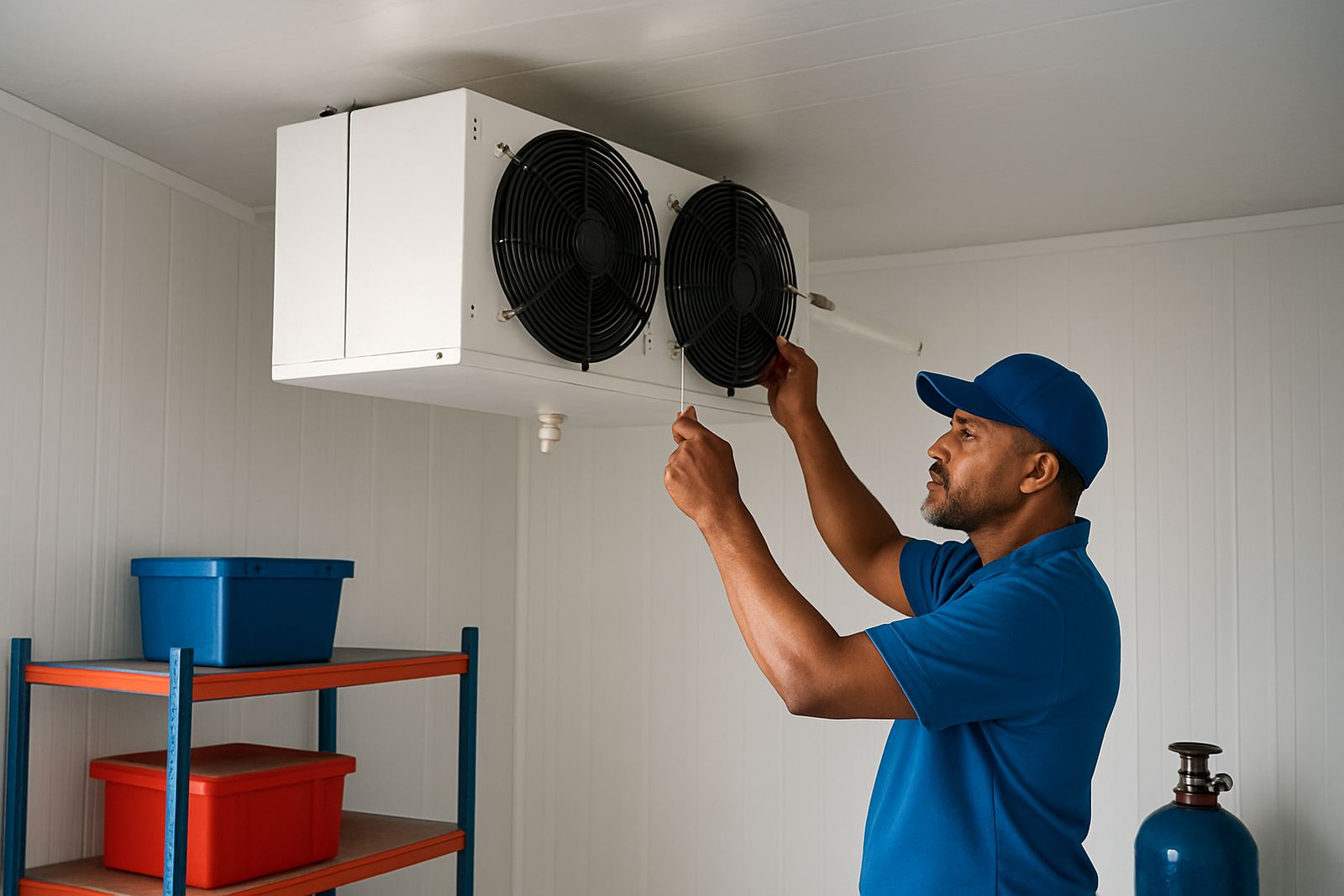
The evaporator is the part of the refrigeration system mounted inside the cold room. It draws warm air across the coil, removes heat, and pushes cooled air back into the room. That keeps products stable, whether you are storing meat, dairy, prepared food, flowers, or drinks. In Durban’s humidity, the unit also helps manage moisture so the room does not sweat too much or build up frost in the wrong places.
For operators in Clairwood, Durban Central, South Durban and the wider eThekwini area, the right evaporator makes a practical difference. If the unit is too small, the room runs long hours and pulls more power. If it is too large or badly placed, you get uneven cooling, dry spots, and patchy temperatures near the door. Good sizing and correct fan throw matter just as much as the compressor side of the system.
We work on evaporator units for small walk-in rooms as well as larger commercial cold stores. The aim is simple: keep the room at target temperature, reduce running faults, and make cleaning and servicing easier for the team on site.
Sizes, coil options and fan layouts
Cold room evaporators come in different capacities, coil face sizes, and fan arrangements. The right choice depends on room volume, insulation quality, door opening frequency, product load, and the target room temperature. A room that is opened every few minutes needs a different setup from a store that stays shut for long periods.
Common options include:
- Single fan, twin fan, or multi fan units for small to medium rooms
- Low-temperature coils for frozen goods and higher airflow units for chilled storage
- Ceiling mount or wall mount layouts depending on room shape
- Electric defrost or off-cycle defrost, selected for the duty cycle
- Coated coils for areas exposed to humidity and coastal air
As a guide, smaller rooms in retail and kitchen use often need compact units with tighter airflow control, while larger stores may need broader coil face area and stronger fan delivery. We can match the evaporator to the refrigeration plant already in place, or help spec the complete setup where new equipment is being installed. On some sites, a slight change in fan angle or coil placement solves nuisance icing better than replacing major parts.
Where this unit suits best in Durban businesses
This product suits any space that must hold a controlled temperature and keep staff access practical. In Durban, that usually includes food preparation areas, trading rooms, storage back rooms, and distribution points where stock moves in and out throughout the day. The unit is also useful where load shedding has made temperature recovery more important after power interruptions.
Typical applications include:
- Butcheries and meat prep rooms
- Bakeries, kitchens and deli stores
- Bottle stores and beverage holding rooms
- Florists and produce storage rooms
- Commercial back-of-house cooling spaces
For coastal sites and busy urban premises, corrosion resistance is worth paying attention to. Salt air, cleaning chemicals and constant door use can shorten the life of poor quality fittings. We often recommend checking drain routes, ceiling support, wall clearance and service access before the unit is fixed in place, because moving a cold room evaporator later is more costly than getting it right first time.
Installation details and power or gas requirements
A proper install starts with room size, insulation thickness, temperature target and product load. The evaporator must be mounted level, secured to a suitable structure, and positioned so air can circulate cleanly around the room. The drain line must fall correctly so melt water leaves the unit and does not drip back into the room or onto the floor.
Power supply usually depends on the fan motors, defrost method and control gear. Most sites need a dedicated electrical feed with correct protection, isolator placement and control wiring to suit the refrigeration system. If the unit uses electric defrost, allow for the extra load during defrost cycles. On properties with unstable supply, it is wise to plan for restart delays and proper control settings after outages.
The evaporator itself is not charged with gas in the same way as a split aircon system, but it does rely on the correct refrigerant type, expansion device and pipe sizing within the full system. If the gas charge is wrong, the unit may ice up, short cycle, or fail to pull temperature down properly. We check for leak risk, oil return, suction line insulation, and matching of the indoor coil to the outdoor or plant-side equipment.
How to keep the evaporator clean and reliable
Cold room evaporators need regular cleaning and inspection. Dust, grease and airborne particles block airflow, while poor hygiene around the fins can lead to smells and uneven cooling. In food environments, a dirty coil can turn into a recurring fault if it is left too long between services. It is one of those jobs that looks small untill the room starts struggling.
Good care should include:
- Cleaning the coil and fan guards on a planned schedule
- Checking drain pans and drain lines for blockages
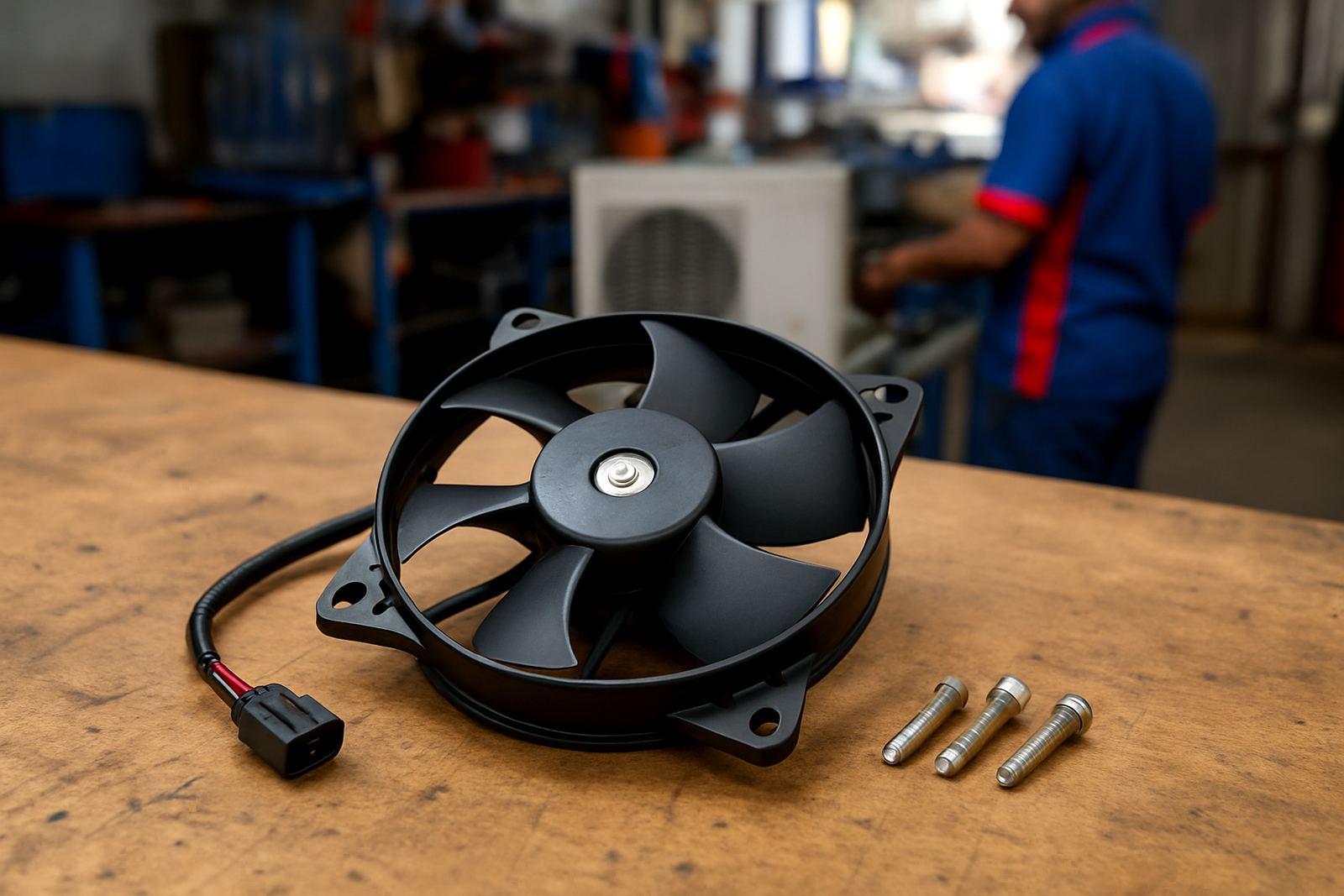
- Inspecting fan motors, capacitors and contactors
- Testing defrost operation and thermostat response
- Looking for ice build-up, oil stains or signs of a gas leak
We offer breakdown call-outs, planned maintenance, deep clean service and fault finding for cold room units across greater eThekwini. If a room is frosting, not holding temperature, or tripping after load shedding, the problem may be as simple as a blocked drain or as serious as a failing compressor circuit. Early checks usually save stock and time.
What to check before you order a unit
Before ordering, measure the room and confirm exactly what the evaporator must do. A supplier needs more than the room length and width. Product type, door openings, target temperature, insulation condition and ambient heat all affect the selection. A room in South Durban that opens every few minutes will not behave the same as a store room in West Durban that stays closed most of the day.
Have these details ready:
- Room dimensions in metres and ceiling height
- Chilled or frozen application, plus target temperature
- Door size and how often it opens
- Current refrigeration gas type and equipment details
- Available power supply and any defrost preference
If you are replacing an older evaporator, bring the model details, photos of the installation area, and any fault history. That helps us match the coil capacity, fan configuration and control arrangement without guesswork. For new rooms, we can help with the practical bits too, such as service clearance, maintenance access, and where the drain line should run so the setup is easy to live with.
Support for sites across Clairwood and eThekwini
Aircon Depot is based in Clairwood, Durban, and has supported domestic and commercial air-conditioning and refrigeration work since 2008. For cold room evaporator supply, installation and repair, we assist customers in Clairwood, Durban Central, South Durban, North Durban, West Durban and the greater eThekwini area. Our team handles installs, spares, gas checks and breakdown work, with practical attention to local site conditions and municipal access requirements where needed.
Whether you need a replacement evaporator, a service on an existing unit, or help checking why a room is not pulling down properly, we can assess the setup and advise on the next step. For businesses that depend on cold storage every day, that support matters because delays cost money and stock. A proper check now is usually cheaper than a spoiled load later.
Key facts
| Product type | Cold room evaporator unit for chilled or frozen rooms |
|---|---|
| Mounting | Ceiling mount or wall mount, subject to room layout |
| Typical fan options | Single fan, twin fan or multi fan configurations |
| Defrost | Electric defrost or off-cycle defrost depending on duty |
| Applications | Butcheries, kitchens, bottle stores, bakeries and back-of-house rooms |
| Service support | Fault finding, regas and leak check, breakdown call-outs and maintenance |