What our fault finding service covers
Fault finding is the first step when an air conditioner starts behaving badly. The unit may switch on but blow warm air, ice up, trip the mains, make a grinding noise, or stop responding to the remote or wall controller. We test the system properly so you know whether the issue is electrical, mechanical, gas related, or caused by airflow and drainage problems.
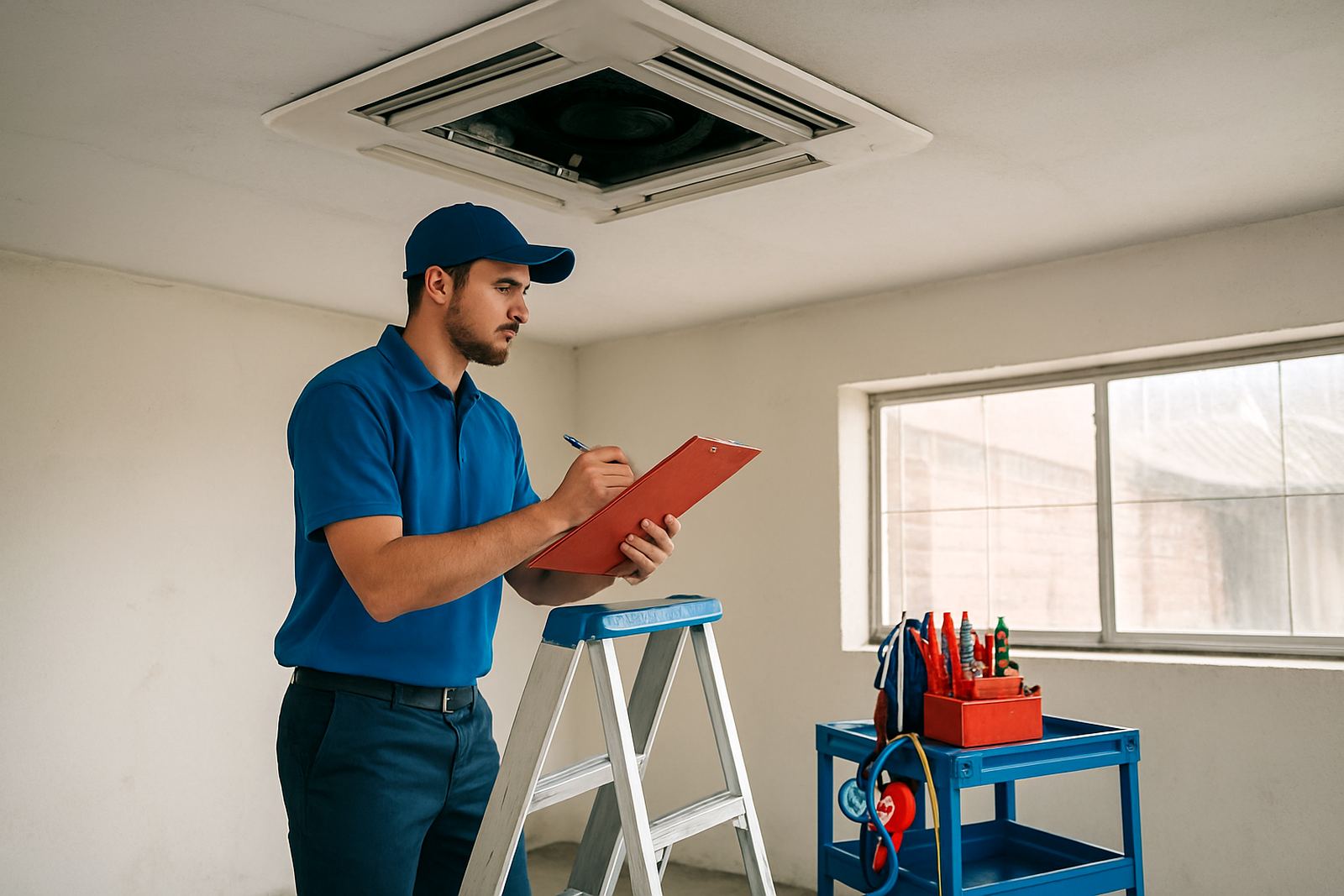
Our team works on domestic split units, cassette systems, underceiling units and larger commercial installs. We check the full operating cycle, from power supply to sensors, fan speed, pressures and drainage. In Durban, especially near the coast, salt air and humidity can corrode contacts and block drains quicker than people expect, so we look beyond the obvious symptom.
- Cooling and heating performance checks
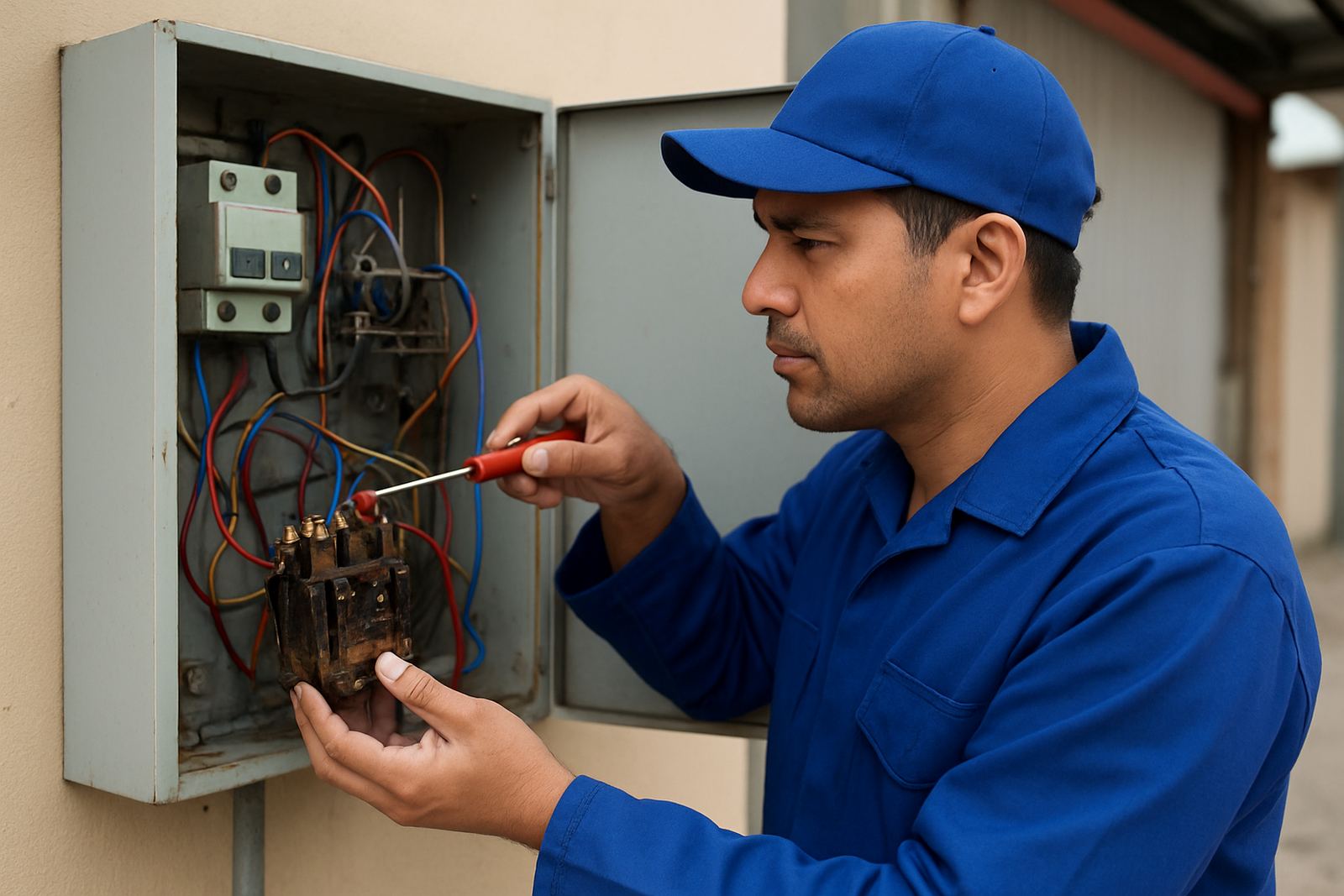
- Electrical checks on breakers, wiring, contactors and capacitors
- Fan, compressor and control board diagnosis
- Leak indicators, gas pressure and icing inspection
- Drain and condensate flow testing
How we diagnose the fault step by step
We start with the symptom you noticed, then work through the machine in a logical order. That usually gives a cleaner answer than guessing and replacing parts one by one. We test the supply voltage, confirm the unit is receiving the correct signal, inspect filters and coils, and listen for abnormal noise from the indoor and outdoor sections. If the unit has been tripping, we isolate whether it is the aircon, the isolator, or another load on the circuit.
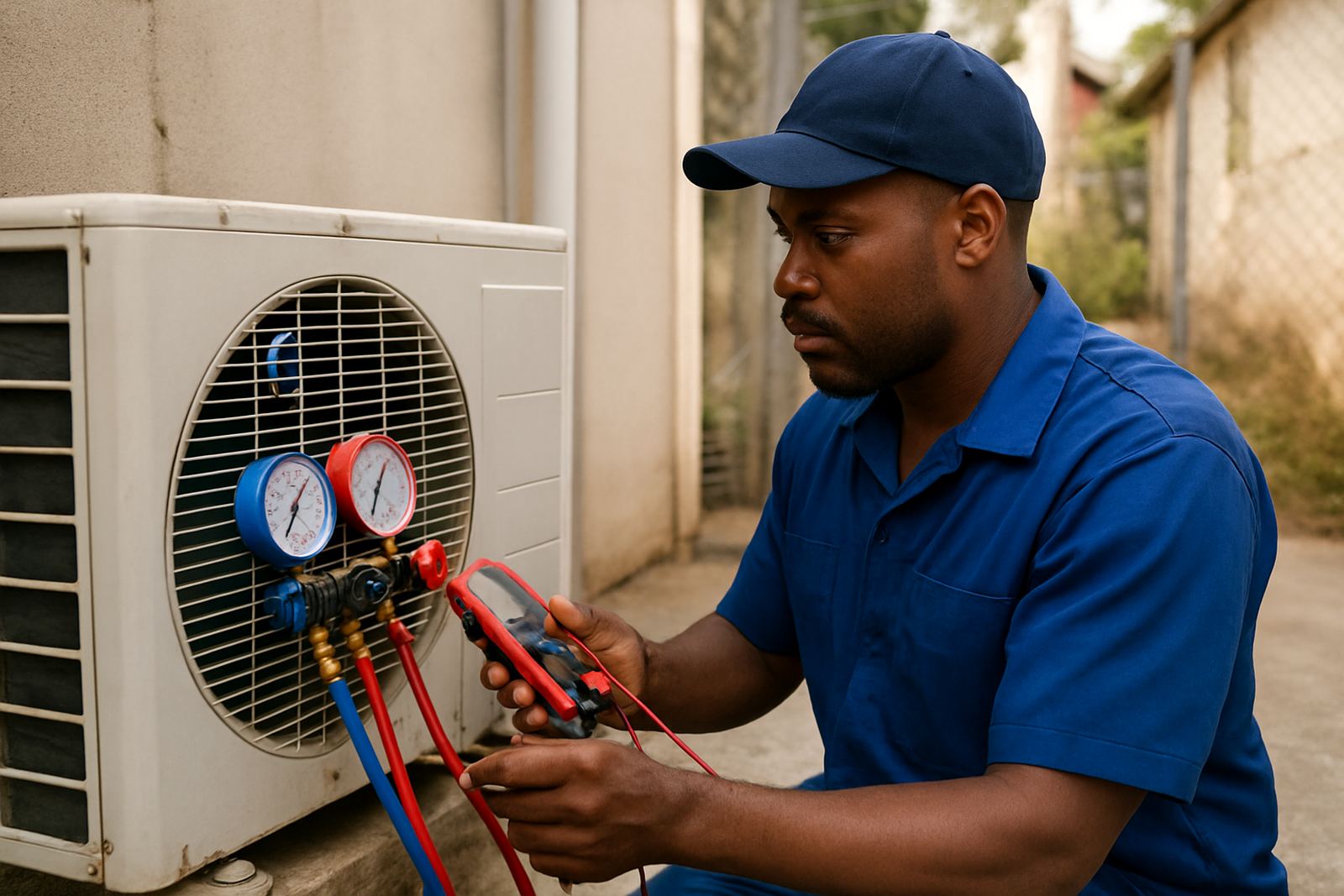
Where needed, we carry pressure readings, temperature differential checks and sensor readings. If the system is short of gas, we first confirm the leak rather than simply topping up. A proper fault report helps you decide whether a repair is worth doing now or whether planned maintenance will prevent the same problem returning in two or three months.
- Initial symptom review and site inspection
- Electrical and mechanical testing
- Pressure and temperature measurements
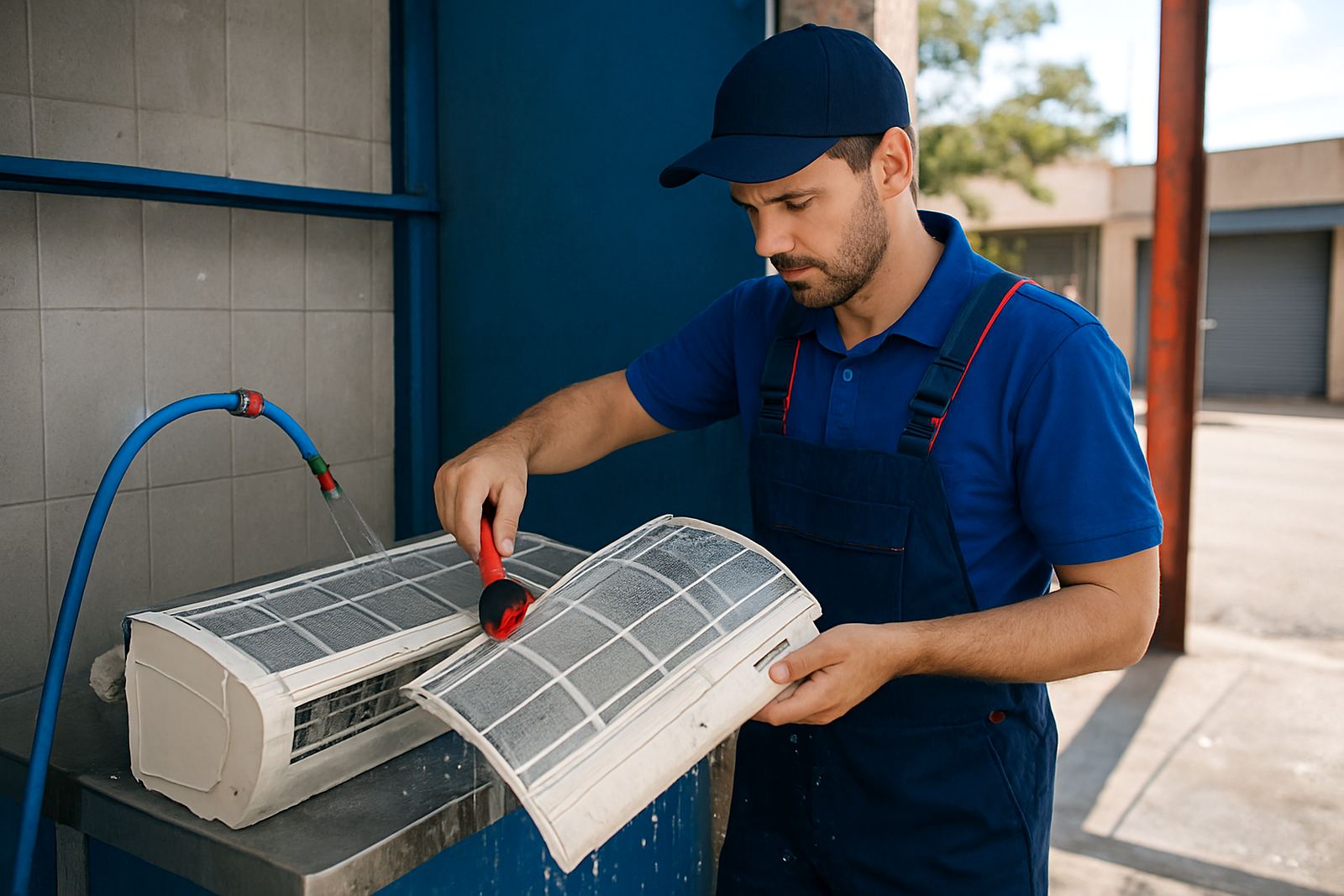
- Drain and airflow checks
- Fault explanation with repair options
Common symptoms we see in Durban homes and businesses
Some faults are simple, but they often point to a bigger issue. A unit that only cools for a short while may have a blocked coil, dirty filter or low gas charge. A unit that makes a rattling sound might have a worn fan motor, loose bracket, damaged blade, or a failing compressor mount. If the machine trips at startup, the capacitor or contactor is often involved, although water ingress and cable damage must also be ruled out.
In commercial spaces, we often find that repeated faults come from poor maintenance rather than a single broken part. Dust from workshops, grease in kitchens, or blocked return air paths can put extra strain on the system. Durban’s summer humidity also makes drain blockages more common, which can cause leaks onto ceilings, walls or shop floors.
- Poor cooling or uneven temperature
- Unit trips breaker or runs then stops
- Water dripping from indoor unit
- Unusual buzzing, grinding or clicking
- Remote not changing settings correctly
Turnaround times and when we can attend
For most residential fault finding jobs in Clairwood, South Durban and Durban Central, we aim to attend as soon as scheduling allows, often within the same day or next working day depending on call volume. Commercial work is scheduled around site access, trading hours and any safety requirements at the premises. If your site needs after-hours attendance, we can plan that as part of the booking.
Once on site, a standard diagnostic call usually takes 30 to 90 minutes, depending on access, the type of unit and whether the fault is straightforward or intermittent. Some faults only show up under load or after the unit has run for a while, so we may need to observe the system through a full cycle. If parts are required, we explain lead times clearly before any further work is approved.
In peak summer, please expect longer response times because breakdowns rise quickly across greater eThekwini. A booked inspection is still better than waiting for a complete failure. It gives you a plan instead of a surprise.
Pricing approach and what affects the cost
We keep pricing practical and itemised. Fault finding is usually charged as a call-out or diagnostic visit, then any repair is quoted separately once the fault has been confirmed. That way you know what the inspection covers and what the next step will cost before work continues. If the issue is minor, such as a loose connection or blocked drain, the repair may be handled on the same visit.
The final price depends on the type of unit, access to the indoor and outdoor sections, the time needed to test the system, and whether a replacement part is needed. Outdoor units on high walls, roofs or tight courtyards may take longer to access. We also consider whether the system is domestic or commercial, and whether the fault is electrical, gas related or mechanical.
- Diagnostic visit or call-out fee
- Any parts needed after diagnosis
- Labour for repair and testing
- Access or lifting requirements where applicable
Maintenance intervals that reduce repeat faults
Good fault finding often shows up a maintenance issue before it becomes a breakdown. For homes, we usually recommend a service every 6 to 12 months, depending on dust levels, pets, coastal exposure and how many hours the unit runs each day. For businesses, especially offices, retail sites and light industrial spaces, a 3 to 6 month interval is often more sensible. Systems that run through load-shedding periods and then restart hard can also benefit from closer checks.
Regular maintenance helps prevent blocked drains, overheating compressors, dirty coils and worn electrical components. It also gives us a chance to catch early signs of failure, such as a weak capacitor, loose contactor or sensor drift, before it shuts the system down. That means fewer emergency call-outs and better day-to-day performance.
If your unit has had repeated issues, we can advise whether planned maintenance, a deeper clean, or a part replacement will give better value than chasing the same fault again. For many Durban clients, that is the difference between an aircon that limps along and one that works properly through summer.
Key facts
| Service area | Clairwood, Durban Central, South Durban, North Durban, West Durban and greater eThekwini |
|---|---|
| Unit types | Split systems, cassette units, underceiling units and light commercial systems |
| Faults diagnosed | Poor cooling, tripping, strange noises, leaks, control failures and airflow issues |
| Typical visit time | 30 to 90 minutes on site, depending on access and test requirements |
| Maintenance interval | 6 to 12 months for homes, 3 to 6 months for businesses |
| Base location | AIRCON DEPOT, Archary Rd, Clairwood, Durban |