Guesthouse brief for quieter overnight comfort
The client was a small guesthouse in Westville, Durban, with guest rooms that were getting warm and stuffy during summer, especially when the afternoon humidity sat in and the rooms held heat into the night. The owners wanted air-conditioning that would cool fast, run quietly, and suit overnight use without disturbing guests.
The brief was straightforward but specific: install separate split units in multiple bedrooms, keep outdoor noise low, and make sure the pipe runs and drain points were neat enough for a hospitality setting. The building was already in use, so the work had to be done room by room and with as little disruption as possible.
- Project type: guesthouse room cooling
- Town: Westville, Durban
- System type: wall-mounted split units
- Use case: overnight guest comfort
- Priority: quiet operation and low maintenance
Site constraints we had to work around
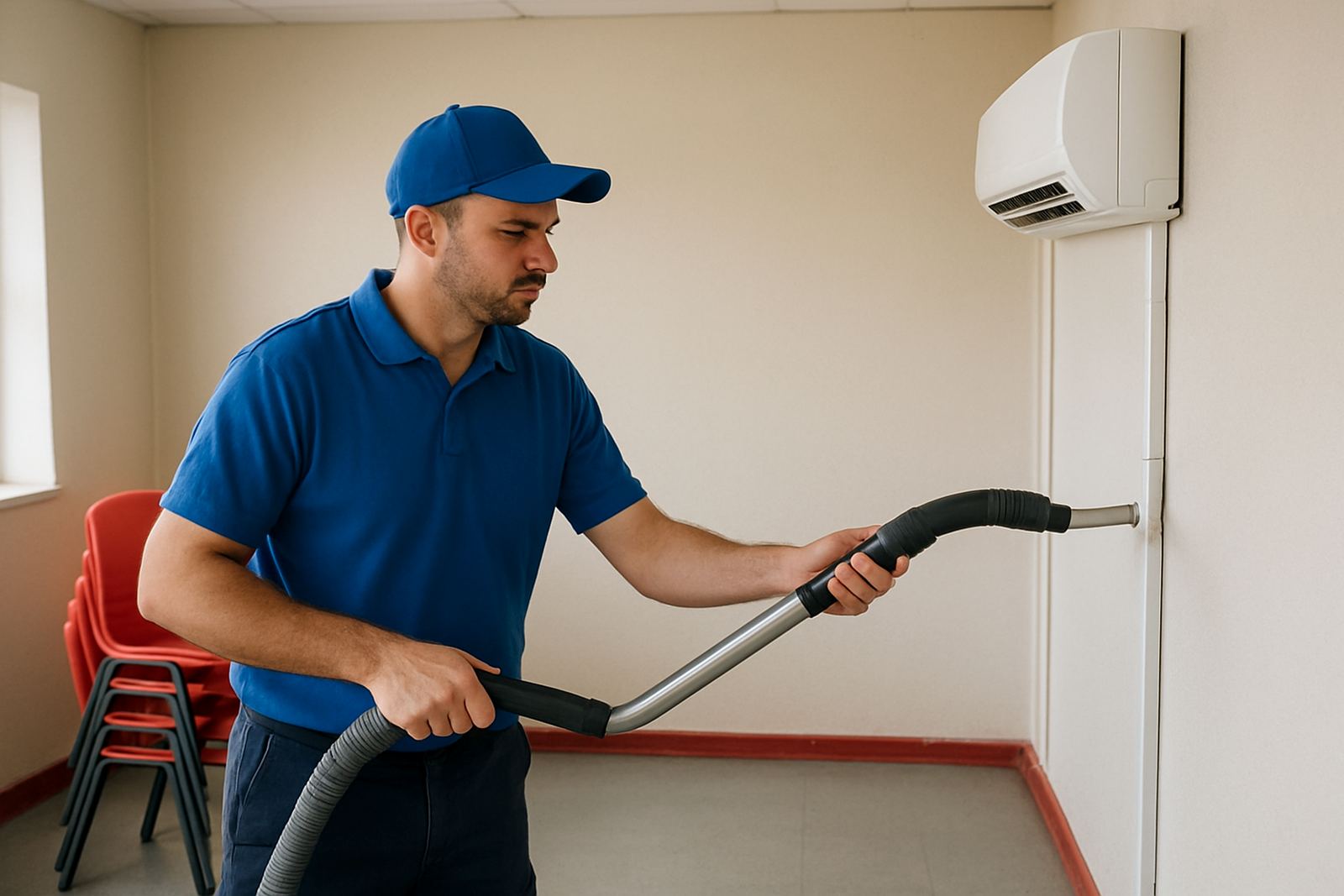
The building layout and the day-to-day guest flow shaped the install more than anything else. Some rooms had solid brick walls and limited outside access, while others had shorter routes to the external wall. We also had to keep the rooms tidy and avoid dust spreading into the sleeping areas. That meant careful drilling, sealing and vacuuming after each room.
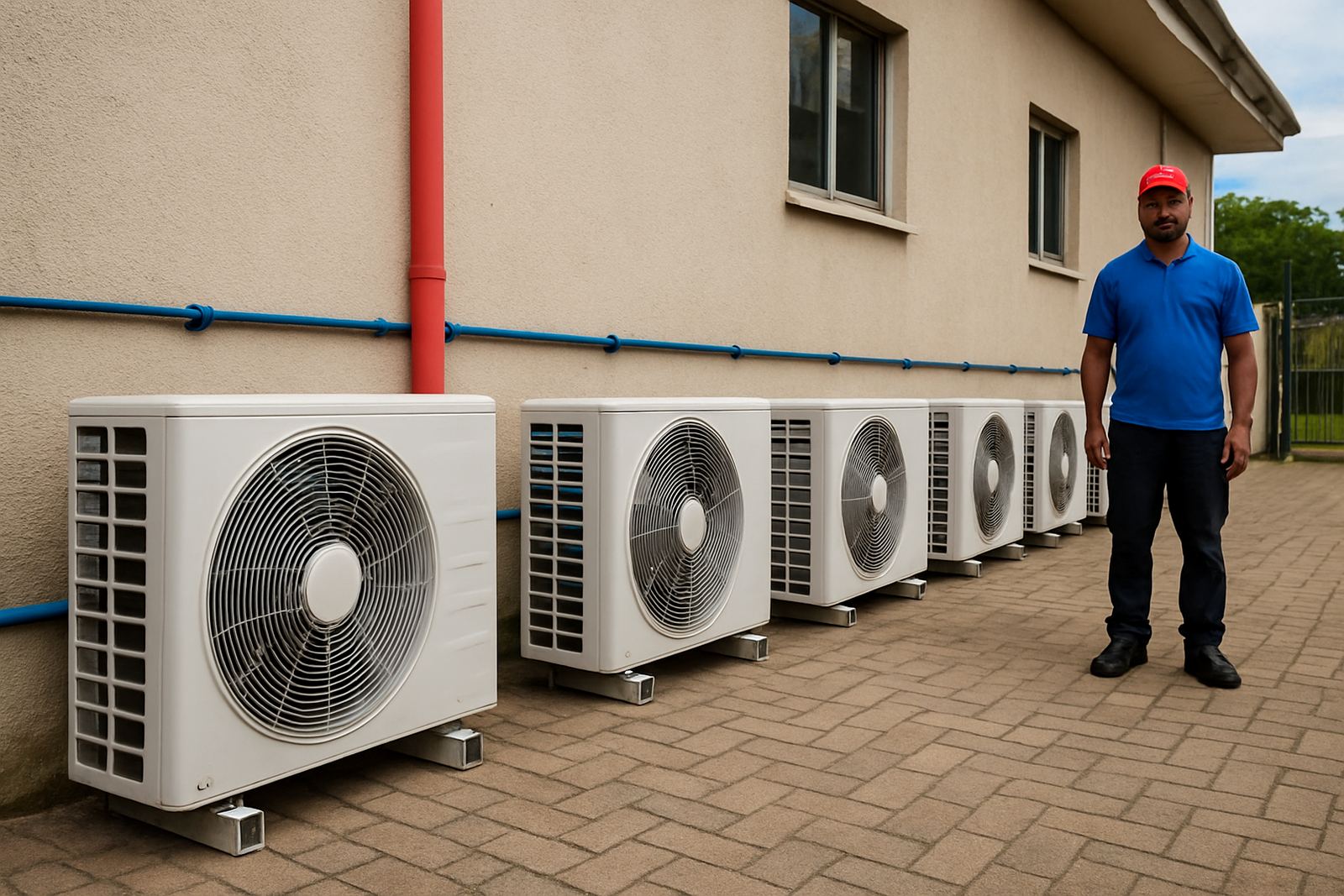
Durban’s coastal air brings extra corrosion risk, so the outdoor units and fixings had to be positioned with airflow and weather exposure in mind. We also checked for practical service access, because a unit that is easy to fit but hard to clean later becomes a headache. The guesthouse needed a system that could handle regular use and occasional load-shedding recovery without fuss.
- Limited access in occupied rooms
- Mixed wall conditions and pipe routes
- Need for neat drainage away from guest pathways
- Coastal humidity and corrosion exposure
- Service access for future cleaning and repairs
What we supplied and installed
We supplied multiple wall-mounted split systems sized for individual bedrooms, then installed each one with the correct indoor position for airflow across the bed area rather than directly onto the guest. Outdoor condensers were mounted in practical service positions with proper clearances for air intake and discharge.
Each room got the full installation set-up: copper pipework, insulated lines, condensate drainage, electrical connection, and commissioning. We also checked the unit settings so the guesthouse team could use the remotes without confusion. The focus was on simple, dependable cooling, not unnecessary features that make upkeep harder.
- Indoor wall-mounted split units for each bedroom
- Outdoor condenser placement with service clearance
- Insulated copper pipe runs and condensate drainage
- Electrical tie-in and start-up checks
- User handover for basic operation and care
Installation timeline and room-by-room approach
The work ran over two weeks, with the first week used for site measuring, unit allocation and confirming pipe routes. In the second week we completed the physical installation and commissioning room by room so the guesthouse could keep operating with minimal interruption. One room might be offline for a short period, then opened back up before the next one was started.
That approach kept the owners in control of bookings and reduced disruption for guests. It also gave us time to test each installation properly instead of rushing the lot in one go. Small touch ups were done after commissioning, including seal checks and drain fall adjustments where needed. The result was cleaner work and fewer call-backs.
- Week 1: site check, measuring, planning, materials
- Week 2: install, test, commission, handover
- Room-by-room sequencing to avoid downtime
- Final seal and drain checks after each unit
Cooling results for guests and owners
Once the rooms were running, the difference was immediate. Bedrooms cooled faster, stayed more comfortable through the evening, and did not carry the same sticky heat that often builds up in coastal Durban properties. Guests got quieter sleep and the owners had better control over room comfort without having to overrun the units.
The guesthouse also gained a cleaner way to manage maintenance. Filters can be reached for regular cleaning, condensate lines were set up to reduce blockages, and the layout makes future fault finding quicker. For hospitality use, that matters because one blocked drain or noisy fan can turn into a guest complaint very fast.
- Quieter overnight operation
- Faster cool-down in occupied rooms
- Better humidity control in summer
- Cleaner maintenance access
- Lower risk of nuisance dripping or water marks
What we would repeat on similar guesthouse work
If we were doing the same kind of job again, we would follow the same pattern: size each room correctly, keep the outdoor units accessible, and plan the drain routes before drilling starts. That saves time and avoids avoidable rework. It also helps in Durban, where humidity, salt air and summer usage all put extra pressure on systems.
For guesthouse projects, we find that the best results come from practical decisions rather than overcomplication. Quiet units, sensible placement, and proper aftercare are what matter. A small issue like a poor drain fall or a cramped service gap can become a bigger cost later, so those details are worth getting right first time.
- Confirm room sizes before selecting unit capacity
- Keep service access open from day one
- Plan for coastal wear and regular cleaning
- Allow for municipal and building access rules where needed
- Brief the client on filter care and seasonal use
Key facts
| Project location | Westville, Durban |
|---|---|
| Client type | Guesthouse |
| Scope | Multiple bedroom split units |
| Timeline | 2 weeks |
| Main outcome | Quieter overnight cooling |
| Service focus | Supply, install and handover |